When you are navigating the challenges of a restricted diet, finding soft foods that actually excite the palate can feel like an impossible task. Whether you are recovering from dental work or simply seeking a comforting, nutrient-dense meal, this vibrant roasted butternut squash soup is the answer. It combines the deep, caramelized notes of oven-roasted squash with a velvety texture that feels incredibly luxurious.
The visual appeal of this dish is just as important as its flavor profile. Imagine a vibrant, golden-orange purée served in a rustic ceramic bowl, topped with a delicate, snowy-white swirl of coconut cream. A final sprinkle of finely chopped fresh chives adds a necessary pop of green and a mild onion-like bite that cuts through the richness. Every spoonful is designed to be gentle on the mouth while providing maximum satisfaction.
In this guide, we will explore the culinary science behind achieving that perfect, lump-free consistency. We will also dive into why roasting your vegetables—rather than boiling them—is the secret to a professional-grade soup. Let’s transform the way you think about recovery meals and elevate your repertoire of soothing dishes.

Why This Silky Squash Purée is the Gold Standard for Recovery
- Velvety Texture: By using a high-speed blender and a touch of healthy fats, we achieve a mouthfeel that is completely smooth, making it one of the best soft foods for sensitive palates.
- Nutrient-Dense Profile: Butternut squash is packed with Vitamin A, Vitamin C, and potassium, which are essential for supporting the body’s healing processes.
- Caramelized Depth: Roasting the squash at high heat triggers the Maillard reaction, developing a natural sweetness that you simply cannot get from steaming.
- Aesthetic Elegance: The contrast of the rustic ceramic bowl against a soft linen tablecloth creates a cozy, inviting atmosphere that makes healing feel like a spa experience.
The Anatomy of Flavor: Essential Ingredients for a Rich Soup
1 Large Butternut Squash (approx. 2.5 lbs / 1.1kg): This is the star of the show. We look for a squash with a matte skin and a heavy feel, ensuring it is packed with dense, sweet flesh that roasts beautifully.
2 tbsp (30ml) Extra Virgin Olive Oil: This foundational fat is necessary for the roasting process. It helps conduct heat and prevents the squash from drying out in the oven while adding a subtle fruitiness.
1 tsp (5g) Sea Salt and ½ tsp (2.5g) Black Pepper: These are essential for seasoning from within. Salt brings out the natural sugars in the squash, while pepper adds a very gentle heat that lingers in the background.
1 Medium Yellow Onion (150g), finely diced: Sautéing onions creates an aromatic base. They provide a savory backbone that prevents the soup from being overly sweet.
3 Cloves (15g) Garlic, minced: Garlic adds a pungent, earthy depth. When sautéed until just fragrant, it infuses the entire soup with a warm, comforting aroma.
4 cups (960ml) Low-Sodium Vegetable Broth: The liquid base determines the final consistency. Using a high-quality broth adds layers of flavor that water simply cannot provide.
½ cup (120ml) Full-Fat Coconut Milk (canned): This provides the “velvety smooth texture” described in our visual blueprint. We use a portion for the soup body and a portion for that iconic swirl.
1 tbsp (15g) Fresh Chives, finely chopped: These are the “pop of green” that completes the dish visually. Their mild allium flavor balances the creamy coconut and sweet squash.
Tools Required for Professional Culinary Results
To achieve the “vibrant, creamy” look captured in professional food photography, the right tools are non-negotiable. You will need a heavy-duty rimmed baking sheet for roasting the squash, which ensures even heat distribution and prevents juices from spilling.
A high-speed immersion blender or a traditional upright blender is the most critical piece of equipment. To get that perfectly smooth, air-light consistency required for a soft foods diet, a standard food processor often won’t suffice. Finally, a rustic ceramic bowl and a textured linen tablecloth will help you recreate the cozy, appetizing scene described in our visual prompt.

The Science of Roasting: Step-by-Step Instructions
Phase 1: Preparing and Roasting the Squash
Preheat your oven to 400°F (200°C). Peel the butternut squash using a sharp Y-peeler, then slice it in half lengthwise and scoop out the seeds. Cut the flesh into uniform 1-inch (2.5cm) cubes to ensure they cook at the same rate.
Toss the cubes on your baking sheet with the olive oil, sea salt, and black pepper. Spread them in a single layer; crowding the pan will cause the squash to steam rather than roast. Roast for 25-30 minutes, or until you see the edges turn a “vibrant, deep golden-brown.” This color change indicates caramelization, which is the key to a complex flavor.
Phase 2: Building the Aromatic Base
While the squash roasts, place a large pot or Dutch oven over medium heat. Add a splash of oil and the diced onions. Sauté for 5-7 minutes until the onions are translucent and soft, but not browned. Add the minced garlic and cook for another 60 seconds until the kitchen smells intensely fragrant.
Carefully add the roasted squash cubes into the pot. Pour in the vegetable broth, ensuring the liquid just covers the vegetables. Bring the mixture to a gentle boil, then reduce the heat and simmer for 10 minutes to allow the flavors to meld together.
Phase 3: Achieving the Velvety Purée
Remove the pot from the heat. If using a stand blender, work in batches, filling the jar only halfway to prevent pressure buildup. Blend on high speed until the soup is completely smooth. If using an immersion blender, move the wand in a circular motion, ensuring you catch every stray piece of squash.
Stir in half of the coconut milk. Taste the soup—if it feels too thick, add a splash more broth. The goal is a “velvety smooth” consistency that coats the back of a spoon without being heavy or gloopy.
Phase 4: The Art of the Garnish
Ladle the hot soup into a rustic ceramic bowl. To create the delicate coconut cream swirl, take a small spoon of the remaining coconut milk and gently drizzle it in a circular motion over the surface. Use a toothpick to drag through the circle for a marbled effect.
Finish with a generous sprinkle of the finely chopped fresh chives. The “pop of green” against the vibrant orange soup creates an immediately appetizing visual that mimics professional food photography. Place the bowl on a linen tablecloth and serve immediately while the steam is still rising.
Expert Tips for the Ultimate Smooth Soup
- Strain for Perfection: If you want an ultra-fine, restaurant-quality texture, pour the blended soup through a fine-mesh sieve before serving. This removes any tiny fibers from the squash.
- Balance with Acid: If the soup tastes a bit flat, add a teaspoon of apple cider vinegar or lemon juice. The acid brightens the sweetness of the squash.
- Coconut Milk Temperature: Ensure your coconut milk is well-shaken and at room temperature before swirling. If it’s too cold, it will clump rather than flow smoothly.
- Roast the Garlic: For a mellower flavor, roast the garlic cloves whole (in their skin) alongside the squash, then squeeze the soft paste into the blender.
Preserving Your Masterpiece: Storage and Reheating
This soup is an excellent candidate for meal prep, especially if you are on a long-term diet of soft foods. Store leftovers in an airtight container in the refrigerator for up to 4 days. The flavors often deepen and improve after a night in the fridge.
When reheating, do so over low heat on the stovetop, stirring frequently to prevent scorching. Avoid boiling the soup once the coconut milk has been added, as this can cause the fats to separate. You can also freeze this soup (without the garnish) for up to 3 months. Simply thaw overnight in the refrigerator before reheating.
What to Pair With This Soothing Bowl
While this soup is a complete meal on its own, you might want to pair it with other items from our comprehensive soft foods list. For those who can handle a bit more texture, a side of decadent baked mac and cheese provides a lovely cheesy contrast to the sweetness of the squash.
If you are making this for a family dinner where not everyone is on a restricted diet, serve it alongside our ultimate french onion chicken orzo or a portion of creamy marry me chicken. These savory, sauce-heavy dishes complement the autumnal flavors of the butternut squash perfectly.
Frequently Asked Questions
Absolutely. If you don’t require a vegan or dairy-free option, heavy cream or half-and-half can be used as a 1:1 substitute for a similarly rich and creamy texture.
Yes, you can use frozen squash. However, for the best ‘roasted’ flavor, ensure the frozen cubes are completely thawed and patted dry before roasting to allow for proper caramelization.
After blending the soup, pass it through a fine-mesh strainer or chinois. This will remove any remaining squash fibers or tiny air bubbles, resulting in a perfectly liquid-smooth consistency.
Yes, this is an excellent choice for wisdom teeth recovery. Just ensure the soup is served at room temperature or lukewarm, and make sure the chives are very finely minced to avoid irritation.
Roasting squash at high heat browns the natural sugars, creating a complex, nutty flavor that boiling simply cannot achieve. It results in a much deeper, more appetizing soup.
Creamy Roasted Butternut Squash Soup Recipe
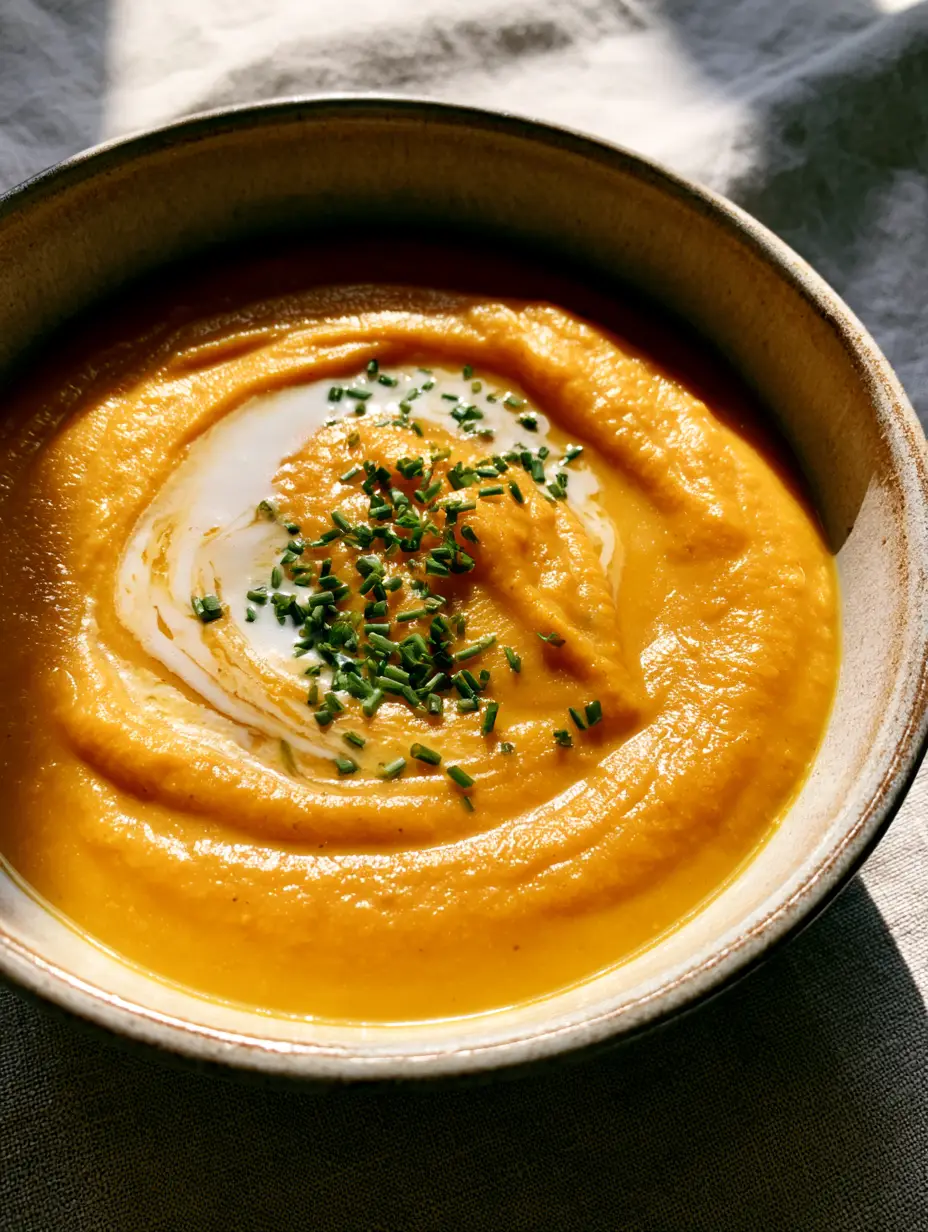
Soft foods for recovery: The Ultimate Creamy Roasted Butternut Squash Soup
Ingredients
Equipment
Method
- Preheat oven to 400°F (200°C).
- Toss 1-inch squash cubes with olive oil, salt, and pepper on a rimmed baking sheet.
- Roast for 25-30 minutes until squash is vibrant and edges are deep golden-brown.
- In a large pot, sauté onions until translucent, then add garlic and cook for 1 minute.
- Add roasted squash and vegetable broth. Simmer for 10 minutes.
- Purée the soup in a blender until velvety smooth. Stir in half of the coconut milk.
- Ladle into bowls, swirl with remaining coconut milk, and top with fresh chives.
Notes
The coconut milk swirl is best achieved when the milk is at room temperature.

Conclusion: The Ultimate Comfort in a Bowl
Choosing the right soft foods doesn’t mean you have to sacrifice flavor or presentation. This roasted butternut squash soup is a testament to how simple, high-quality ingredients can be transformed into a culinary work of art. The combination of caramelized squash, creamy coconut, and fresh chives offers a sensory experience that is both healing and indulgent.
We hope this recipe brings a bit of warmth and comfort to your kitchen. If you enjoyed this guide, please leave a comment below and let us know how your soup turned out! Don’t forget to share your photos and tag us, or save this recipe to your favorite boards on Pinterest for future recovery days.