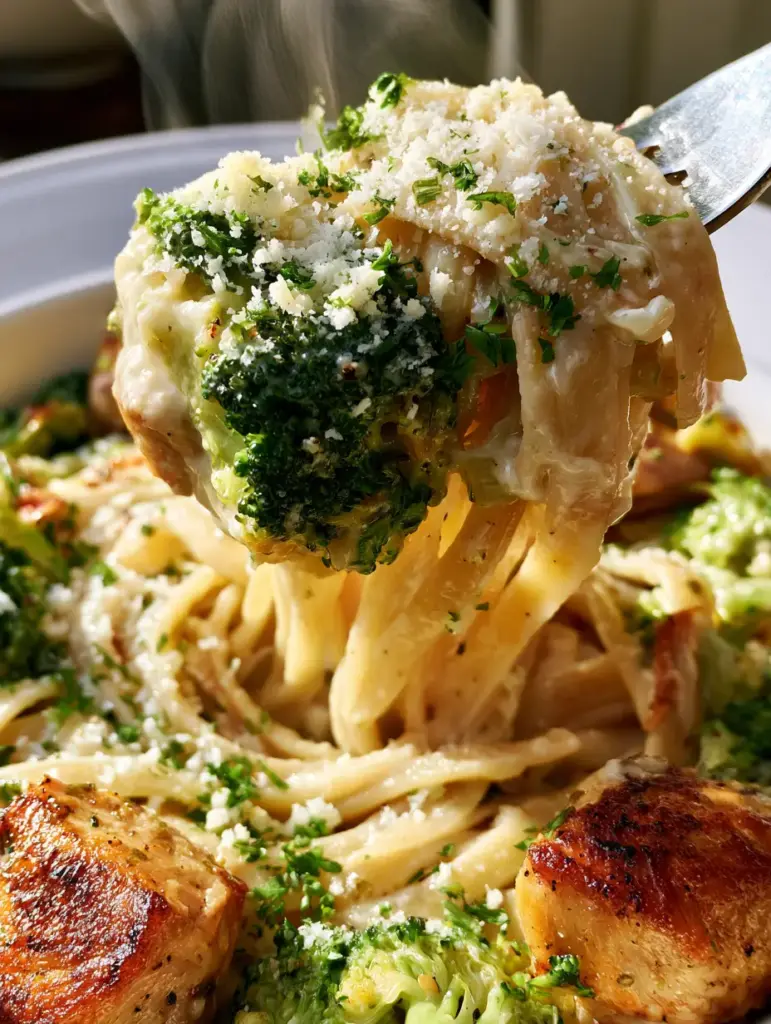
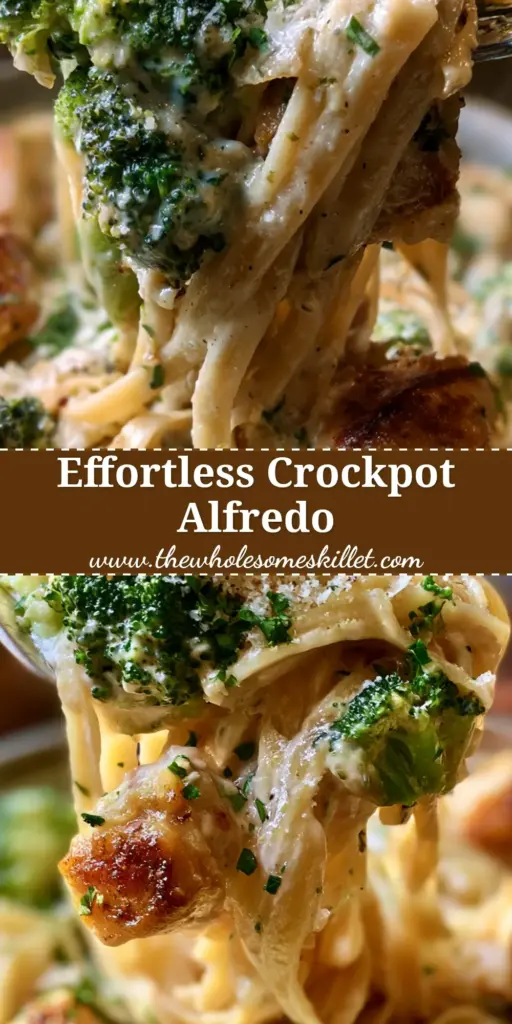
There is nothing quite like the sight of a fork lifting a mountain of chicken alfredo, the steam rising in gentle curls as the velvety sauce glisten under the light. This recipe is designed to bridge the gap between high-end Italian-American trattorias and your home kitchen, delivering a dish that looks as professional as a high-definition photograph. By focusing on the textural contrast between golden-brown seared chicken chunks and crisp, vibrant green broccoli florets, we create a visual and culinary masterpiece.
The secret to a world-class chicken alfredo lies in the emulsion of the sauce and the timing of the vegetables. We are moving away from the heavy, clumping sauces of the past and embracing a rich, fluid creaminess that coats every strand of fettuccine perfectly. Whether you are looking for a weeknight comfort meal or a show-stopping weekend dinner, this guide will walk you through the sensory cues—the sizzle of the pan, the aroma of toasted garlic, and the visual pop of fresh parsley—that define success.
If you enjoy the convenience of set-it-and-forget-it meals, you might also love our effortless slow cooker chicken alfredo, but for those who crave the texture of a hard sear and fresh-blanched greens, this stovetop method is the gold standard.
Why This Creamy Pasta Dish Stands Out
- Structural Integrity: By searing the chicken separately, we ensure a golden-brown crust that remains firm against the velvety sauce.
- Vibrant Color Contrast: The broccoli is blanched to a precise “electric green” that cuts through the white and gold palette of the pasta.
- Professional Emulsion: We use high-fat heavy cream and freshly grated Parmesan to prevent the sauce from breaking or becoming oily.
- Sensory Richness: Every bite offers the snap of broccoli, the tender chew of fettuccine, and the savory depth of seared poultry.
The Essential Flavor Foundations
Fettuccine Pasta: 1 lb (450g). The wide, flat surface area of fettuccine is scientifically ideal for “carrying” the weight of a heavy cream sauce. Use a high-quality bronze-die extruded pasta if possible for a rougher texture that grips the Alfredo.
Chicken Breast: 1.5 lbs (680g). We use boneless, skinless breasts cut into 1-inch (2.5cm) chunks to maximize surface area for searing. This ensures every piece has a savory, golden-brown exterior while remaining juicy inside.
Broccoli Florets: 2 cups (180g). These provide the necessary fibrous crunch and “vibrant green” visual mentioned in our blueprint. Cutting them into bite-sized pieces ensures they distribute evenly throughout the pasta.
Heavy Cream: 2 cups (480ml). This is the liquid gold of the chicken alfredo. Its high fat content allows it to reduce into a thick, glistening coating without the need for flour-based thickeners.
Unsalted Butter: 1/2 cup (115g). Butter provides the foundational fat for sautéing garlic and adds a nutty, silken finish to the final emulsion. We use unsalted to maintain total control over the seasoning profile.
Freshly Grated Parmesan: 1 cup (90g). Avoid the pre-shredded green cans; they contain cellulose that prevents a smooth melt. Freshly grated cheese dissolves into the cream, creating a cohesive, velvety sauce.
Garlic: 4 cloves. Minced finely, garlic provides the aromatic backbone that balances the richness of the dairy. It should be cooked until fragrant but never browned to avoid bitterness.
Fresh Parsley: 2 tbsp (8g). Finely chopped parsley is not just a garnish; it adds a hit of herbaceous freshness that cuts through the decadent fats of the dish.
Avocado Oil or Grapeseed Oil: 2 tbsp (30ml). You need a high-smoke point oil to achieve that “golden-brown seared” look on the chicken without burning the fat. Avoid extra virgin olive oil for the searing phase.
Kosher Salt and Cracked Black Pepper: To taste. Salt is the primary flavor enhancer, while black pepper adds a subtle heat that complements the nutmeg-like undertones of the cream.
Tools for Professional Results
To achieve the visual excellence seen in a professional food photo, you will need a large pasta pot for boiling, a heavy-bottomed stainless steel or cast iron skillet for searing, and a microplane for the cheese. The skillet is particularly important; a non-stick pan will not produce the same level of browning (fond) that adds depth to the chicken alfredo.
For a different take on these flavors, you might explore our spicy Cajun chicken alfredo stuffed jumbo shells which uses similar equipment but a very different structural approach.
Mastering the Perfect Golden Sear
Phase 1: Prepping the Components
Bring a large pot of heavily salted water to a boil. Use at least 1 tbsp (15g) of salt per 4 quarts (3.8L) of water. The pasta should taste seasoned from the inside out. While the water heats, pat your chicken chunks dry with paper towels—this is the most important step for a good sear. Moisture is the enemy of the golden-brown crust.
Phase 2: Achieving the Visual Sear
Heat your high-smoke point oil in the skillet over medium-high heat until it shimmers. Add the chicken in a single layer, ensuring they aren’t crowded. Listen for a loud, consistent sizzle. Let them sit undisturbed for 3-4 minutes until a deep, golden-brown crust forms. Flip and cook for another 2 minutes until just cooked through. Remove and set aside on a plate to catch any juices.
Phase 3: Blanching the Vibrant Broccoli
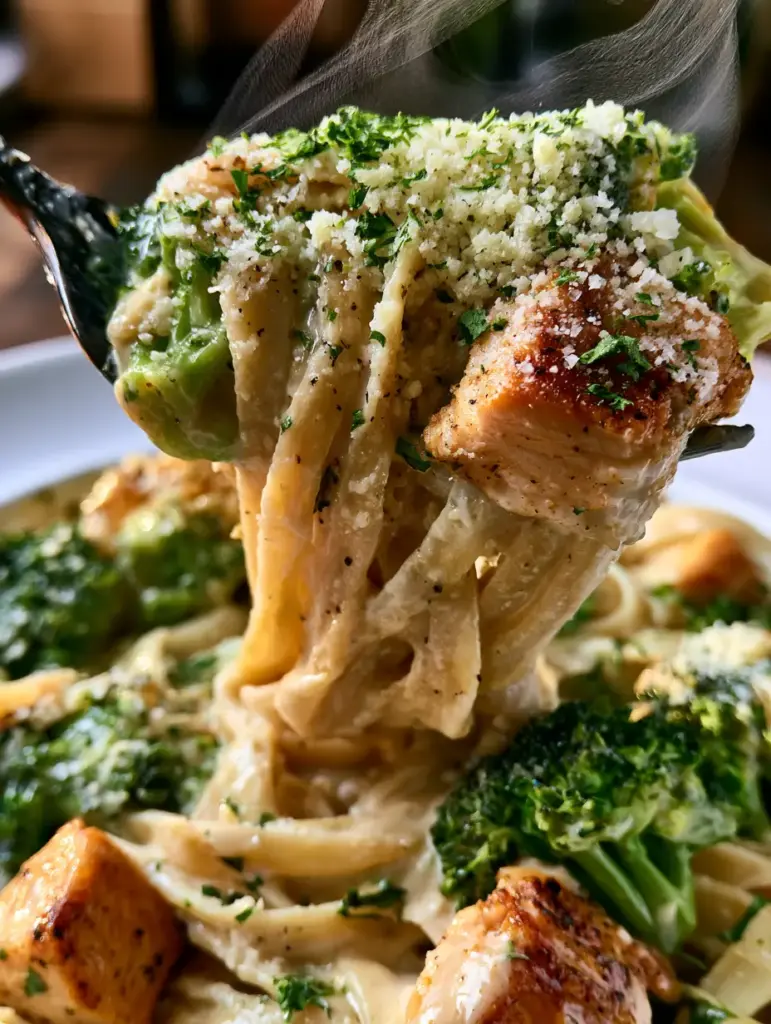
In the last 3 minutes of your pasta’s cooking time, drop the broccoli florets directly into the boiling pasta water. This “one-pot” blanching method ensures the broccoli stays vibrant green and tender-crisp. Drain the pasta and broccoli together, but reserve 1 cup (240ml) of starchy pasta water. This liquid is the secret to a professional sauce emulsion.
Phase 4: Building the Velvety Alfredo
In the same skillet used for the chicken, melt the butter over medium heat. Scrape up the brown bits (the fond) left by the chicken. Add the minced garlic and cook for 60 seconds until the aroma fills your kitchen. Pour in the heavy cream and bring to a gentle simmer. Let it reduce for 3-5 minutes until it starts to thicken slightly.
Phase 5: The Final Emulsion and Assembly
Turn the heat to low. Whisk in the grated Parmesan cheese a handful at a time until completely smooth. If the sauce looks too thick, add a splash of the reserved pasta water. Fold in the fettuccine, broccoli, and seared chicken. Toss vigorously to coat every strand. The pasta should look glistening and fluid, not dry or sticky.
Expert Tips for Success
- The Temperature Rule: Never boil the sauce after adding the Parmesan. High heat can cause the cheese proteins to clump, resulting in a grainy texture rather than a velvety one.
- Dry Your Chicken: I cannot stress this enough—wet chicken steams, dry chicken sears. Use paper towels generously.
- Pasta Water Magic: The starch in the reserved water acts as a bridge between the oily fats and the liquid cream, ensuring a stable sauce that doesn’t break on the plate.
- Visual Cues: Look for the sauce to coat the back of a spoon. If you can draw a line through the sauce on the spoon with your finger and the line stays clear, it is ready.
Preserving Your Masterpiece
This chicken alfredo is best served immediately while the steam is rising and the sauce is at its most fluid. However, if you have leftovers, store them in an airtight container for up to 3 days. When reheating, add a tablespoon of milk or water to the bowl to loosen the sauce, as the pasta will absorb moisture as it sits. Microwave at 50% power, stirring every 45 seconds to prevent the oils from separating.
We do not recommend freezing this dish, as the dairy-based sauce will likely break and become grainy upon thawing.
What to Serve with Creamy Pasta
To balance the heavy richness of the Alfredo sauce, pair this dish with a crisp, acidic side. A lemon-dressed arugula salad or roasted asparagus works beautifully. If you are looking for more chicken-based inspirations for your weekly meal plan, consider our parmesan-crusted chicken or the hearty creamy baked angel chicken casserole.
Frequently Asked Questions
Yes, but be sure to steam or boil it separately and drain it well so the excess water doesn’t thin out your creamy Alfredo sauce.
The secret is to pat the chicken completely dry with paper towels before seasoning and to use a heavy-bottomed pan with high-smoke point oil like avocado oil.
Reheat slowly in a pan over low heat, adding a splash of milk or water to restore the emulsion. Avoid high microwave settings which cause the fats to separate.
Grainy sauce usually happens if the heat is too high after adding the cheese or if you used pre-shredded cheese. Always use freshly grated Parmesan and whisk it in over low heat.
The Ultimate Chicken Alfredo Recipe Card
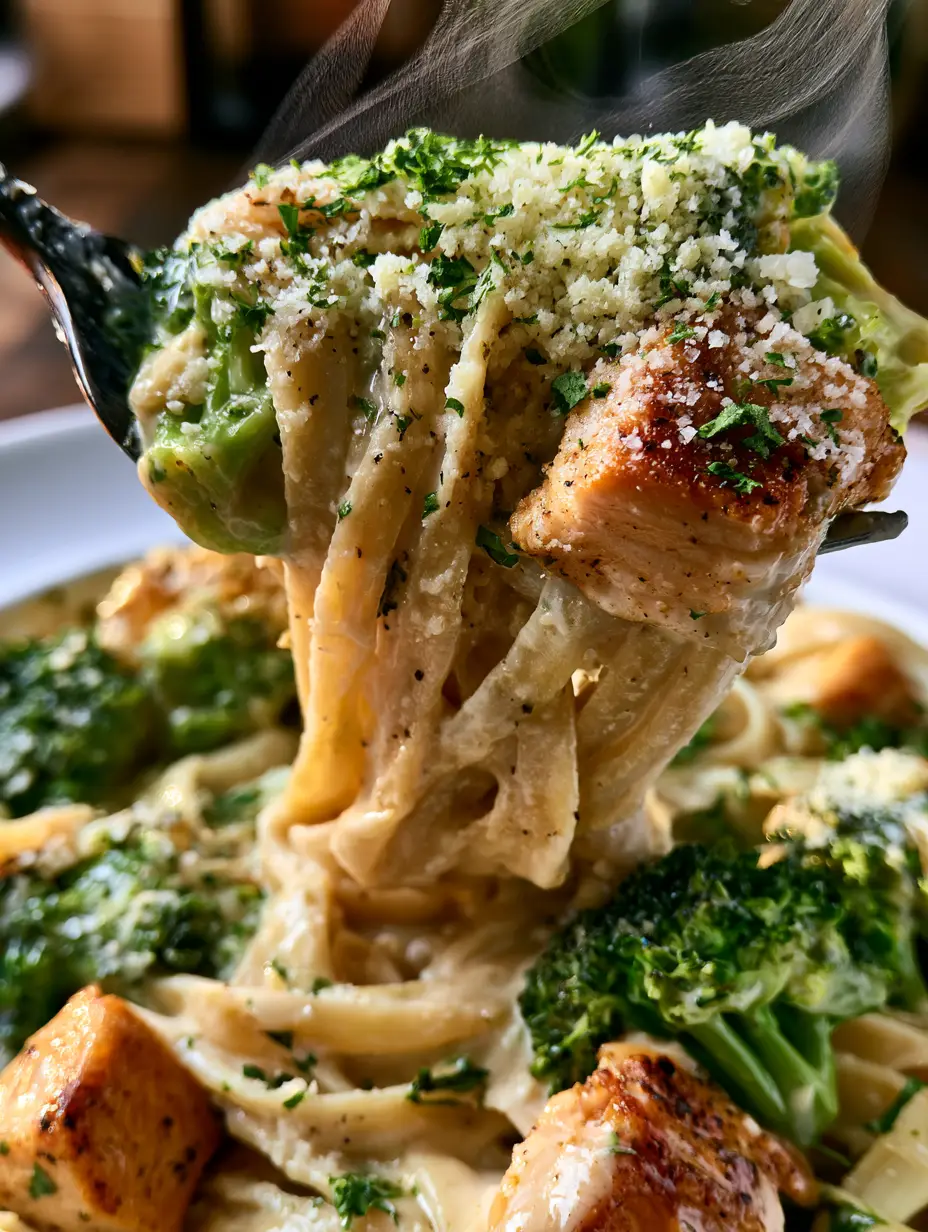
Chicken Alfredo with Golden Seared Chicken and Vibrant Broccoli
Ingredients
Equipment
Method
- Boil fettuccine in salted water according to package directions. In the last 3 minutes, add broccoli to the same pot.
- Reserve 1 cup of pasta water, then drain the pasta and broccoli.
- Pat chicken dry. Heat oil in skillet and sear chicken chunks until golden-brown and cooked through. Remove from pan.
- Melt butter in the same pan, sauté garlic for 60 seconds. Add cream and simmer for 5 minutes.
- Lower heat, whisk in Parmesan until smooth. Add pasta water if needed for consistency.
- Fold pasta, broccoli, and chicken into the sauce. Garnish with parsley and extra Parmesan.
Notes
Ensure the chicken is patted dry to achieve the signature golden-brown sear.
Closing & Call to Action
Creating a restaurant-quality chicken alfredo at home is about mastering the small details: the sear on the chicken, the snap of the broccoli, and the silken flow of the sauce. This dish is a testament to how simple ingredients, when treated with professional technique, can create a truly luxurious experience. If you made this recipe and loved the visual results, please leave a comment below and share your photos with us! Don’t forget to pin this recipe to your favorite boards on Pinterest so you can find it whenever the craving for comfort food strikes.