There is nothing quite like the sight of a glistening, succulent center-piece to anchor a family gathering. This pressure cooker ham recipe transforms a traditional holiday staple into a modern masterpiece of efficiency and flavor. By using high-pressure steam, we bypass the hours of oven-roasting, resulting in tender, juicy strands of ham that practically melt in your mouth.
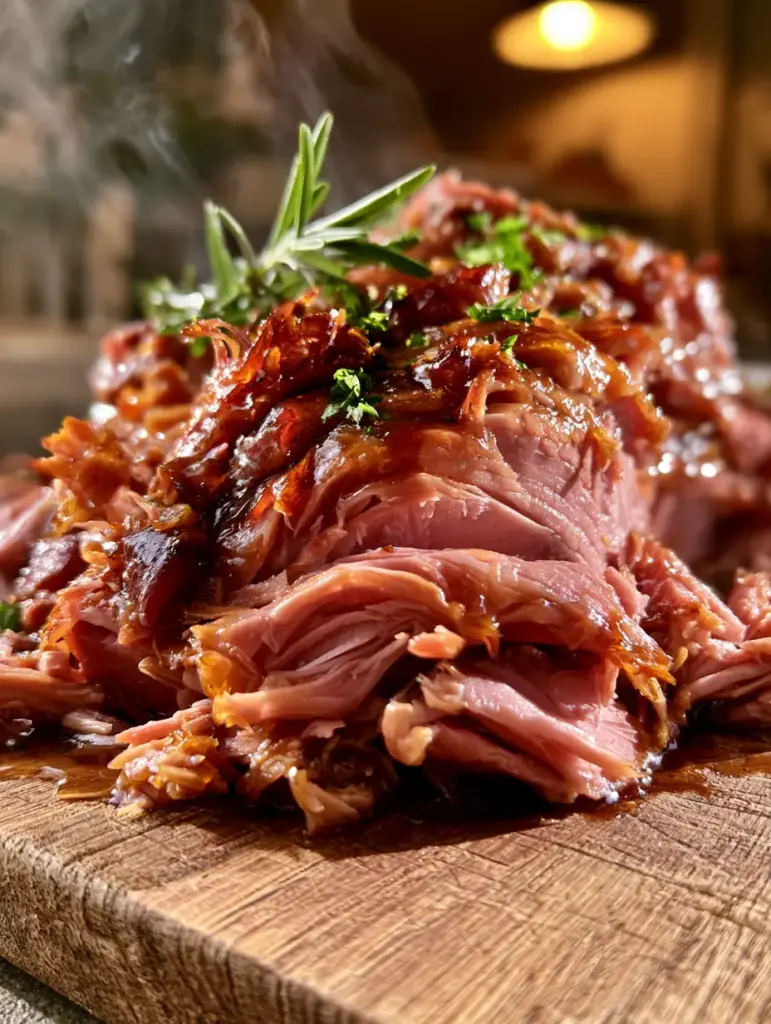
The secret lies in the pressurized environment, which forces moisture into the muscle fibers, ensuring that even the leanest cuts remain incredibly moist. When you lift the lid, the visual reward is immediate: a mountain of shredded ham, dripping with a rich amber glaze that catches the warm kitchen light perfectly. The contrast of vibrant green rosemary and parsley against the deep caramel tones of the meat creates a stunning presentation on any rustic wooden cutting board.
Whether you are preparing for a festive holiday dinner or simply want a high-quality protein for your weekly meal prep, this method delivers professional-grade results. It is time to retire the dry, rubbery oven ham and embrace the science of the electric pressure cooker. Let’s dive into how you can achieve this picture-perfect, steam-rising result in a fraction of the time.
Why the Pressure Cooker Ham Method Beats the Traditional Oven Roast
- Unmatched Moisture Retention: Traditional roasting often dries out the exterior before the interior is heated; pressure cooking locks in every drop of juice for perfect shredded ham.
- Concentrated Flavor Infusion: The high-pressure environment drives the amber glaze deep into the meat, ensuring every bite is seasoned from the outside in.
- Visual Brilliance: The rapid caramelization of the sugars creates that signature glistening, amber glow that looks like it belongs in a professional food photography studio.
- Time Efficiency: What usually takes three to four hours in the oven is accomplished in under 90 minutes, leaving you more time for sides and dessert.
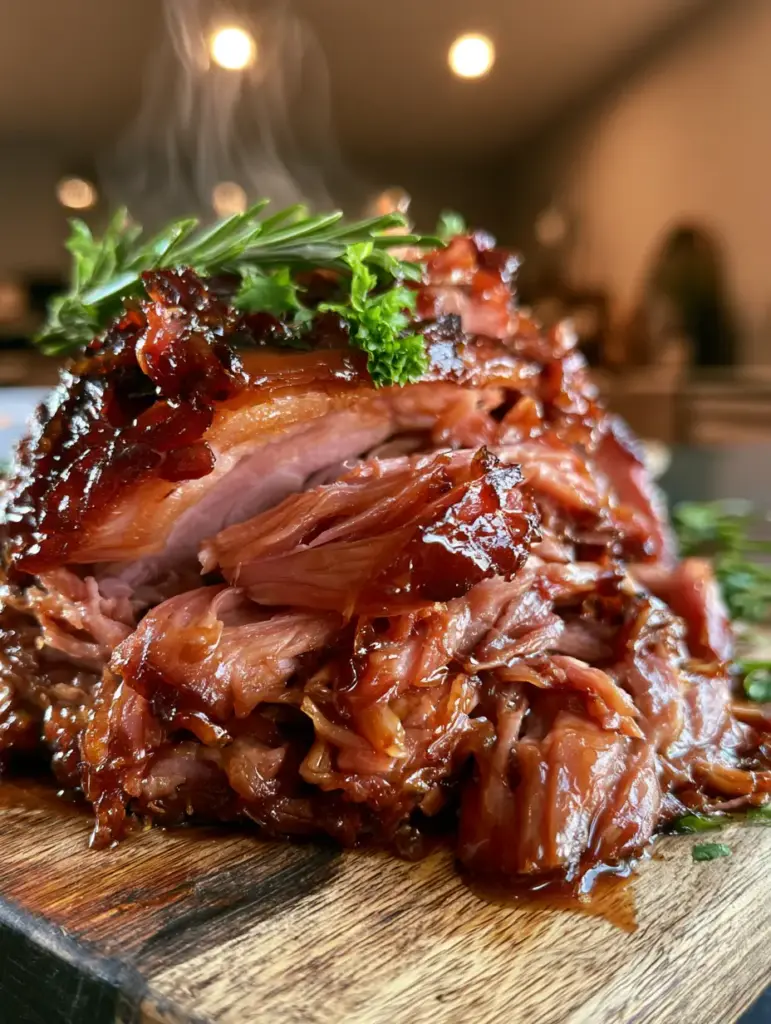
The Essential Components for a Glistening Holiday Centerpiece
To achieve the specific textures and colors described in our visual blueprint, we need a combination of high-quality protein and foundational aromatics. Each ingredient serves a scientific purpose in creating the final shredded texture and the rich, sticky glaze that defines this dish.
Bone-in or Boneless Smoked Ham: 6-8 lbs (2.7-3.6 kg). A smoked ham provides the foundational savory depth, while the size ensures enough connective tissue to break down into those tender, juicy strands we see in the blueprint.
Honey or Maple Syrup: 1 cup (240ml). This is the base of our “rich amber glaze,” providing the viscosity and the sugars necessary for that glistening, sticky finish under the heat.
Brown Sugar: 1/2 cup (100g). The molasses in the brown sugar contributes to the deep amber color and helps the glaze adhere to the shredded meat fibers.
Apple Cider or Pineapple Juice: 1.5 cups (355ml). This provides the essential liquid for the pressure cooker to reach pressure while adding a bright acidity to balance the salty pork.
Dijon Mustard: 2 tbsp (30g). Mustard acts as an emulsifier for the glaze, helping the fats and sugars bond while adding a subtle piquant back-note.
Fresh Rosemary Sprigs: 4-5 sprigs. These aren’t just for show; the oils in the rosemary infuse the steam, providing an earthy aroma that cuts through the richness of the amber glaze.
Fresh Flat-Leaf Parsley: 1/4 cup (15g), finely chopped. The vibrant green of the parsley provides the final visual pop and a fresh, herbaceous finish to the heavy, savory meat.
Foundation Liquid (Water or Broth): 1/2 cup (120ml). Even with the juice, a bit of extra water ensures the pressure cooker doesn’t trigger a “burn” notice during the long cooking cycle required for shredding.
Whole Cloves: 6-8 pieces. Tucking these into the ham adds a classic warm spice profile that complements the rosemary and honey perfectly.
Professional Culinary Tools for the Perfect Shred
Achieving a professional result requires the right gear. To replicate the “rustic wooden cutting board” aesthetic and the perfectly piled ham strands, ensure you have these tools ready in your kitchen station.
First, an Electric Pressure Cooker (6-quart or 8-quart) is mandatory. The larger size is preferable for a 6lb+ ham to ensure proper steam circulation. You will also need a Stainless Steel Trivet to keep the ham elevated out of the liquid, preventing it from boiling rather than steaming.
For the finish, a Rustic Wooden Cutting Board is essential for carving and presentation. Wood is better than plastic here because it absorbs excess juice rather than letting it pool, which keeps the ham glistening rather than soggy. Finally, use Two Heavy-Duty Forks or meat claws to achieve those tender, shredded strands shown in the Midjourney prompt.
The Master Blueprint for Fall-Apart Pressure Cooker Ham
Step 1: Preparing the Ham for Flavor Infusion
Begin by removing the ham from its packaging and patting it dry with paper towels. If your ham has a thick layer of fat, score it in a diamond pattern about 1/2 inch (1.25cm) deep; this allows the glaze to penetrate the meat rather than just sliding off the surface.
Insert the whole cloves into the intersections of your scores. In a small bowl, whisk together the honey, brown sugar, and Dijon mustard until smooth. Rub about one-third of this mixture directly onto the ham, ensuring you get into the crevices to jumpstart the amber color development.
Step 2: Setting the Pressure Stage
Pour your apple cider and the additional 1/2 cup (120ml) of water into the inner pot of the pressure cooker. Place the trivet inside. Carefully lower the ham onto the trivet, cut-side down if possible, which helps the juices circulate through the muscle fibers.
Place 2-3 of the fresh rosemary sprigs directly on top of the ham. The heat of the steam will immediately begin to extract the fragrant oils from the rosemary, infusing the entire pot with a cozy, inviting kitchen aroma that will fill your home.
Step 3: The High-Pressure Transformation
Secure the lid and ensure the venting valve is set to “Sealing.” Set the cooker to High Pressure for 15 minutes per pound for a sliced texture, but for the shredded ham featured in our blueprint, increase this to 20 minutes per pound. For an 8lb ham, this will be approximately 160 minutes.
Once the timer expires, allow for a 15-minute Natural Pressure Release (NPR). This is critical; a quick release would cause the muscle fibers to contract violently, resulting in tough meat. The slow drop in pressure keeps the ham tender and succulent, ready to be pulled apart.
Step 4: Achieving the Rich Amber Glaze
Carefully remove the ham and place it on your wooden cutting board. It will be steaming hot and very tender. While the ham rests, switch your pressure cooker to the “Sauté” function. Pour in the remaining honey-mustard mixture into the liquid already in the pot.
Whisk constantly as the liquid reduces. You are looking for a thick, syrupy consistency that coats the back of a spoon. Once the glaze has reduced by half and turned a deep, glistening amber, turn off the heat. This concentrated liquid is the “liquid gold” that will make your pressure cooker ham stand out.
Step 5: The Shred and Final Presentation
Using two forks, pull the ham apart into thick, juicy strands. You will notice the meat effortlessly falling away from the bone. Pile the shredded ham high in the center of your rustic board to create vertical height for your presentation.
Drizzle the hot amber glaze generously over the pile, ensuring every strand is glistening. Finely chop the remaining rosemary and the fresh parsley. Scatter the herbs over the top—the vibrant green against the amber meat is the final visual cue of a perfectly executed dish.
Expert Tips for Visual and Flavor Success
- Monitor the Glaze: If the glaze becomes too thick or dark, whisk in a tablespoon of hot water to loosen it. It should be fluid enough to drizzle but thick enough to cling to the meat.
- Temperature Check: Even though we are shredding, the internal temperature should reach 145°F (63°C). The extra time for shredding usually brings it much higher, which is necessary to break down the collagen.
- Steam Control: To get that “steam subtly rising” look for your own photos, serve the ham immediately after drizzling with the hot glaze. Cold glaze won’t produce the same atmospheric effect.
- Herb Freshness: Only chop the parsley at the very last second. Pre-chopped herbs lose their vibrant green color and wilted herbs will ruin the fresh aesthetic of the dish.
Maximizing Your Leftovers: Storage and Reheating
Leftover pressure cooker ham is a gift that keeps on giving. Store any remaining shredded ham in an airtight container with a bit of the leftover glaze for up to 4 days in the refrigerator. The glaze acts as a preservative and keeps the meat from drying out during storage.
To reheat, avoid the microwave if possible, as it can turn the sugars in the glaze rubbery. Instead, place the ham in a covered skillet with a splash of apple cider over low heat until the steam begins to rise again. You can also freeze the shredded ham in vacuum-sealed bags for up to 3 months, making it perfect for a hearty ham and potato corn chowder later in the season.
What to Serve With This Glistening Ham
The richness of the amber glaze and the savory depth of the ham require sides that can stand up to the flavor profile. A bright, acidic side dish or a creamy starch works best to balance the plate.
Consider pairing this with an effortless cheesy ham and potato casserole for a double-dose of comfort. If you have leftovers the next morning, this ham is the perfect salty counterpoint to savory sausage stuffed french toast rolls. For a complete holiday spread, serve alongside a fresh loaf of irresistible pineapple quick bread, which echoes the fruity notes in the ham’s glaze.
Frequently Asked Questions
While you can use a spiral ham, a whole or half-smoked ham (unsliced) is better for shredding. Spiral slices are thin and may overcook or become mushy if pressure-cooked long enough to achieve a shredded texture.
The sweetness is balanced by the saltiness of the cured ham and the acidity of the apple cider and Dijon mustard. You can reduce the brown sugar if you prefer a less sweet profile.
Ensure you have at least 1.5 cups of thin liquid (like apple cider and water) in the bottom of the pot. Also, placing the ham on a trivet prevents the glaze from sticking to the bottom and triggering the sensor.
You can trim a piece off the side or end of the ham to make it fit. Simply place the trimmed piece in the pot alongside the main ham; it will still cook perfectly and can be shredded along with the rest.
If the ham isn’t falling apart, it likely needs more time to break down the connective tissue. Put the lid back on and pressure cook for an additional 10-15 minutes followed by a natural release.
The Ultimate Shredded Pressure Cooker Ham Recipe
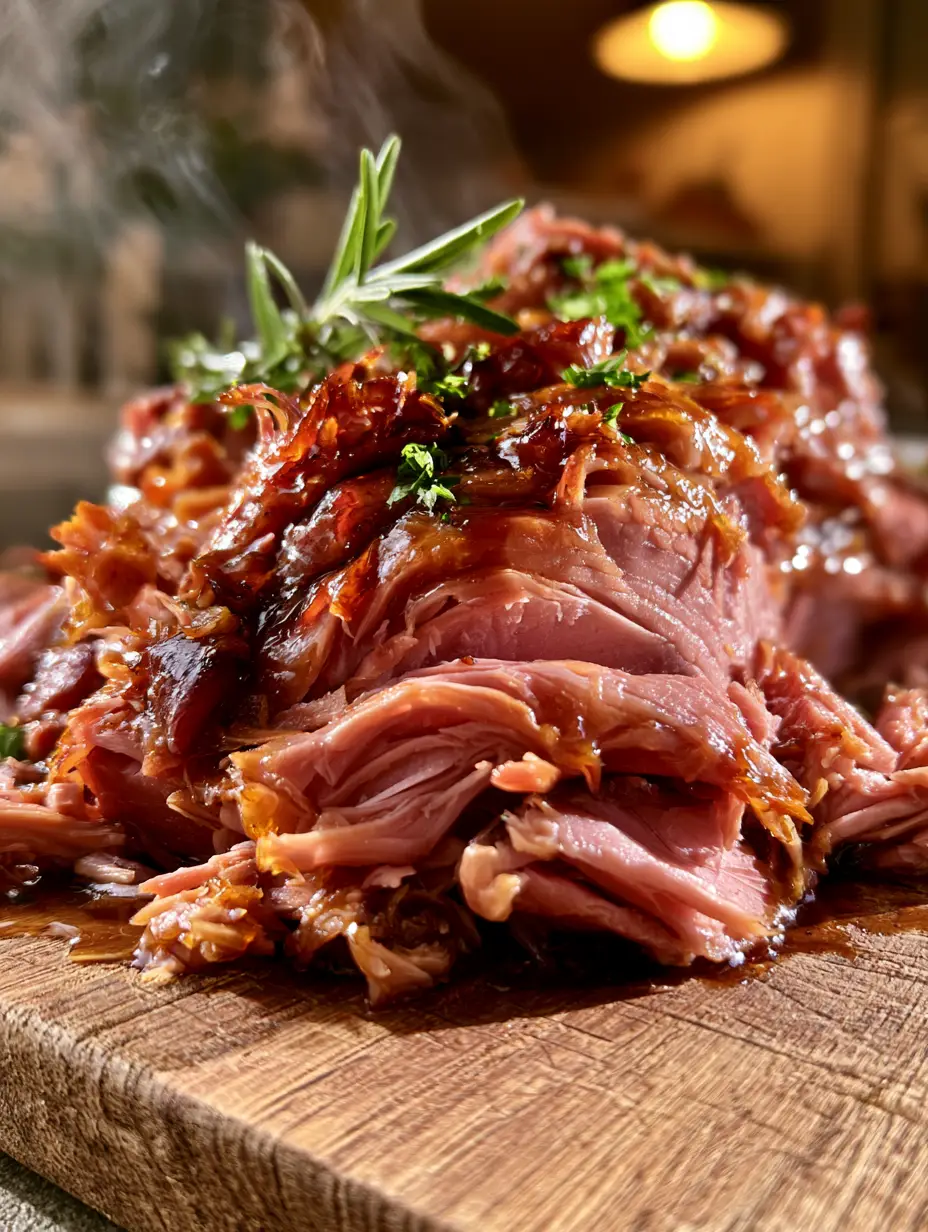
Pressure Cooker Ham with a Rich Amber Glaze and Fresh Herbs
Ingredients
Equipment
Method
- Score the ham in a diamond pattern. Whisk honey, brown sugar, and mustard together. Rub one-third of the glaze over the ham.
- Add apple cider and water to the pressure cooker. Place ham on a trivet with rosemary sprigs.
- Seal the lid and cook on High Pressure for 20 minutes per pound for a shredded texture.
- Allow a 15-minute natural pressure release to keep the muscle fibers tender.
- Remove ham. Use the Sauté function to reduce the remaining glaze and cooking juices until thick and amber.
- Shred ham with two forks on a wooden board. Drizzle with glaze and garnish with chopped rosemary and parsley.
Notes
If the ham is too large, you can trim it slightly to fit the pot or use a piece of heavy-duty foil as a sling.
Closing & Call to Action
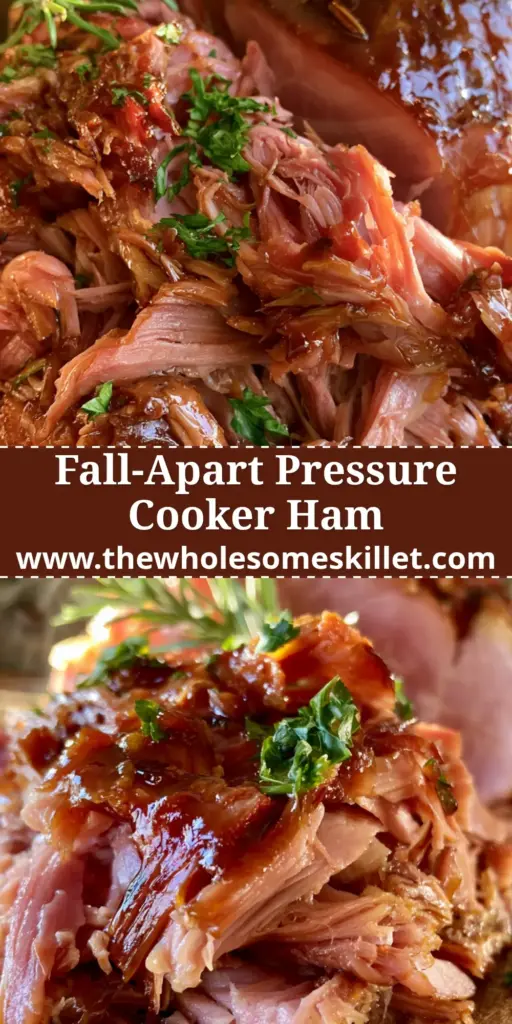
Mastering the pressure cooker ham is a game-changer for any home cook looking to combine gourmet results with practical kitchen techniques. The combination of the fall-apart shredded texture and that rich, glistening amber glaze ensures this dish will be the star of your dining table. The fresh rosemary and parsley not only add a professional touch to the presentation but also a layer of sophisticated flavor that balances the sweetness of the honey.
If you enjoyed this recipe, please leave a comment below and let us know how your ham turned out! Don’t forget to follow us on Pinterest for more visually stunning and delicious recipes. Sharing a photo of your glistening ham? Tag us so we can see your beautiful rustic presentation!