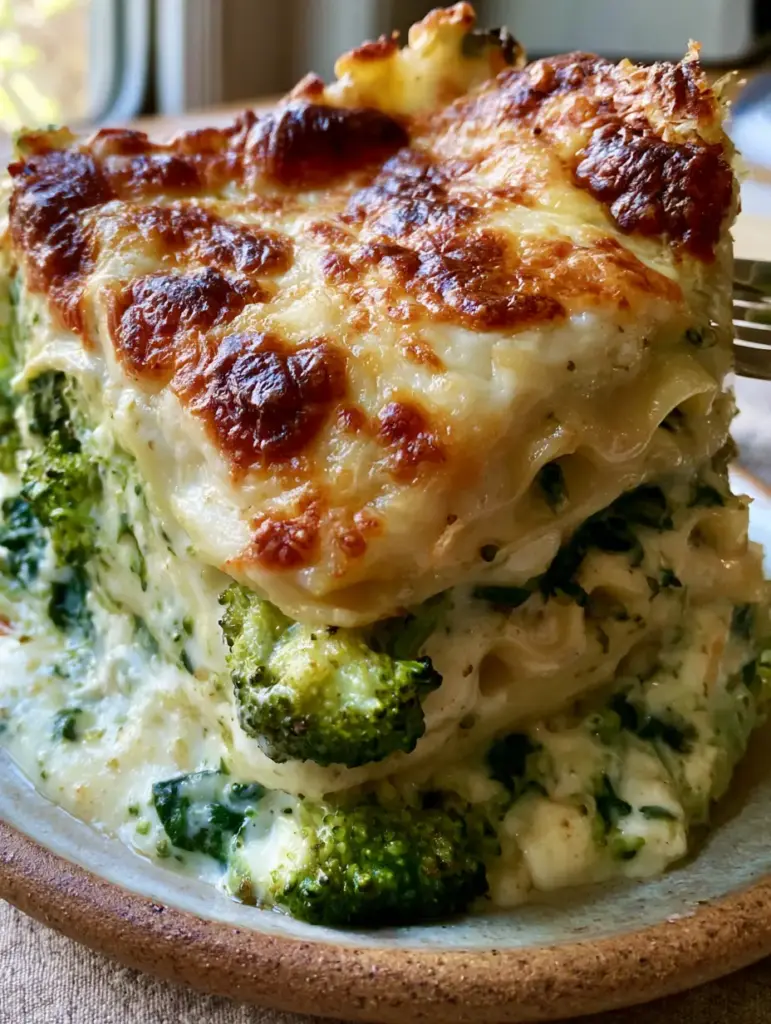
Vegetable white lasagna is the ultimate comfort food for those who crave a rich, creamy alternative to the traditional tomato-based pasta bake. Imagine a thick, generous slice of pasta where every layer is a masterpiece of texture—from the wavy edges of the noodles to the bright green of perfectly roasted broccoli florets.
When you lift a forkful, a subtle, stretchy cheese pull emerges from a golden-brown, bubbly crust of melted mozzarella and parmesan. This dish isn’t just a meal; it is a sensory experience defined by the nutty aroma of a classic Béchamel and the earthy sweetness of sautéed baby spinach and sliced zucchini.
Whether you are hosting a Sunday dinner or looking for a sophisticated vegetarian main, this vegetable white lasagna delivers high-impact flavor and professional-grade visual appeal. Let’s dive into the culinary science of building the perfect white lasagna.
Why This Creamy Vegetable Bake Surpasses the Classics
- Textural Contrast: The combination of tender zucchini and roasted broccoli ensures every bite has structural integrity rather than becoming a soft mush.
- The “Wavy” Factor: Using wavy-edged lasagna noodles creates small pockets that trap the velvety Béchamel sauce, ensuring no dry spots.
- Deep Flavor Profile: By roasting the broccoli instead of steaming it, we unlock caramelized notes that pair perfectly with the fresh cracked black pepper.
- Golden Visuals: A dual-cheese topping provides that iconic “smartphone-ready” bubbling crust with crispy, mahogany-colored edges.
The Anatomy of Our Signature Vegetable White Lasagna
To achieve the result seen in professional culinary photography, we must select ingredients that provide both flavor and structural support. High-moisture vegetables can often ruin a lasagna, so our selection focuses on density and proper preparation.
Wavy Lasagna Noodles: 1 lb (454g) of dried noodles. The ridges are essential for “gripping” the white sauce and providing the classic side-view silhouette.
Fresh Broccoli Florets: 3 cups (approx. 250g). We roast these until the tips are slightly charred to provide a smoky contrast to the creamy sauce.
Baby Spinach: 5 oz (142g) of fresh leaves. Sautéing the spinach beforehand is a non-negotiable step to remove excess water that would otherwise make the lasagna “weepy.”
Zucchini: 2 medium (approx. 400g), sliced into thin rounds. These provide a delicate, buttery texture between the layers of pasta.
The Béchamel Foundation: 4 tbsp (56g) unsalted butter, 1/4 cup (32g) all-purpose flour, and 4 cups (960ml) whole milk. This is the “white” in our vegetable white lasagna, providing a silkier mouthfeel than ricotta ever could.
Shredded Mozzarella: 3 cups (336g). This provides the essential “cheese pull” and the gooey interior layers.
Grated Parmesan: 1 cup (90g). The high salt content and lower melting point of parmesan help create that crispy, golden-brown crust on the very top.
Aromatic Finishers: Fresh cracked black pepper and 1/4 cup (15g) chopped flat-leaf parsley. The parsley adds a pop of color and a fresh herbal note to cut through the richness.
Foundational Seasonings: 1 tsp (5g) kosher salt, 1/2 tsp (1g) ground nutmeg for the sauce, and 2 tbsp (30ml) extra virgin olive oil for roasting the vegetables.
Essential Tools for a Professional Layered Result
To get those distinct, clean layers shown in our visual blueprint, you need a high-walled 9×13 inch (23×33 cm) ceramic or glass baking dish. A ceramic dish is preferred as it retains heat more evenly, helping the Béchamel set properly.
A mandoline or a very sharp chef’s knife is required to get the zucchini slices uniform. Finally, a heavy-bottomed saucepan is vital for the Béchamel to ensure the milk doesn’t scorch while you are whisking your roux.
Step-by-Step: Mastering Each Layer
Phase 1: Roasting the Broccoli for Maximum Texture
Preheat your oven to 400°F (200°C). Toss your broccoli florets with 1 tbsp (15ml) of olive oil and a pinch of salt on a large baking sheet.
Roast for 15-18 minutes. You are looking for a specific visual cue: the edges of the florets should be dark brown and crispy, while the stems remain bright green.
Phase 2: Preparing the Sautéed Spinach and Zucchini
In a large skillet over medium heat, wilt the baby spinach with a tiny bit of oil. Once wilted, place the spinach in a clean kitchen towel and squeeze out every drop of liquid.
For the zucchini, quickly sear the slices for 1 minute per side. This “pre-cooking” step ensures the zucchini doesn’t release water inside the lasagna during the long bake.
Phase 3: Whisking the Velvety Béchamel Sauce
In your saucepan, melt the butter until it foams. Whisk in the flour and cook for 2 minutes—you should smell a faint “pie crust” aroma, but do not let the flour turn brown.
Slowly stream in the milk while whisking constantly. Simmer until the sauce thickens enough to coat the back of a spoon. Stir in the nutmeg and half of the parmesan.
Phase 4: The Art of Layering
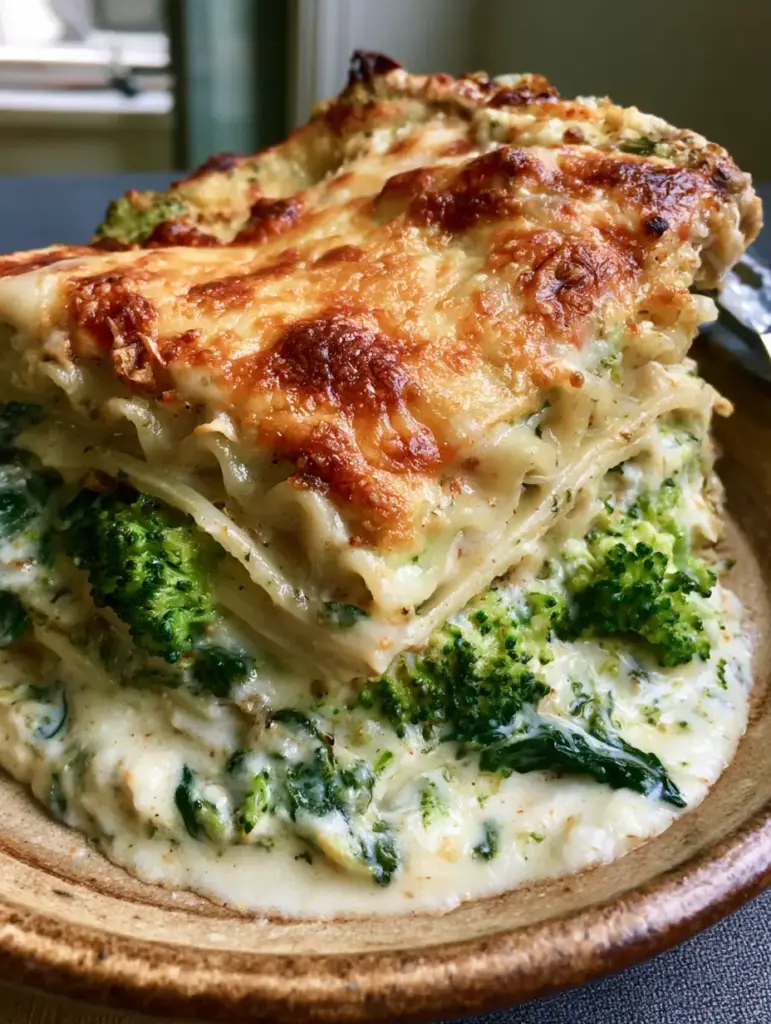
Spread a thin layer of Béchamel at the bottom of the dish. Lay down your first set of wavy noodles, overlapping them slightly to create a solid base.
Layer half of the roasted broccoli, spinach, and zucchini slices. Top with a generous amount of mozzarella and another ladle of Béchamel. Repeat until you reach the final layer of pasta.
Phase 5: Achieving the Golden-Brown Crust
Cover the final layer of noodles with the remaining Béchamel, a thick layer of mozzarella, and the rest of the parmesan. Sprinkle heavily with fresh cracked black pepper.
Bake at 375°F (190°C) for 35-40 minutes. For the last 5 minutes, you can turn on the broiler to achieve that perfectly bubbly, golden-brown finish described in our visual prompt.
Expert Tips for Success
- Noodle Prep: Boil your wavy lasagna noodles for 2 minutes less than the package instructions. They will finish cooking in the Béchamel, absorbing the sauce’s flavor.
- The Resting Period: This is the hardest part. Let the lasagna rest for at least 15-20 minutes after taking it out of the oven. This allows the sauce to thicken and the layers to “lock” together for a clean slice.
- Nutmeg is Key: Don’t skip the nutmeg in the white sauce. It is the “secret ingredient” that makes the Béchamel taste professional and authentic.
- Avoid Watery Lasagna: Always squeeze the spinach. If you skip this, your lasagna will have a pool of green liquid at the bottom.
What to Serve With Vegetable White Lasagna
Because this dish is incredibly rich and creamy, it pairs beautifully with sides that offer acidity or a light, refreshing crunch. A simple arugula salad with a lemon vinaigrette is an excellent choice.
If you are looking to round out a larger feast, consider starting the meal with some creamy lemon ricotta spaghetti as a small appetizer, or serve it alongside honey glazed roasted carrots for an extra touch of sweetness. For those who love a bit of meat on the table, a side of roast beef tenderloin makes for a stunning surf-and-turf style spread.
Frequently Asked Questions
Yes. Assemble the lasagna fully, cover tightly with foil, and freeze. Bake from frozen at 375°F for 75-90 minutes, or thaw overnight before baking as directed.
While you can, wavy traditional noodles are preferred for white lasagna because their ridges better hold the creamy Béchamel sauce compared to flat no-boil sheets.
Use a mix of mozzarella for the pull and parmesan for the crust. If it isn’t brown enough after 35 minutes, broil on high for 2-3 minutes while watching closely.
Béchamel is a French flour-based white sauce that results in a silkier, more cohesive texture, whereas Ricotta provides a grainier, more traditional Italian-American curd texture.
This usually happens if the vegetables, especially spinach and zucchini, aren’t pre-cooked and drained. Always squeeze sautéed spinach dry before layering.
The Ultimate Vegetable White Lasagna Recipe
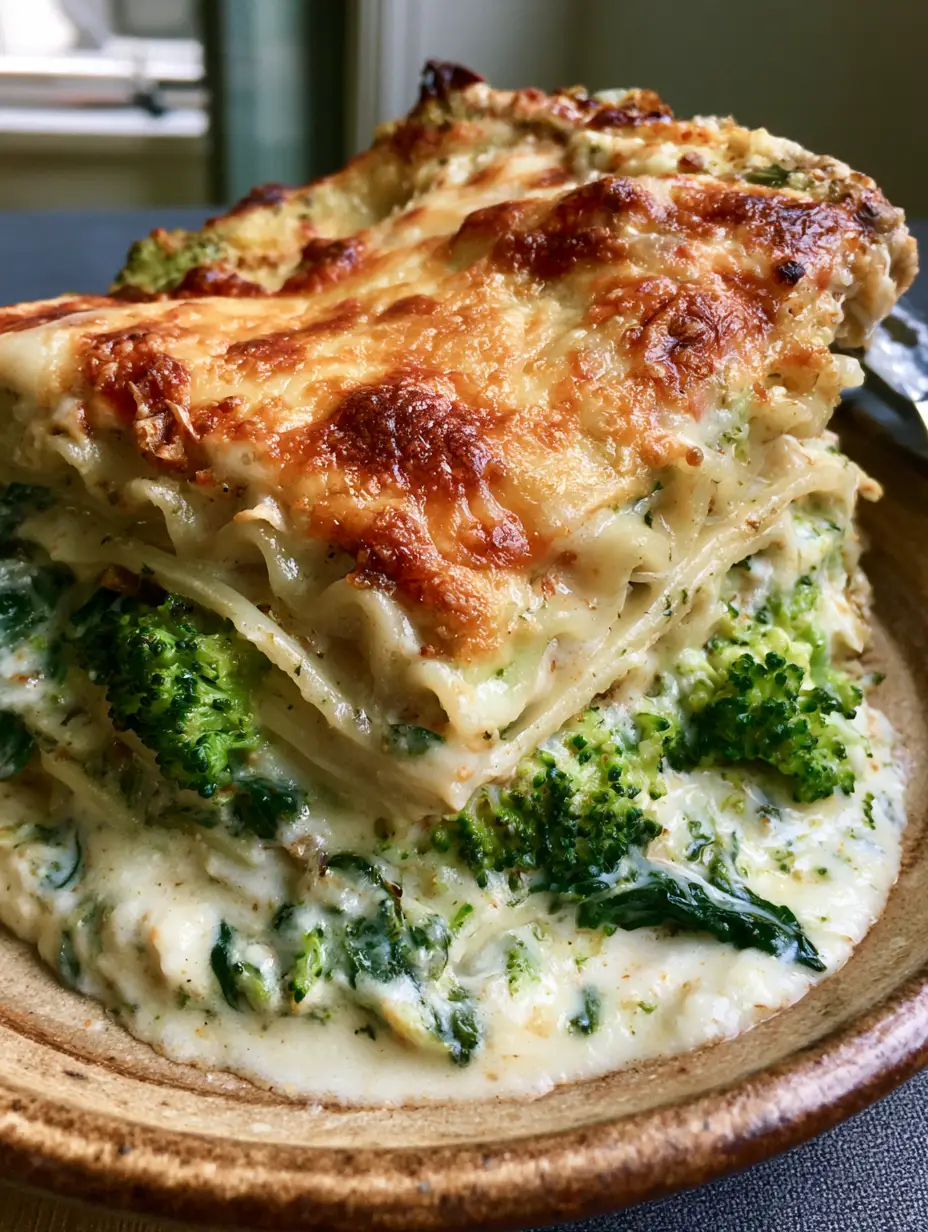
Vegetable White Lasagna with Roasted Broccoli and Velvety Béchamel
Ingredients
Equipment
Method
- Roast broccoli florets at 400°F (200°C) with olive oil and salt until edges are charred. Sauté spinach and squeeze out all liquid using a kitchen towel.
- Melt butter, whisk in flour for 2 minutes. Gradually add milk, whisking until thickened. Season with nutmeg and salt.
- Layer sauce, wavy noodles, vegetables, and cheeses in a 9x13 dish. Repeat layers, finishing with a heavy layer of mozzarella and parmesan.
- Bake at 375°F (190°C) for 35-40 minutes until the top is golden-brown and bubbly. Let rest for 20 minutes before slicing.
Notes
Use wavy noodles to create pockets for the sauce.

Closing & Call to Action
This vegetable white lasagna is a testament to how simple ingredients like broccoli and zucchini can be transformed into a luxury meal through proper technique. The combination of the crispy cheese top and the velvety interior is guaranteed to make this a staple in your kitchen.
If you made this, I would love to hear how your “cheese pull” turned out! Please leave a comment below and share your photos with me on Pinterest. Don’t forget to sign up for our newsletter for more deep-dive recipe tutorials!