There is a specific kind of magic that happens when high-quality pantry staples meet fresh, vibrant citrus. This lemon ricotta spaghetti is the embodiment of that culinary synergy, offering a bright, velvety experience that feels like a sun-drenched afternoon in a coastal Italian village. Unlike heavy cream-based pastas, this dish relies on the structural integrity of whole milk ricotta and the emulsifying power of starchy pasta water to create a sauce that is both indulgent and incredibly light.
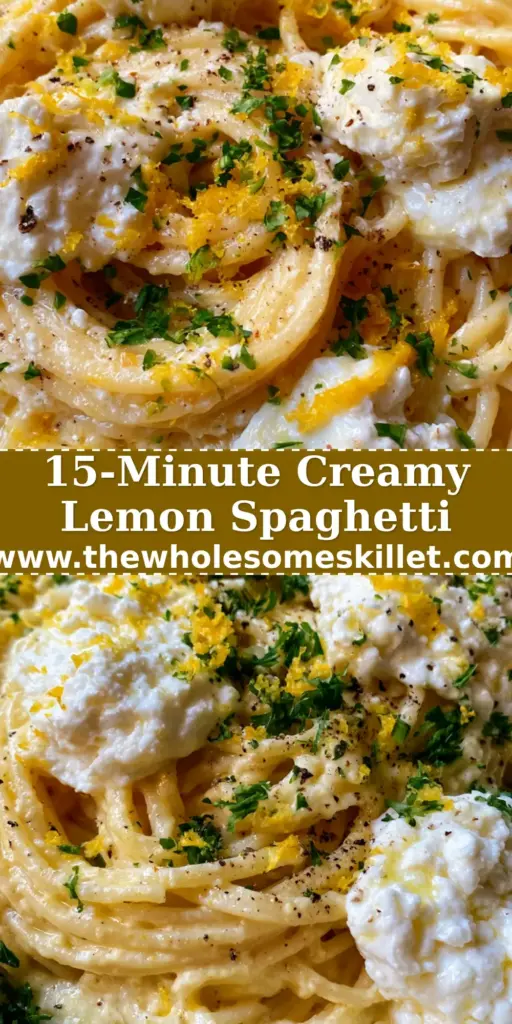
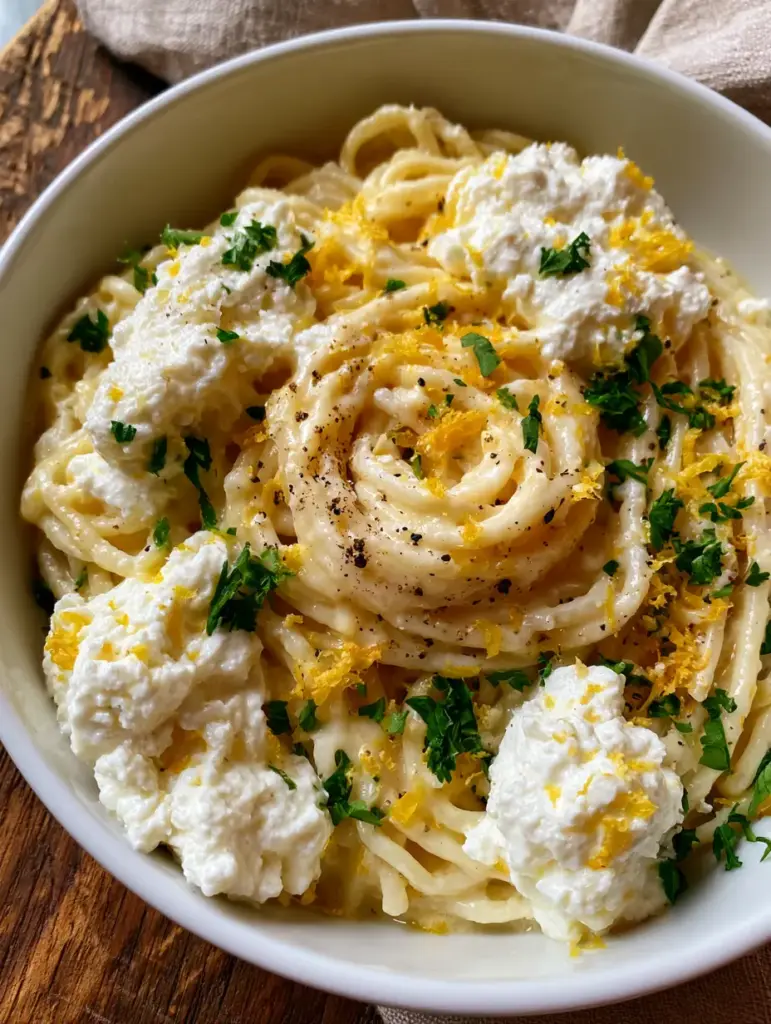
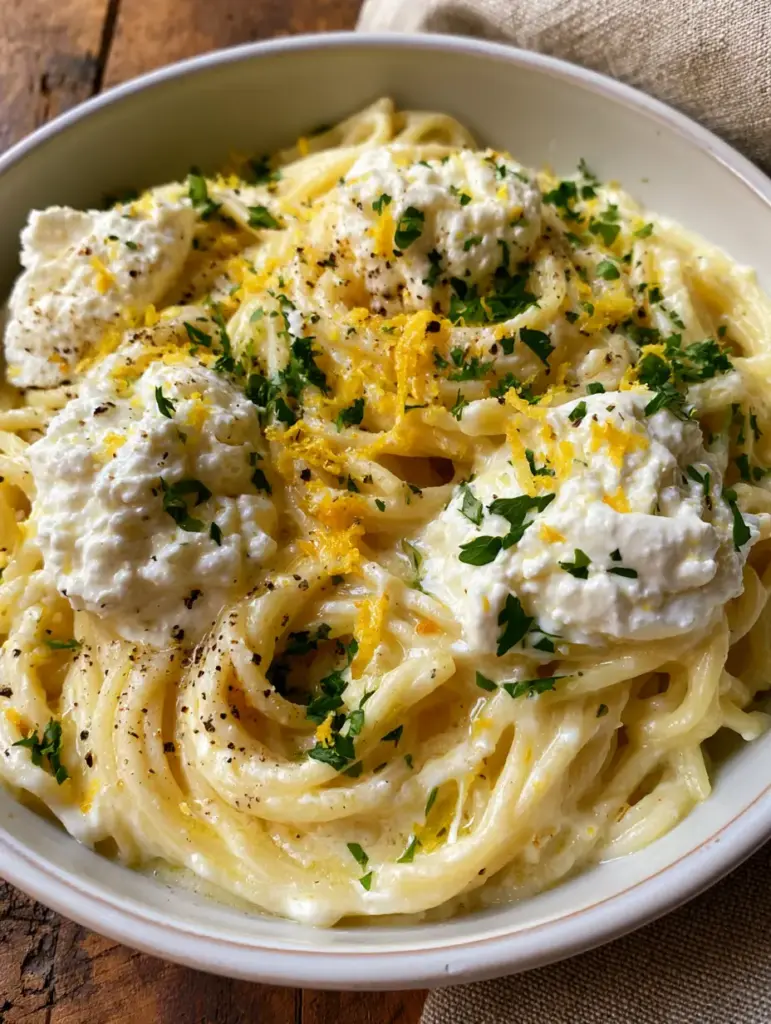
When you look at a bowl of this lemon ricotta spaghetti, the first thing you notice is the glistening, golden hue of the sauce. It coats every strand of pasta in a silky embrace, punctuated by fluffy, cloud-like dollops of fresh ricotta that melt ever so slightly into the heat. The visual contrast of the bright yellow lemon zest against the vibrant green of finely chopped parsley creates a dish that is as beautiful to photograph as it is delicious to eat. Whether you are hosting a summer dinner party or looking for a sophisticated 20-minute weeknight meal, this recipe delivers on every front.
This recipe was designed to bridge the gap between professional chef techniques and the practicalities of a home kitchen. By focusing on the “Visual Recipe Blueprint,” we ensure that every crack of black pepper and every ribbon of lemon zest serves a purpose. The result is a dish that looks exactly like the high-end social media photography you admire, with a flavor profile that is balanced, zesty, and deeply satisfying. Let’s dive into the science and soul of this citrus-forward pasta masterpiece.
Why You Will Absolutely Crave This Creamy Citrus Pasta
- The Ultimate Texture Play: You get the dual experience of a smooth, emulsified lemon-butter sauce and the rich, grainy-creamy texture of fresh ricotta dollops.
- Visual Vibrancy: The combination of neon-bright lemon zest and forest-green parsley makes this a “showstopper” dish with minimal effort.
- Scientifically Balanced Flavors: The high acidity of the lemon juice cuts through the fat of the ricotta and parmesan, creating a clean finish on the palate.
- Speed and Simplicity: From start to finish, you are looking at less than 30 minutes, making it more efficient than ordering takeout.
- Social Media Ready: Using our specific plating tips, your bowl will mirror the professional “handheld smartphone photo” aesthetic perfectly.
Essential Components for the Perfect Lemon Ricotta Spaghetti
Dried Spaghetti: 1 lb (450g). We recommend a high-quality bronze-die pasta, which has a rougher surface area. This physical texture is crucial for “grabbing” the lemon-ricotta emulsion and ensuring the sauce doesn’t just slide off the noodles.
Whole Milk Ricotta Cheese: 1.5 cups (375g). Use the highest quality ricotta you can find, preferably one without gums or stabilizers. This ensures the “fluffy dollops” described in our visual prompt maintain their structure rather than turning watery.
Extra Virgin Olive Oil: 1/4 cup (60ml). This is a foundational fat that provides the “glistening” finish seen in the blueprint. Choose a fruity, cold-pressed oil to complement the citrus notes.
Unsalted Butter: 2 tbsp (30g). While the ricotta provides creaminess, a small amount of butter added to the pasta water creates the “golden lemon-butter-ricotta sauce” that characterizes the dish’s base.
Fresh Lemons: 2 large lemons. You will need both the zest and the juice. The zest provides the essential oils and aroma, while the juice provides the sharp acidity needed to balance the cheese.
Grated Parmesan Cheese: 1/2 cup (50g). This adds a salty, umami depth that seasons the sauce from within. Always grate your own from a wedge for the best melting properties.
Fresh Flat-Leaf Parsley: 1/2 cup (15g), finely chopped. This provides a “vibrant green” visual contrast and a fresh, herbaceous finish that lifts the heavier dairy components.
Black Pepper: 1 tsp (2g), freshly cracked. The “visible cracks” of pepper are essential for cutting through the richness of the ricotta. Use a coarse grind for the best visual and flavor impact.
Kosher Salt: For the pasta water. Salt is the “invisible” hero that seasons the pasta from the inside out. The water should taste like the sea.
Required Tools for an Authentic Italian Finish
To achieve the “perfectly swirled” look of a professional food photo, you need a few specific tools. A large 12-inch (30cm) skillet is better than a pot for finishing the pasta, as it allows for better evaporation and emulsification of the sauce. You will also need a Microplane or fine zester to create those delicate “bright yellow” ribbons of lemon. A pair of stainless steel kitchen tongs is essential for twisting the spaghetti into those high, elegant nests you see in the Midjourney prompt.
Step-by-Step Instructions to Master the Silky Lemon Sauce
1. Preparing the Citrus and Herbs
Begin by zesting your lemons before cutting them. It is significantly easier to zest a whole, firm lemon than a squeezed half. Use a Microplane to remove only the yellow flavedo, avoiding the bitter white pith. Once zested, juice the lemons into a small bowl, ensuring no seeds remain. Finely chop your parsley until it is a “vibrant green” dust, which will be sprinkled over the finished dish to provide that professional pop of color.
2. The Perfect Al Dente Boil
Bring a large pot of heavily salted water to a rolling boil. Add your 1 lb (450g) of spaghetti. Cook the pasta for 1-2 minutes less than the package directions specify for “al dente.” We want the pasta to finish cooking in the sauce so it can absorb the lemon and butter flavors. CRITICAL STEP: Before draining, reserve at least 1.5 cups (350ml) of the starchy pasta water. This liquid is the “liquid gold” that creates the glistening sauce texture.
3. Creating the Golden Emulsion
In a large skillet over medium-low heat, add your extra virgin olive oil and butter. Once the butter has melted and begins to foam slightly, whisk in half of the lemon juice and 1/2 cup (120ml) of the reserved pasta water. This creates the base of your golden lemon-butter sauce. Add the cooked spaghetti directly to the skillet and toss vigorously with tongs. The sound you are looking for is a wet, “slapping” noise, which indicates the starch and fats are emulsifying perfectly.
4. Incorporating the Cheese and Aromatics
Turn off the heat. This is vital to prevent the ricotta from graining out. Fold in 1 cup (250g) of the ricotta cheese and the grated parmesan. Add more pasta water if the sauce looks too thick; it should look “glistening” and “silky,” exactly like the visual prompt. Stir in half of the lemon zest and half of the parsley. The residual heat will soften the cheese into a luxurious coating for the pasta.
5. Plating and Finishing Touches
Using your tongs, swirl a generous portion of pasta into a large bowl. To match the “Midjourney Prompt,” take the remaining 1/2 cup (125g) of ricotta and place “large, fluffy dollops” on top of the pasta nests. Sprinkle the remaining lemon zest, the rest of the vibrant parsley, and several “cracks of black pepper” over the top. The dollops should begin to melt slightly into the heat of the glistening noodles, creating that authentic, high-quality social media aesthetic.
Pro Secrets for a Successful Lemon Ricotta Spaghetti
- The Temperature Rule: Never boil the ricotta. High heat can cause the proteins in the cheese to tighten and separate, leading to a gritty texture rather than the “silky” result we want.
- Pasta Water Management: If your pasta looks dry, add more water, not more oil. The starch in the water is what creates the creamy “sauce” feel without the need for heavy cream.
- Zest vs. Juice: Most of the lemon flavor is in the zest (the oils). The juice provides the “zip.” Don’t skip the zest if you want that “bright yellow” visual and intense aroma.
- The “Gloss” Factor: If your pasta isn’t glistening, a final drizzle of high-quality extra virgin olive oil just before serving will provide that “smartphone photo” glow.
The Science of Storing and Reheating
This lemon ricotta spaghetti is best served immediately, as the ricotta and pasta water emulsion is most stable when fresh. However, if you have leftovers, store them in an airtight container in the refrigerator for up to 2 days. The pasta will absorb the sauce as it sits, so it may appear dry the next day.
To reheat, do not use the microwave if possible, as it can make the cheese rubbery. Instead, place the pasta in a skillet with a splash of water or milk. Heat over low, tossing gently until the sauce loosens up and becomes creamy again. Note that the “fluffy dollops” of ricotta will likely melt completely into the sauce during reheating, changing the visual appearance but not the delicious flavor.
Creative Pairings to Complete Your Meal
This light and zesty pasta acts as a perfect canvas for various proteins and side dishes. If you are looking for a hearty meat pairing, serving this alongside a Roast Beef Tenderloin creates a stunning “surf and turf” style contrast between the bright citrus and the rich beef.
For those who want to keep the meal entirely Italian-inspired, start your dinner with Sausage Stuffed Shells as an appetizer, or pair the spaghetti with a side of Honey Glazed Roasted Carrots for a touch of sweetness that balances the lemon’s acidity. If you’re looking for a dessert to follow this citrus main, my Lemon Blueberry Danishes continue the bright lemon theme perfectly.
Finally, if you enjoy the creamy-meets-pasta vibe of this dish but want more vegetables, you might also love my Vegetable White Lasagna, which uses similar dairy notes but with a baked, comfort-food twist.
Frequently Asked Questions
Absolutely! Grilled chicken or sautéed shrimp pair beautifully with the citrus notes. Add them at the very end when you are garnishing with the extra zest and parsley.
It is not recommended. Fresh lemon juice provides a bright acidity that bottled versions lack, and you also need the fresh zest for the aromatic oils and visual appeal.
The secret is to turn off the heat before folding in the cheese. Residual heat is enough to create a silky sauce; high direct heat causes ricotta to separate.
Spaghetti or Linguine are best. Look for ‘bronze-die’ on the label, as these noodles have a rough texture that helps the thin lemon-ricotta emulsion cling to the pasta.
You likely didn’t emulsify the pasta water and oil enough. Toss the pasta vigorously in the skillet with the water and fat to create that thick, glossy coating.
The Ultimate Lemon Ricotta Spaghetti Recipe
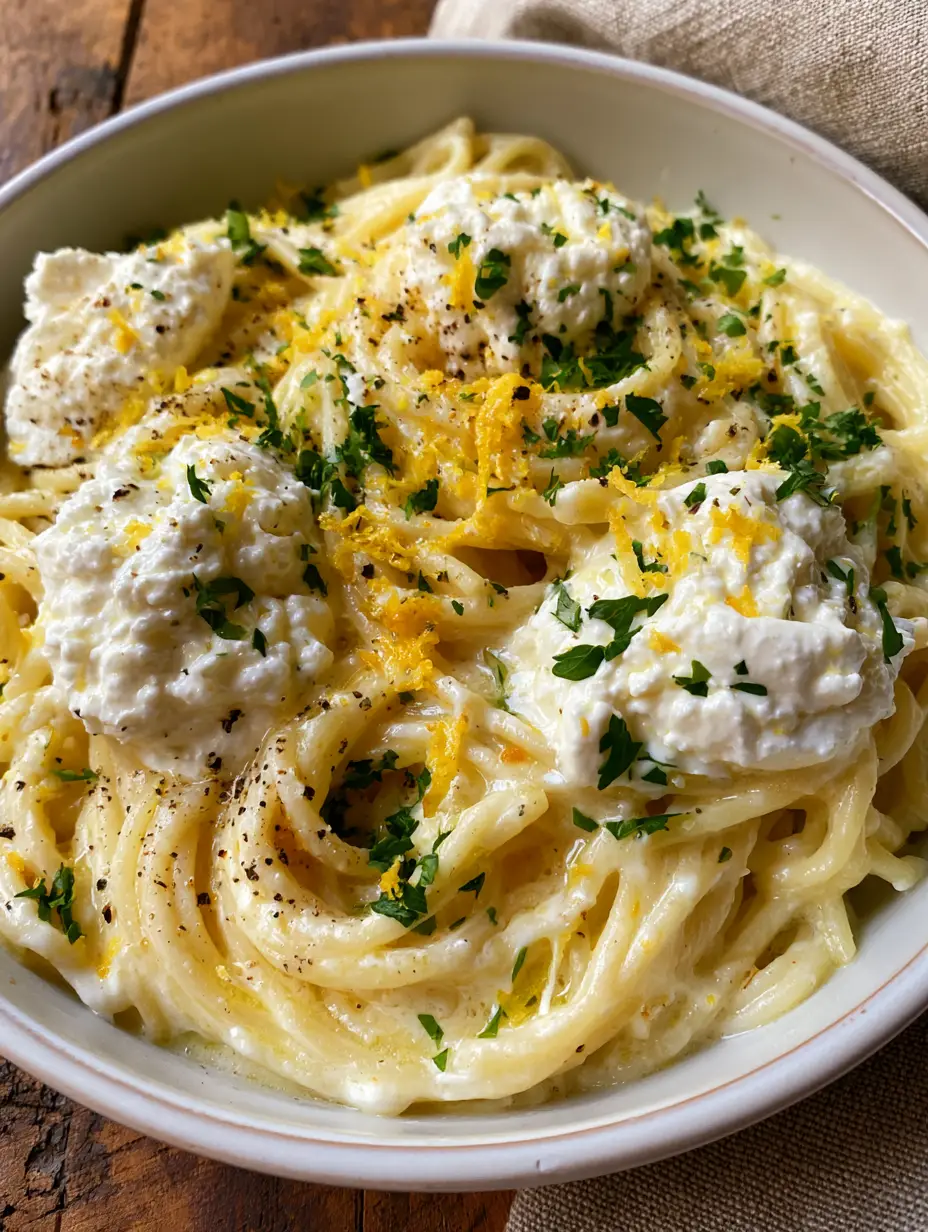
Lemon Ricotta Spaghetti with Fresh Parsley and Cracked Pepper
Ingredients
Equipment
Method
- Cook spaghetti in heavily salted water until 1-2 minutes before al dente. Reserve 1.5 cups (350ml) of pasta water before draining.
- In a large skillet over medium-low heat, melt butter with olive oil. Add half the lemon juice and 1/2 cup (120ml) pasta water, whisking to create a glistening golden base.
- Add the pasta to the skillet. Toss vigorously with tongs, adding more pasta water as needed until the noodles are glossy and well-coated.
- Turn off heat. Fold in 1 cup (250g) of ricotta, parmesan, half the zest, and half the parsley. The sauce should be silky and creamy.
- Plate the pasta. Top with remaining 1/2 cup (125g) ricotta in fluffy dollops. Garnish with remaining zest, parsley, and black pepper.
Notes
Always zest the lemon before juicing to avoid a mess.
Share Your Culinary Masterpiece!
We can’t wait to see how your lemon ricotta spaghetti turns out! The contrast of the creamy ricotta against the sharp lemon is truly a sensory delight. If you make this recipe, please leave a comment below and tell us about your experience. Did you manage to get those perfect “fluffy dollops” on top?
Don’t forget to take a photo of your glistening pasta and share it with us! You can pin this recipe to your favorite boards on Pinterest so you always have this 20-minute dinner in your back pocket. For more daily recipe inspiration and behind-the-scenes culinary tips, be sure to join our newsletter community.