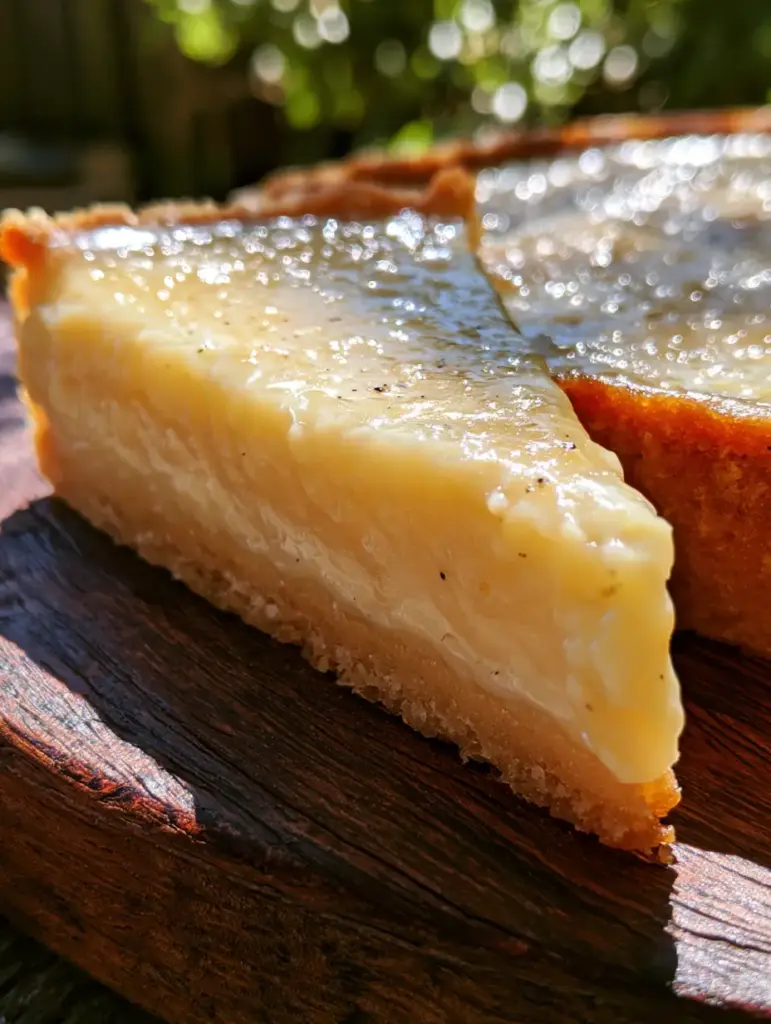
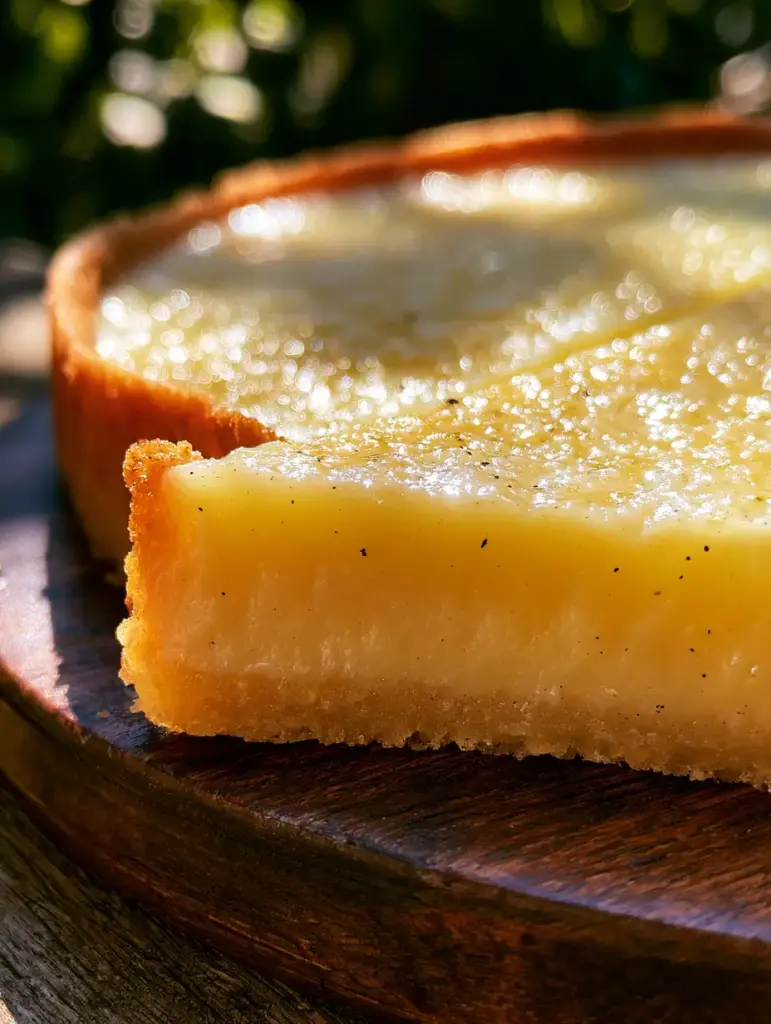
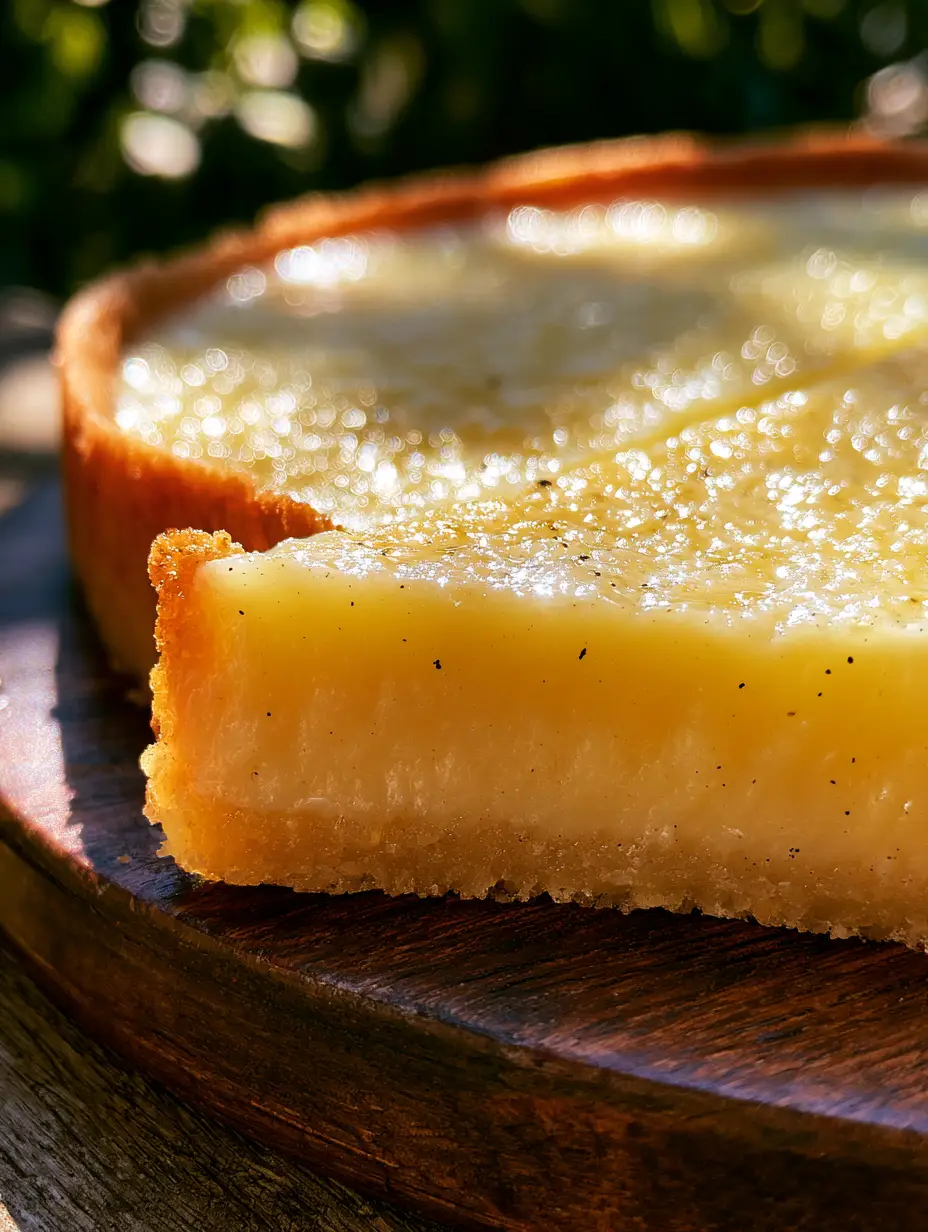
The lemon custard cake is the ultimate intersection of rustic Italian charm and refined pastry technique. Imagine a slice so thick and creamy that it glistens under the soft glow of Mediterranean sunlight, resting perfectly on a dark wooden board. This isn’t just a dessert; it is a sensory journey through bright citrus groves and silky, vanilla-flecked indulgence.
Inspired by the traditional Torta della Nonna, this version focuses on a hyper-thick custard layer that maintains its structural integrity while remaining melt-in-your-mouth soft. Every bite offers a contrast between the delicate snap of a golden-brown shortcrust and the luscious, pale yellow cream within. It is the kind of recipe that turns a simple afternoon tea into a celebratory event.
Whether you are a seasoned baker or a curious home cook, mastering this lemon custard cake will elevate your repertoire. We have meticulously balanced the acidity of fresh lemon juice with the richness of organic egg yolks and heavy cream to create a profile that is bright yet deeply satisfying. Let’s dive into the architecture of this citrus masterpiece.
Why You Will Fall in Love with This Silky Italian Citrus Cake
- The Texture Contrast: A thin, perfectly golden-brown shortcrust provides a buttery, crisp foundation for the incredibly thick custard layer.
- Glistening Visual Appeal: Thanks to the use of heavy cream and organic yolks, the filling has a silky, glistening texture that looks professional and tastes even better.
- Fragrant Aromatics: Real vanilla bean flecks and freshly grated lemon zest permeate every mouthful, offering an authentic flavor that bottled extracts simply cannot replicate.
- Sun-Drenched Elegance: This cake captures the essence of a Mediterranean garden, making it the perfect centerpiece for spring and summer gatherings.
Essential Components for the Ultimate Lemon Custard Filling
To achieve the visual and textural perfection seen in high-end food photography, every ingredient in this lemon custard cake serves a scientific purpose. We are building a stable emulsion that must be both firm enough to slice and soft enough to swoon over.
Organic Egg Yolks: We use 6 large organic egg yolks to provide the signature pale yellow hue and a rich, custardy mouthfeel. The high fat content in organic yolks ensures the filling is stable and deeply flavorful.
Heavy Cream (Double Cream): 1 cup (240ml) of heavy cream is whisked into the base to create that glistening, silky texture. It adds a luxurious weight to the custard that milk alone cannot achieve.
Fresh Lemon Juice and Zest: You will need 1/2 cup (120ml) of freshly squeezed juice and the zest of two lemons. The acidity brightens the fats, while the zest provides the essential oils for a long-lasting citrus aroma.
Vanilla Bean Pod: One whole vanilla bean, split and scraped, provides the tiny black flecks visible in the custard. If you enjoy this flavor profile, you might also love the aromatic notes in a Brazilian coconut custard cake.
All-Purpose Flour and Cornstarch: This dual-thickener approach ensures the lemon custard cake doesn’t “weep” or become soggy. It creates a clean, sharp edge when sliced.
Crafting the Perfect Buttery Shortcrust Base
The crust of this lemon custard cake is a traditional Italian pasta frolla. It is designed to be thin, golden, and structurally sound enough to support the heavy custard layer without becoming tough.
Cold Unsalted Butter: 3/4 cup (170g) of cold butter is cubed and rubbed into the flour. Keeping the butter cold is the secret to those microscopic layers of fat that create a crisp, short texture.
Confectioners Sugar: Using 1/2 cup (60g) of powdered sugar in the dough instead of granulated sugar results in a finer, more tender crumb that melts away instantly.
Ice Water: Use only 1-2 tablespoons (15-30ml) as needed. The goal is a dough that just barely holds together, preventing the over-development of gluten which causes shrinkage during baking.
If you prefer a softer, cookie-like base, you could experiment with techniques used in lemon sugar cookies, but for this specific cake, the shortcrust is king.
Tools Required for Professional Results
Achieving a side-view macro shot quality requires the right equipment. You will need a 9-inch (23cm) tart pan with a removable bottom to ensure you can lift the cake out without damaging the delicate crust. A fine-mesh sieve is also non-negotiable for straining the custard to remove any accidental bits of cooked egg, ensuring a perfectly smooth finish.
A heavy-bottomed saucepan is essential for the custard. It prevents the sugar from scorching and allows for even heat distribution. Finally, a Microplane zester will help you achieve those wispy, fresh lemon zest strands that decorate the top of the cake alongside a dusting of confectioners sugar.
Step-by-Step Evolution of a Mediterranean Masterpiece
Preparing the Golden Shortcrust Foundation
In a large bowl, whisk together 2 cups (250g) of all-purpose flour and the confectioners sugar. Add the cold, cubed butter and use your fingertips to rub it in until the mixture resembles coarse breadcrumbs. Add one egg yolk and a splash of ice water, mixing until a dough just forms.
Wrap the dough in plastic and chill for at least 30 minutes. Once chilled, roll it out to 1/8 inch (3mm) thickness and press it into your tart pan. Blind bake with pie weights at 375°F (190°C) for 12-15 minutes until it reaches a light golden-brown color. This prevents the “soggy bottom” syndrome often found in custard desserts like the eggnog custard tart.
Simmering the Silky Lemon Custard Filling
While the crust cools, whisk the organic egg yolks with 3/4 cup (150g) of granulated sugar until pale and thick. Sift in 1/4 cup (30g) of cornstarch. In a saucepan, bring the heavy cream and 1.5 cups (350ml) of whole milk to a gentle simmer with the vanilla bean flecks and lemon zest.
Slowly temper the egg mixture by drizzling in the warm cream while whisking constantly. Return the entire mixture to the heat and cook, stirring vigorously, until the custard thickens significantly and large bubbles pop on the surface. Remove from heat and stir in the fresh lemon juice for a final burst of acidity.
The Final Bake and Setting Process
Pour the warm custard into the pre-baked shell. Smooth the top with an offset spatula to ensure a glistening, even surface. Bake the entire lemon custard cake at 325°F (160°C) for an additional 15-20 minutes. The edges should be set, but the center should still have a slight, jelly-like jiggle.
Allow the cake to cool completely at room temperature before refrigerating for at least 4 hours. This setting time is crucial for the “silky, glistening texture” described in our visual blueprint. If you cut it too early, the thick custard layer will lose its macro-worthy definition.
Expert Tips for a Visual and Flavor Triumph
- Temper with Care: Always add the hot liquid to the eggs slowly. If you rush this, you’ll end up with scrambled eggs rather than a silky cream.
- The Zest Secret: Zest your lemons directly over the cream pot to catch all the volatile oils that spray out during the process.
- Avoid the Skin: While the custard cools, press a piece of plastic wrap directly onto the surface to prevent a tough “skin” from forming.
- Clean Slices: Dip your knife in hot water and wipe it clean between every single cut. This is how you achieve the perfect side-view look of the lemon custard cake.
How to Store and Preserve Your Citrus Creation
The lemon custard cake is best enjoyed within 48 hours of baking. Store it in the refrigerator in an airtight container or covered loosely with foil. The moisture from the custard will eventually soften the shortcrust, so it is best eaten fresh for that maximum crunch-to-cream ratio.
We do not recommend freezing this cake. The high fat content in the heavy cream and the delicate structure of the egg yolks can cause the custard to separate or become grainy upon thawing. If you are looking for a freezer-friendly dessert, consider a flourless chocolate cake instead.
The Perfect Pairings for an Italian Afternoon
To truly embrace the Mediterranean garden vibe, serve a slice of this cake with a dollop of lightly sweetened mascarpone or a side of fresh berries. The tartness of the lemon pairs beautifully with a crisp glass of Prosecco or a strong espresso.
If you are hosting a larger dessert spread, this lemon custard cake sits beautifully alongside a rustic peach cake or even a few lemon sugar cookies for varying textures of citrus. The contrast between the pale yellow custard and the dark wooden serving board creates an authentic, handheld smartphone photo aesthetic that your guests will love.
Frequently Asked Questions About Lemon Custard Cake
We highly recommend fresh lemon juice. Bottled juice lacks the complex aromatic oils found in fresh lemons and the zest, which are vital for the authentic Italian flavor profile.
Blind baking the shortcrust is essential. This creates a moisture barrier that prevents the dampness of the custard from soaking into the pastry, keeping it crisp and golden.
The combination of high-fat heavy cream and organic egg yolks, along with thorough straining through a fine-mesh sieve, creates that professional, glistening texture.
This usually happens if the custard wasn’t cooked long enough to activate the cornstarch or if the cake wasn’t chilled for the full 4 hours. Ensure the custard reaches a full boil (large bubbles) while whisking.
The Definitive Lemon Custard Cake Recipe
Lemon Custard Cake with a Golden Buttery Shortcrust
Ingredients
Equipment
Method
- Whisk flour and confectioners sugar. Rub in cold butter until it reaches a breadcrumb texture.
- Add egg yolk and water; mix until dough forms. Wrap and chill for 30 minutes.
- Roll out, fit into pan, and blind bake at 375°F (190°C) for 12-15 minutes until light golden-brown.
- Whisk 6 organic yolks with sugar and cornstarch until pale.
- Simmer milk, heavy cream, vanilla, and zest in a heavy saucepan.
- Slowly whisk hot cream into yolks, return to heat, and cook until thick and bubbling. Stir in lemon juice.
- Pour filling into crust and bake at 325°F (160°C) for 15-20 minutes until edges are set.
- Cool completely, then refrigerate for 4 hours. Dust with sugar and extra zest before slicing.
Notes
For clean slices, use a hot knife wiped clean between each cut.
Sharing the Joy of Italian Baking
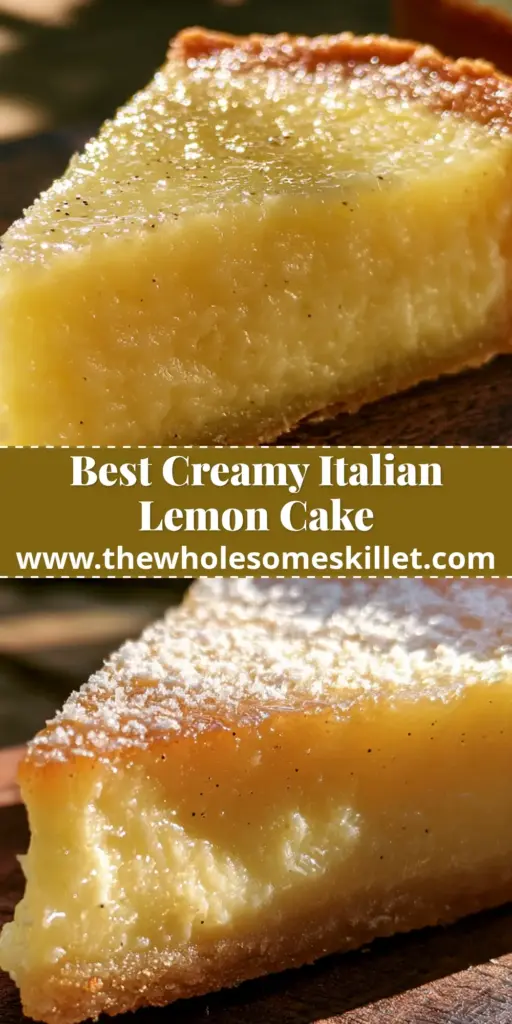
Mastering the lemon custard cake is a testament to the beauty of simple, high-quality ingredients. From the organic yolks to the vanilla bean flecks, every element works in harmony to create a dessert that is as visually stunning as it is delicious. The thick, glistening custard and the golden shortcrust are a match made in culinary heaven.
If you enjoyed this recipe, please leave a comment below and let us know how your custard turned out! Don’t forget to follow us on Pinterest for more authentic food photography and recipe inspiration. Happy baking!