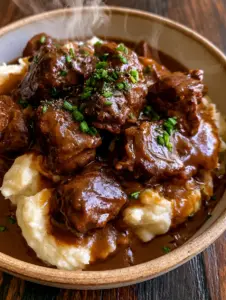
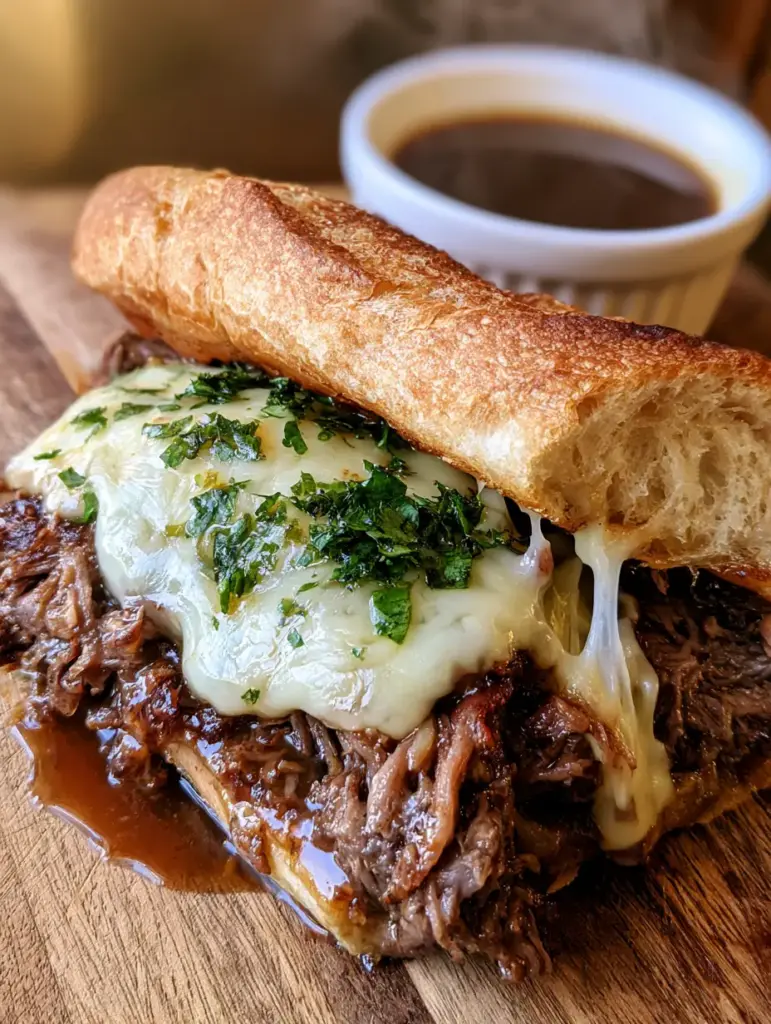
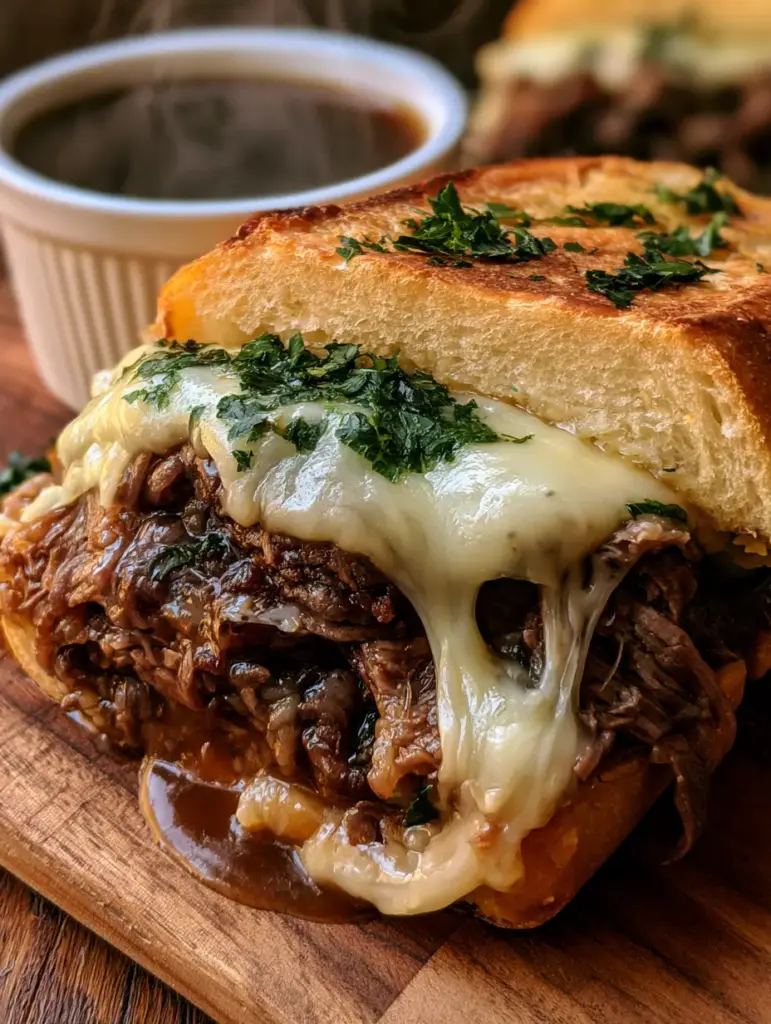
There is something undeniably primal about the perfect french dip sandwiches experience. It is not just a sandwich; it is a sensory event that begins the moment the steam hits your face from a ramekin of dark, savory broth. As you lift that golden, toasted artisan roll, you see the glistening shredded beef piled high, bound together by the stretchy, bubbling embrace of melted provolone cheese.
The secret to achieving that restaurant-quality handheld smartphone photo aesthetic lies in the contrast of textures. You want a crusty exterior that yields to a tender, juice-soaked interior. Whether you are hosting a game day gathering or a cozy Sunday dinner, these sandwiches are designed to be the centerpiece of the table. Let’s dive into the culinary science of the ultimate dip.
The Science of Succulence: Why This Recipe Works
- The Maillard Reaction: By searing the beef before slow-cooking, we develop deep Umami flavors that transfer directly into the dipping broth.
- Slow-Braised Tenderness: We utilize a low-and-slow method to break down tough connective tissues into melt-in-your-mouth collagen.
- Visual Contrast: The vibrant green of freshly chopped parsley cuts through the rich browns of the beef and the creamy whites of the provolone.
- Structural Integrity: A toasted hoagie roll isn’t just for flavor; it provides the structural dam needed to hold the au jus without becoming a soggy mess.
Essential Elements for Professional French Dip Sandwiches
Chuck Roast (3 lbs / 1.36kg): This is the holy grail for shredded beef. Its high fat content and connective tissue ensure the meat remains incredibly juicy and glistening even after hours of cooking.
Artisan Hoagie Rolls (4-6 large): Look for rolls with a sturdy crust. A soft bun will disintegrate the moment it touches the au jus, whereas an artisan roll provides that satisfying “crunch” before the “dip.”
Provolone Cheese (8-12 slices): Provolone offers the perfect balance of a mild, buttery flavor and the high oil content required for that “stretchy, bubbling” visual we see in professional food photography.
Beef Broth (4 cups / 960ml): This forms the base of your au jus. Using a high-quality, low-sodium broth allows you to control the salt levels as the liquid reduces and intensifies in flavor.
Fresh Parsley (1/2 cup / 15g): Never underestimate the power of fresh herbs. The chopped parsley adds a necessary “pop” of color and a clean, peppery finish to the heavy savory notes.
Foundational Aromatics: We include 1 large yellow onion (150g) and 4 cloves of minced garlic. These dissolve into the sauce, creating a complex flavor profile that mimics a slow-cooker comfort classic.
Must-Have Tools for the Ultimate Beef Braise
To achieve the “handheld smartphone photo” perfection, you need the right gear. A heavy-bottomed Dutch oven or a reliable slow cooker is non-negotiable for the beef. You will also need a sharp chef’s knife for that “vibrant chopped parsley” and a baking sheet to achieve the “golden-brown” toast on your rolls. A small, elegant white ramekin is the final touch for serving that steaming, dark, rich au jus.
The Master Blueprint: Crafting the Shredded Beef
Searing for Depth and Color
Start by seasoning your chuck roast generously with salt and black pepper. In a large pan, heat 2 tbsp (30ml) of high-smoke-point oil. Sear the beef on all sides for 4-5 minutes per side until a deep, dark crust forms. This crust is what gives the au jus its “rich, dark” color described in our visual prompt.
The Slow Braising Process
Place the seared beef into your slow cooker. Add the sliced onions, minced garlic, 1 tbsp (15ml) Worcestershire sauce, and the beef broth. Cook on low for 8 hours. You will know it is ready when the beef pulls apart with the slightest pressure from a fork, appearing “incredibly juicy” and “glistening with savory broth.”
Refining the Au Jus
Once the beef is cooked, remove it to a cutting board and shred it using two forks. Strain the remaining liquid through a fine-mesh sieve into a saucepan. Simmer this liquid for 10 minutes to concentrate the flavors. This creates that “steaming, dark, rich” dipping sauce that defines french dip sandwiches.
The Assembly: Achieving the Perfect Melt
Toasting the Artisan Rolls
Split your hoagie rolls and spread a thin layer of butter (1 tbsp / 15g per roll) on the cut sides. Place them under a broiler for 1-2 minutes. Watch for the edges to become “toasted” and “golden-brown.” This creates a moisture barrier against the au jus.
Layering the Textures
Pile a generous portion of the glistening shredded beef onto the bottom half of each roll. Top with 2 slices of provolone cheese. Return the open-faced sandwiches to the broiler for another 60-90 seconds until the cheese is “stretchy, bubbling,” and slightly browned in spots.
The Final Flourish
Immediately after removing from the heat, sprinkle the “fresh, vibrant chopped parsley” over the melted cheese. The heat from the cheese will slightly wake up the oils in the parsley, releasing a fresh aroma just before you close the sandwich and cut it diagonally to expose the layers.
Expert Tips for Success
- Rest the Meat: Let the shredded beef sit in a small amount of the broth for 5 minutes before assembling. This ensures every fiber is “glistening” and hydrated.
- The Cheese Pull: To get that “slightly pulling” cheese effect, serve the sandwiches immediately while the provolone is still at its peak elasticity.
- Cold Butter Hack: Use slightly cold butter on the rolls before toasting; it melts more slowly and creates a more even golden-brown crust.
- Au Jus Elevation: If your broth feels thin, whisk in 1 tsp (5g) of beef base (like Better Than Bouillon) for an even darker, richer appearance.
Storage, Reheating, and Freezing
You can store the shredded beef and au jus in an airtight container in the refrigerator for up to 4 days. When reheating, do so in a small pot over medium heat to maintain the moisture. Avoid microwaving the beef alone, as it can become rubbery. For long-term storage, the beef and broth freeze beautifully for up to 3 months. Always assemble the sandwiches fresh to ensure the rolls stay toasted and the cheese remains bubbly.
What to Serve with Savory Beef Sandwiches
These french dip sandwiches are quite rich, so pairing them with the right sides is essential. A crisp green salad or salty potato wedges are classic. If you’re looking for a full spread, consider adding a cheesy appetizer or a skillet queso to keep the party going. For a lighter side that still hits those savory notes, try a cheesy potato bake.
Yes! Cooking the beef on low for 8 hours in a slow cooker is the ideal way to achieve that perfectly shredded, juicy texture.
Toasting the rolls with butter before adding the meat creates a crispy barrier that holds up against the au jus dipping sauce.
Searing the meat thoroughly before cooking and reducing the strained cooking liquid on the stovetop will result in a dark, flavorful au jus.
A beef chuck roast is the best choice because it has the necessary fat and connective tissue to become tender and glistening after a slow braise.
While many variations exist, Provolone is the most popular choice for its excellent melting properties and mild, complementary flavor.
The Ultimate French Dip Sandwiches Recipe Card
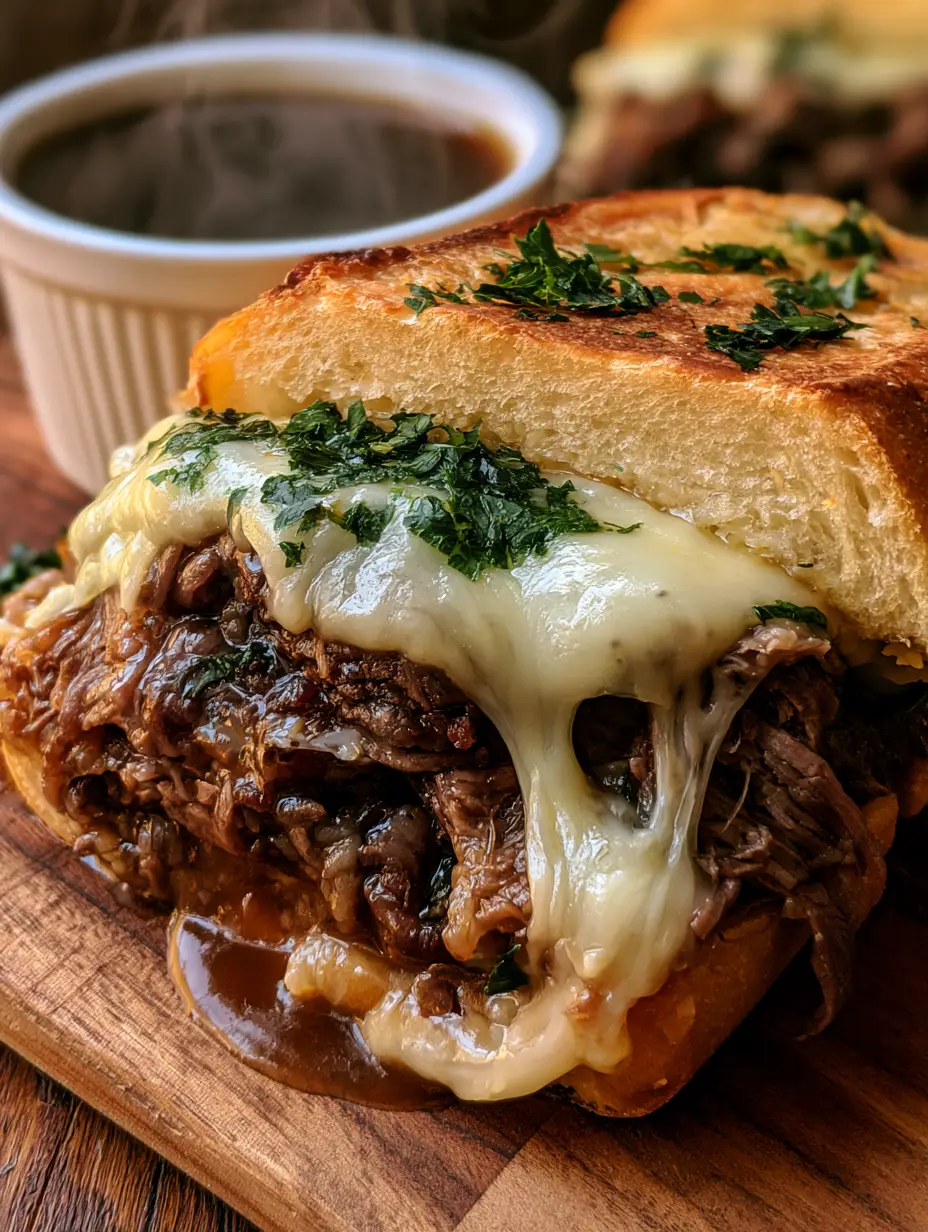
French Dip Sandwiches with Melted Provolone and Rich Au Jus
Ingredients
Equipment
Method
- Season beef with salt and pepper. In a large pan, sear all sides in oil until a deep golden-brown crust forms.
- Place beef, onions, garlic, and broth in a slow cooker. Cook on low for 8 hours until beef is juicy and shreds easily.
- Butter rolls and broil until golden-brown. Pile shredded beef onto rolls.
- Top with provolone and broil until bubbling and stretchy. Garnish with vibrant parsley.
- Strain the cooking liquid to serve as au jus in a ramekin on the side.
Notes
Always sear your beef first to ensure a rich, dark color in your au jus.

Closing & Call to Action
Mastering french dip sandwiches is a rite of passage for any home cook looking to elevate their comfort food game. The combination of the slow-cooked, glistening beef and the sharp, melted provolone creates a profile that is both rustic and refined. If you enjoyed this recipe, please leave a comment below and share your results! Don’t forget to follow us and save this recipe to your boards on Pinterest for your next dinner inspiration.