There is something fundamentally restorative about the scent of fresh citrus filling a sun-drenched kitchen on a Saturday morning. These lemon sugar cookies are designed to capture that exact essence—bright, buttery, and intensely aromatic. If you have been searching for a cookie that balances a crisp, sugar-encrusted exterior with a dense, moist, and tender yellow center, your search ends here.
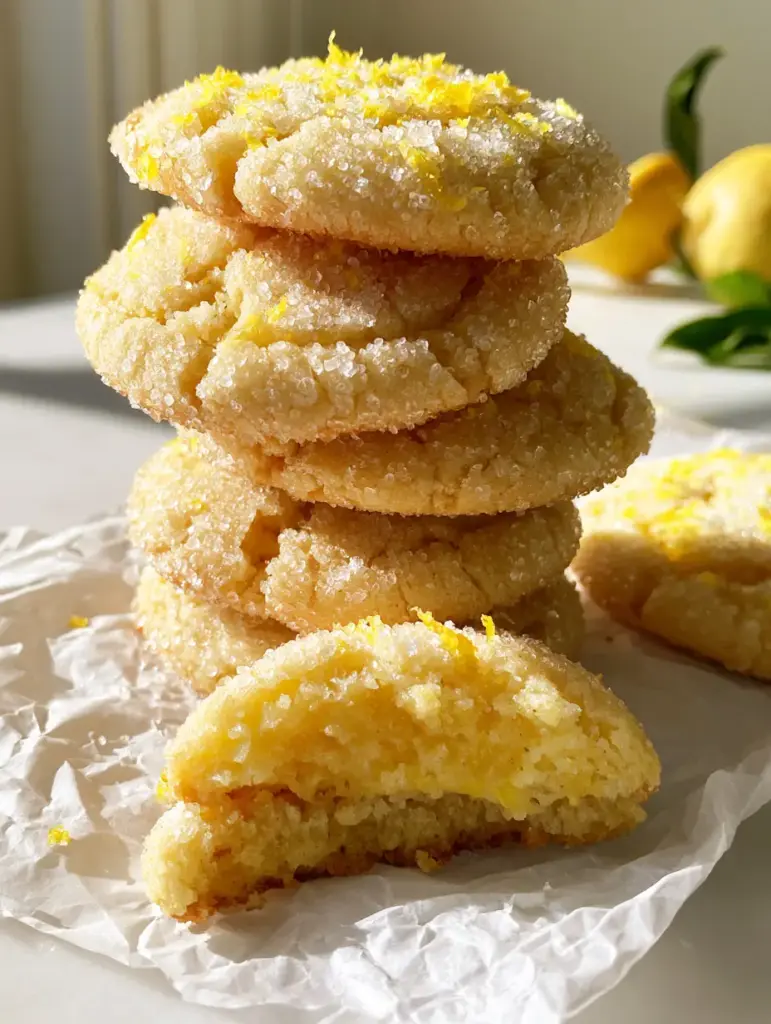
Inspired by the rustic beauty of a professional bakery display, these cookies aren’t just a treat; they are a sensory experience. We are talking about deep, natural cracks that reveal a soft interior, a heavy coating of sparkling granulated sugar, and those unmistakable tiny black flecks of real vanilla bean. Whether you are stacking them high on parchment paper for a brunch gathering or enjoying one with a cold glass of milk, these cookies deliver pure sunshine in every bite.
Making the perfect lemon sugar cookies requires more than just mixing dough; it is about understanding the synergy between high-quality fats and fresh acids. By using both lemon zest and a hint of juice, we achieve a layered citrus profile that lingers on the palate. Let’s dive into the science and soul of this recipe to ensure your kitchen produces the best batch of cookies you’ve ever tasted.
Why These Zesty Lemon Gems Stand Out From the Crowd
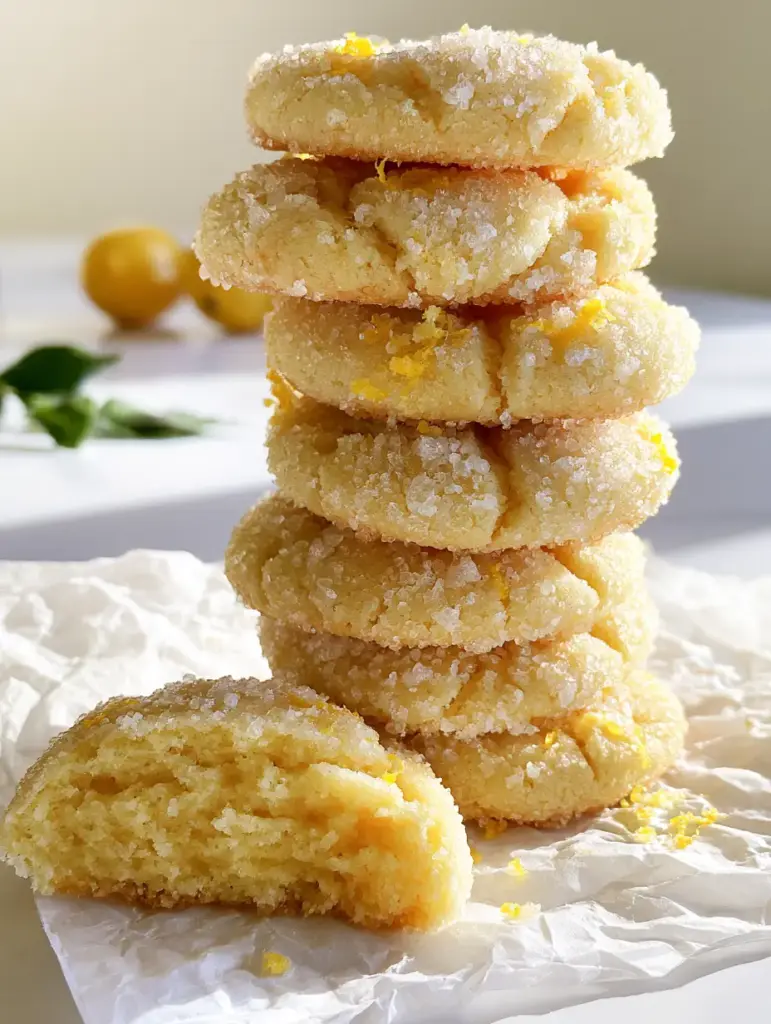
- Textural Perfection: A thick, precarious stack of these cookies reveals a satisfying crunch from the large sugar crystals, followed immediately by a buttery, melt-in-your-mouth crumb.
- Visually Stunning: The deep, natural cracks and bright yellow zest flecks make these look like they came straight from a high-end artisanal bakery.
- Dual-Lemon Impact: We use a combination of zest-rubbed sugar and fresh lemon slices to ensure the citrus flavor is punchy and vibrant, not muted or artificial.
- Vanilla Bean Depth: The addition of vanilla bean flecks provides a sophisticated floral undertone that perfectly complements the sharp acidity of the lemon.
The Essential Pantry Staples for Zesty Success
To achieve the specific “Visual Recipe Blueprint” results, every ingredient in this list serves a structural or aesthetic purpose. Do not skip the vanilla bean, as those flecks are a hallmark of a premium lemon sugar cookies experience.
Unsalted Butter (1 cup / 227g): You must use high-quality butter at room temperature (about 65°F / 18°C) to ensure the proper aeration during the creaming process. This provides the foundational fat for that moist, buttery yellow center seen in the broken cookie visual.
Granulated Sugar (1.5 cups / 300g): This is used both in the dough for sweetness and as a heavy encrusting agent on the exterior. The sugar coating draws moisture from the surface of the dough, causing it to dry out and crack beautifully during the bake.
Fresh Lemons (3 large): You will need the zest of all three and the juice of one. Rubbing the zest into the sugar before mixing releases the essential oils, which is a culinary forensic secret for maximum flavor intensity.
Vanilla Bean Paste or Pod (1 tsp / 5ml): This provides the distinctive vanilla bean flecks mentioned in the blueprint. If using a pod, scrape the seeds directly into the butter-sugar mixture.
Large Eggs (2): These provide the structure and the rich yellow hue to the cookie’s interior. Ensure they are at room temperature so they emulsify perfectly with the creamed butter.
All-Purpose Flour (3 cups / 375g): This provides the necessary protein structure to hold the “tall, precarious stack” without the cookies spreading into flat puddles.
Baking Soda (1 tsp / 5g) & Baking Powder (1/2 tsp / 2g): This specific combination creates the leavening power needed for deep, natural cracks while keeping the center dense and moist.
Kosher Salt (1/2 tsp / 3g): A vital invisible ingredient that balances the sweetness and makes the citrus notes pop on your tongue.
Powdered Sugar (for dusting): A light finishing touch that highlights the cracks and adds a professional, “sun-drenched” aesthetic to the final presentation.
Tools for the Perfect Cookie Stack
Achieving a professional result requires the right equipment to handle the dough and the bake. You will need a heavy-duty stand mixer or electric hand mixer to cream the butter and sugar until pale and fluffy—a process that should take at least 3-5 minutes.
High-quality baking sheets lined with white parchment paper are essential to prevent sticking and to reflect heat evenly. A large cookie scoop (approx. 3 tbsp / 45ml capacity) ensures that every cookie is uniform in size, which is critical for even baking and creating that tall stack. Finally, a Microplane or fine zester is necessary to get those bright yellow flecks without the bitter white pith.
Step 1: Mastering the Aromatic Lemon Sugar Base
Start by placing your granulated sugar in a large bowl. Add the zest of three lemons. Use your fingertips to massage the zest into the sugar for 2-3 minutes until the sugar looks like wet sand and smells intensely of citrus. This forensic culinary technique ensures the oils are evenly distributed.
Add the softened butter and vanilla bean flecks to the lemon sugar. Cream the mixture on medium-high speed until it is light, airy, and noticeably paler in color. This aeration is what creates the “dense but moist” texture we are aiming for in our lemon sugar cookies.
Next, add the eggs one at a time, followed by a tablespoon of fresh lemon juice. Continue mixing until the batter is smooth and emulsified. If the mixture looks curdled, simply add a tablespoon of your weighed flour to bring it back together.
Step 2: Incorporating Dry Ingredients and Chilling
In a separate bowl, whisk together the all-purpose flour, baking soda, baking powder, and salt. Gradually add the dry ingredients to the wet mixture, mixing on low speed just until no streaks of flour remain. Over-mixing at this stage will develop gluten, leading to a tough cookie rather than a tender one.
Once the dough is formed, cover it and refrigerate for at least 30 minutes. Chilling the dough is a non-negotiable step for this recipe. It allows the flour to fully hydrate and firms up the butter, which prevents the cookies from spreading too much and ensures they maintain their “thick” profile.
While the dough chills, prepare your coating station. Place an additional 1/2 cup (100g) of granulated sugar in a small bowl, mixed with a little extra lemon zest for that “heavily encrusted” look.
Step 3: Rolling, Coating, and the Art of the Bake
Preheat your oven to 350°F (175°C). Line two baking sheets with white parchment paper. Using your cookie scoop, portion out the dough into large balls (about 2 oz / 55g each). Roll each ball between your palms until smooth.
Roll the dough balls generously in the lemon-sugar mixture. You want them heavily encrusted so that as they expand in the oven, the sugar stays visible between the cracks. Place them on the parchment paper, spaced at least 3 inches (7.5cm) apart.
Bake for 10-12 minutes. Watch for the sensory cues: the edges should be set and very lightly golden, while the tops will have developed deep, natural cracks. The centers should still look slightly “underdone” and soft. This is the secret to the dense, moist yellow center mentioned in our visual prompt. If you overbake, you lose that signature moisture.
Baker’s Secrets for Perfect Crackled Tops
- The Temperature Rule: Ensure your oven is fully preheated. A hot oven hits the leavening agents immediately, causing the quick rise and fall that creates those beautiful surface cracks.
- Sugar Selection: If you want extra sparkle, use a mix of granulated sugar and “sparkling sugar” (large crystal sanding sugar) for the coating.
- The Zest Rub: Never just toss zest in. The physical action of rubbing it into the sugar is what breaks the oil sacs in the lemon peel.
- Don’t Flatten: Do not press the dough balls down before baking. Let the oven heat do the work to maintain the thickness of the cookie.
Keeping Your Cookies Fresh and Moist
Once the cookies have cooled completely on the parchment paper, they can be stored in an airtight container at room temperature for up to 4 days. To maintain the “moist yellow center,” place a small piece of white bread in the container; the cookies will absorb the moisture from the bread rather than drying out.
For longer storage, these lemon sugar cookies freeze beautifully. Place the baked cookies in a freezer-safe bag for up to 3 months. When you are ready to serve, let them thaw at room temperature for an hour. A fresh dusting of powdered sugar right before serving will make them look brand new.
Elevating the Cookie Plate
While these cookies are a star on their own, they pair beautifully with other citrus-forward or creamy desserts. For a complete dessert spread, consider serving these alongside a creamy lemon custard cake to double down on the zingy flavor. If you prefer a bit of contrast, these cookies are excellent when crumbled over Biscoff mini cheesecakes for a spiced-citrus fusion.
If you find yourself with extra lemon dough, you might also enjoy experimenting with pink sugar cookie bars or even topping these rounds with a swirl of fluffy sugar cookie frosting for an even more indulgent treat. The bright acidity of the lemon also makes them a great palate cleanser after a rich meal of chocolate peanut butter cookies.
Frequently Asked Questions
For the best flavor, fresh is essential. Bottled juice lacks the bright essential oils found in the zest, which is where most of the ‘lemon’ aroma comes from in this recipe.
Use vanilla bean paste or the seeds scraped from a fresh vanilla bean pod. Standard vanilla extract will provide flavor but won’t give you those beautiful black flecks seen in professional bakery cookies.
The combination of high butter content, room temperature eggs, and pulling them out of the oven when the centers still look slightly pale ensures they stay dense and moist rather than dry and crunchy.
Cracking usually happens when the surface dries out faster than the center. Ensure you roll the cookies heavily in granulated sugar and that your oven is fully preheated to 350°F (175°C) to create that immediate rise.
The Ultimate Lemon Sugar Cookie Recipe
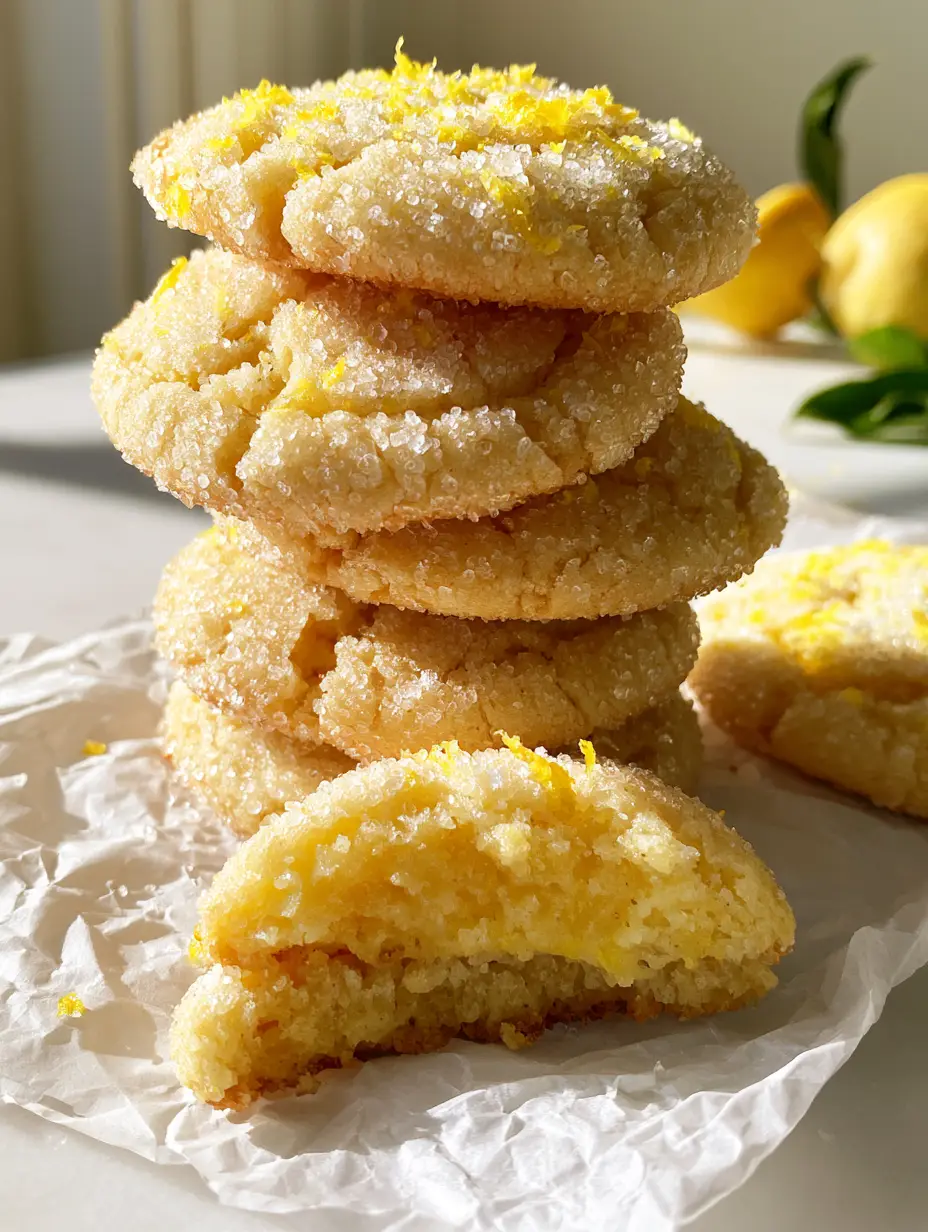
Lemon Sugar Cookies: The Ultimate Soft and Chewy Zesty Treat
Ingredients
Equipment
Method
- Rub the lemon zest into the granulated sugar with your fingertips until fragrant and damp.
- Cream the lemon sugar, butter, and vanilla bean flecks together until pale and fluffy, about 3-5 minutes.
- Mix in the eggs one at a time, followed by the lemon juice, until smooth.
- Slowly mix in the flour, baking soda, baking powder, and salt until just combined. Chill dough for 30 minutes.
- Scoop dough into 2-oz balls and roll heavily in the extra granulated sugar mixed with zest.
- Place on parchment paper and bake at 350°F (175°C) for 10-12 minutes until edges are set but centers remain soft.
- Cool completely and dust lightly with powdered sugar before serving.
Notes
Do not overbake; the centers should look slightly pale for maximum moisture.
Start Your Zesty Baking Journey Today!
These lemon sugar cookies are the perfect blend of rustic charm and refined flavor. With their sparkling sugar crust, deep cracks, and moist, buttery centers, they are guaranteed to become a staple in your baking repertoire. The combination of fresh lemon and vanilla bean creates a sophisticated profile that appeals to kids and gourmets alike.
If you enjoyed this recipe, please leave a comment below and let me know how your batch turned out! Don’t forget to snap a photo of your tall cookie stack and share it with us. For more buttery inspirations and citrus treats, be sure to follow thewholesomeskillet on Pinterest and save this recipe to your favorite dessert board.