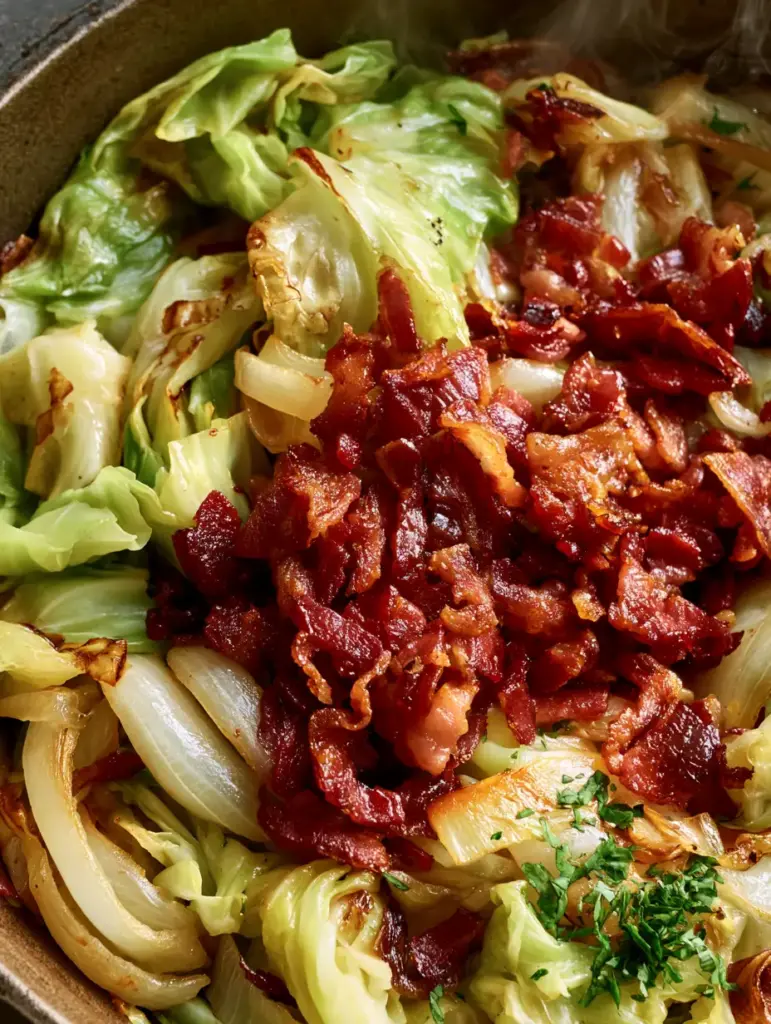
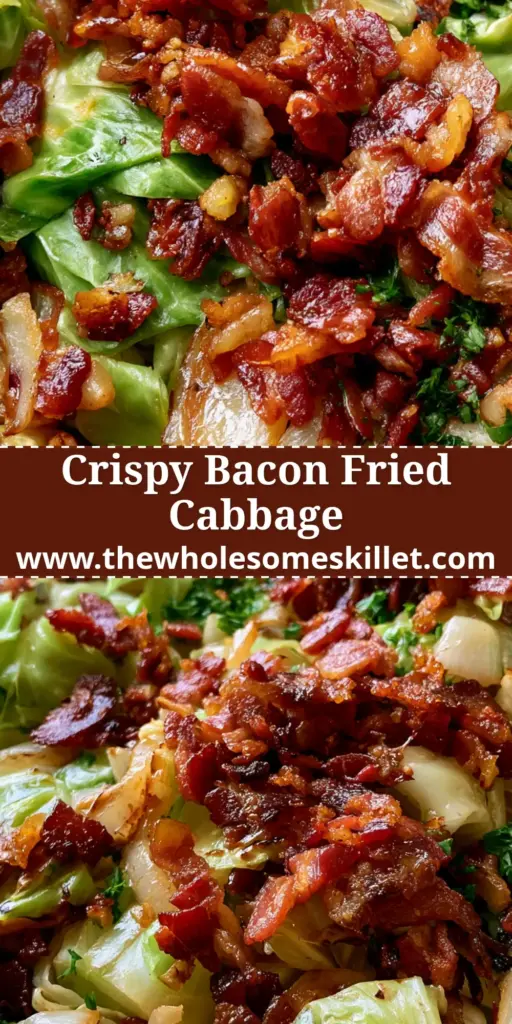
There is a specific kind of kitchen magic that happens when humble ingredients meet a screaming hot cast iron skillet. This recipe for cabbage bacon onions is the embodiment of that transformation. We are taking the simple, crunchy green cabbage and pairing it with the sharp sweetness of white onions and the salty, smoky decadence of extra-crispy bacon. The result is a dish that looks exactly like a professional food photograph—glistening, golden-brown, and heavy with the aroma of caramelized savory goodness.
When you look at this dish, you see the varying shades of tender green ribbons contrasted against the deep, burnished gold of perfectly seared edges. The steam rises in gentle wisps, carrying the scent of rendered bacon fat and softened alliums. It is a rustic, comforting masterpiece that proves you don’t need expensive ingredients to create a five-star side dish. Whether you are looking for a low-carb dinner companion or a holiday side that will outshine the turkey, this skillet preparation is your new gold standard.
Why This Sizzling Skillet Combination Works
- The Textural Trifecta: You get the soft, buttery yield of the onions, the tender-crisp bite of the cabbage, and the shatteringly crisp texture of the bacon bits.
- Maillard Reaction Mastery: By pan-frying over medium-high heat, we develop deep flavor profiles through caramelization that boiling or steaming simply cannot achieve.
- Visual Editorial Appeal: The bright pop of fresh parsley against the warm, inviting tones of the seared vegetables makes this a centerpiece-worthy side.
- One-Pan Efficiency: Everything happens in a single skillet, meaning the cabbage and onions cook directly in the rendered bacon fat for maximum flavor infusion.
The Essential Component Checklist for Maximum Flavor
To achieve the hyperrealistic, professional quality described in our visual blueprint, every ingredient serves a structural and culinary purpose. Here is what you need to gather for the perfect cabbage bacon onions experience.
1 Head Green Cabbage (approx. 2 lbs / 900g): Choose a heavy, tightly packed head. We will chop this into 1-inch (2.5cm) pieces to ensure it wilts slightly while maintaining a charred exterior.
6 Slices Thick-Cut Bacon (170g): Thick-cut is essential here. It provides enough fat to render out for the vegetables and stays “glistening and extra-crispy” even after being tossed with the moist cabbage.
2 Large White Onions (300g): White onions provide a sharper bite than yellow ones, which mellows into a beautiful sweetness once caramelized in the skillet.
2 Tbsp (30g) Unsalted Butter: This is our “invisible” foundational ingredient. Butter helps bridge the gap between the smoky bacon fat and the earthy cabbage, aiding in that golden-brown finish.
1 Tsp (5g) Kosher Salt and 1/2 Tsp (2g) Cracked Black Pepper: Critical for seasoning. Cabbage is a literal sponge for salt; without it, the dish will taste flat despite the bacon.
1/4 Cup (10g) Fresh Flat-Leaf Parsley: The final garnish. It must be fresh and finely chopped to provide the color contrast seen in high-end food photography.
1 Tbsp (15ml) Apple Cider Vinegar: A secret pro-tip. A splash of acidity right at the end cuts through the richness of the bacon fat and brightens the entire flavor profile.
Pro-Grade Skillet Essentials
To get those “golden-brown edges” and “tender green” hues, you need the right conductivity. A 12-inch (30cm) cast iron skillet is the preferred vessel. The heavy bottom retains heat better than stainless steel, allowing for a superior sear on the cabbage without it becoming mushy. If you don’t have cast iron, a heavy-bottomed non-stick pan will work, but you may lose some of that rustic char.
You will also need a sharp chef’s knife for precise chopping and a sturdy metal spatula. The spatula is key for scraping up the “fond”—those flavorful brown bits stuck to the bottom of the pan after the bacon and onions have cooked.
Mastering the Pan-Fry: Step-by-Step Instructions
Phase 1: Rendering the Liquid Gold
Start by placing your chopped bacon into the cold skillet. Turn the heat to medium. By starting cold, you allow the fat to render out slowly, resulting in those “extra-crispy bacon bits” without burning the edges. Cook until the bacon is deep mahogany and glistening. Use a slotted spoon to remove the bacon, leaving the fat in the pan. Set the bacon aside on a paper towel.
Phase 2: The Caramelized Onion Foundation
Increase the heat to medium-high. Add your sliced white onions to the shimmering bacon fat. Sauté them for about 8-10 minutes. Look for the visual cue: the onions should transition from opaque white to a translucent, golden-straw color. They should smell sweet and slightly nutty. This is the base of your cabbage bacon onions flavor profile.
Phase 3: Searing the Cabbage Ribbons
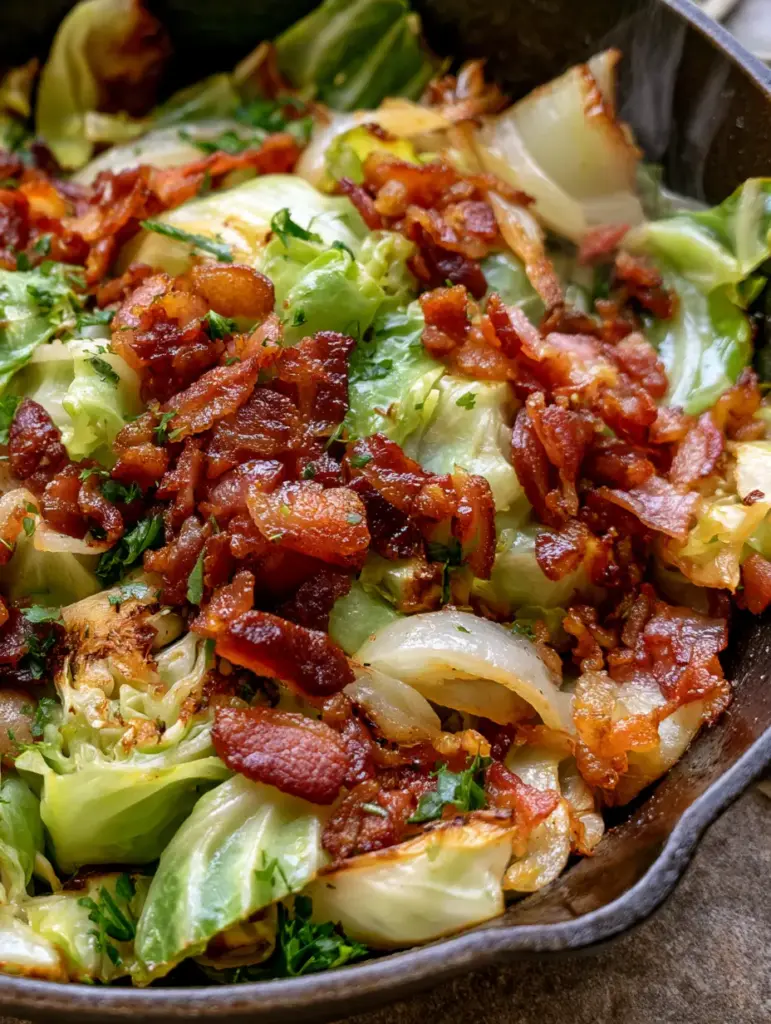
Add the chopped green cabbage to the skillet in batches if necessary. Do not overcrowd the pan initially; you want the cabbage to hit the hot surface to get those golden-brown edges. Add the butter now. Toss the cabbage frequently, but allow it to sit undisturbed for 60 seconds at a time to develop a sear. You are looking for a mix of tender, vibrant green pieces and charred, crispy bits.
Phase 4: The Final Fusion and Garnish
Once the cabbage has softened but still retains a bit of “snap,” stir the crispy bacon bits back into the pan. Sprinkle with the salt, pepper, and that splash of apple cider vinegar. Give it one final toss over high heat. The steam should be rising gently now. Remove from heat and immediately top with a generous handful of fresh chopped parsley.
Advanced Sauté Techniques for Culinary Success
- Don’t Over-Stir: The biggest mistake home cooks make is moving the cabbage too much. Let it sit! That contact with the hot iron is what creates the “editorial style” charred look.
- Dry Your Cabbage: If you wash your cabbage right before cooking, ensure it is bone-dry. Excess water will steam the vegetable rather than fry it, leading to a soggy texture.
- The Fond Factor: If the bottom of the pan looks like it’s burning, don’t panic. That is flavor. The moisture from the onions and cabbage will naturally deglaze the pan as they cook.
Preserving the Perfect Crunch: Storage & Reheating
This dish is best served immediately while the bacon is at its peak crispness. However, if you have leftovers, store them in an airtight container in the refrigerator for up to 4 days. To reheat, avoid the microwave as it will turn the cabbage rubbery and the bacon soft.
Instead, toss the cabbage bacon onions back into a dry skillet over medium heat. Heat for 5-7 minutes, tossing occasionally, until the bacon begins to sizzle again and the cabbage is warmed through. This method preserves the structural integrity of the dish.
What to Serve With This Skillet Masterpiece
This savory side is incredibly versatile. It pairs beautifully with a hearty cheesy chicken bacon casserole for a full-flavor dinner. If you are leaning into the comfort food vibes, it is a natural partner for a bowl of potato bacon chowder.
For those who love the combination of sweet and savory, try serving this alongside a bacon tomato onion tart or even as a warm side to traditional stuffed cabbage rolls. The smoky bacon notes in this skillet dish complement almost any protein, from roasted chicken to grilled pork chops.
Frequently Asked Questions
You can, but be aware that red cabbage takes longer to soften and will bleed its color, turning the onions and bacon a purplish hue. It won’t have the same vibrant green and gold contrast.
No. Adding water will steam the cabbage. The moisture released by the onions and the fat from the bacon and butter provide all the liquid needed to cook the cabbage while allowing it to sear.
The secret is two-fold: ensure the cabbage is completely dry before adding it to the skillet, and use high heat (medium-high). Do not cover the pan, as this traps steam and softens the vegetable too much.
Yes! Cabbage bacon onions are naturally low in carbohydrates and high in healthy fats from the bacon and butter, making it an excellent side dish for ketogenic or low-carb lifestyles.
Remove the tough outer leaves and the core. Slice the head into thick 1-inch (2.5cm) ribbons, then cut those ribbons crosswise to create large square-ish chunks. This size holds up best to the high-heat sauté.
The Perfect Cabbage Bacon Onions Recipe
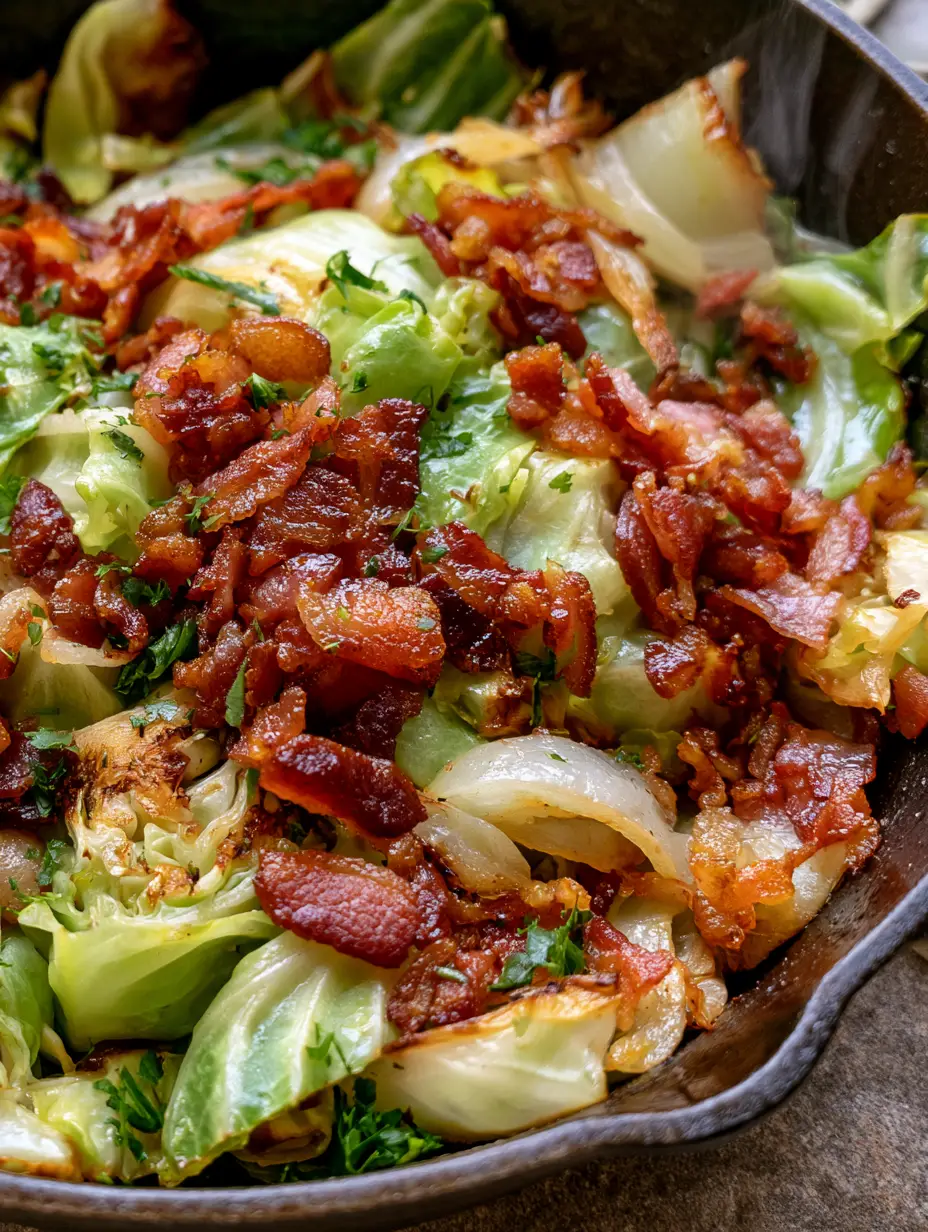
Cabbage Bacon Onions: The Ultimate Crispy Skillet Side Dish
Ingredients
Equipment
Method
- Add chopped bacon to a cold 12-inch (30cm) skillet. Turn heat to medium and cook until the bacon is extra-crispy and glistening. Remove bacon with a slotted spoon, leaving the rendered fat in the pan.
- Increase heat to medium-high. Add sliced white onions to the bacon fat. Sauté for 8-10 minutes until caramelized and sweet, showing golden edges.
- Add the chopped green cabbage and 2 tbsp (30g) butter to the skillet. Cook for 10-12 minutes, stirring occasionally, until the cabbage shows golden-brown edges and varies from tender green to charred.
- Stir the crispy bacon bits back into the pan. Add 1 tbsp (15ml) apple cider vinegar, salt, and pepper. Toss well to combine and deglaze the pan.
- Remove from heat and sprinkle generously with 1/4 cup (10g) fresh chopped parsley. Serve immediately in the rustic skillet.
Notes
Do not wash the cabbage immediately before cooking; ensure it is dry to achieve the best sear.
Closing & Call to Action
There is nothing quite like a plate of cabbage bacon onions to bring a sense of rustic elegance to your dinner table. The contrast of the sweet, caramelized onions against the salty, extra-crispy bacon is a flavor profile that never goes out of style. It’s affordable, fast, and visually stunning—hitting every mark for a perfect home-cooked meal.
If you enjoyed this recipe, please leave a comment below and let me know how your skillet turned out! Did you get those perfect golden edges? Don’t forget to share your creations and follow us on Pinterest for more skillet-inspired inspiration. Happy cooking!