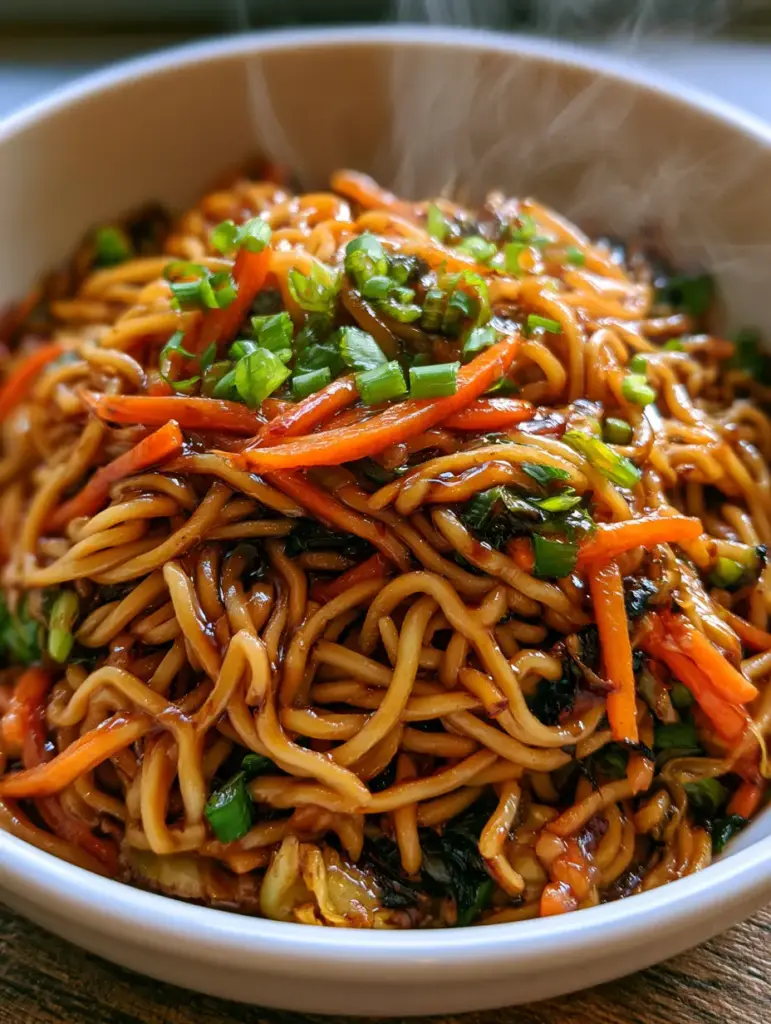
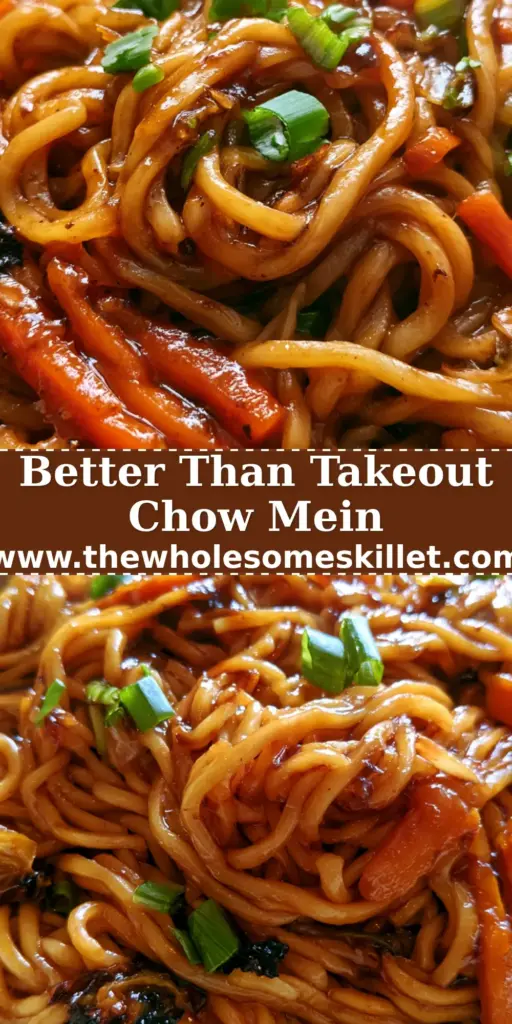
There is nothing quite like a steaming bowl of authentic chow mein, where the aroma of toasted sesame and savory garlic fills the air. Imagine tender, thin egg noodles tossed in a glistening dark umami sauce that perfectly coats every strand.
The secret to this dish lies in the contrast of textures: the soft bite of the noodles against the crunch of fresh bean sprouts and vibrant julienned carrots. When prepared correctly, you get those sought-after charred cabbage bits that add a smoky depth to every mouthful.
Whether you are craving a quick weeknight dinner or looking to master the art of the wok, this recipe delivers professional results. Let’s dive into the science of the perfect stir-fry and bring this classic takeout staple to your home kitchen.
Why This Glistening Vegetable Stir-Fry Works
- Perfect Texture Contrast: By using high-heat techniques, we achieve charred cabbage and crisp-tender carrots while keeping the noodles supple.
- The Umami Factor: A specific blend of dark soy sauce and aromatics creates a deep, complex flavor profile that mimics the best Cantonese kitchens.
- Visual Brilliance: The natural window light reflects off the glossy sauce, making the dish look as incredible as it tastes.
- Speed and Efficiency: Once the prep is done, the actual cooking happens in under ten minutes, making it ideal for busy evenings.
The Anatomy of an Authentic Chow Mein Ingredient List
Thin Egg Noodles (12oz / 340g): These are the backbone of the dish; look for “Chow Mein” style noodles which are thin and slightly chewy to hold the heavy sauce.
Dark Soy Sauce (2 tbsp / 30ml): Unlike light soy, dark soy sauce provides that iconic deep mahogany color and a thick, syrupy umami punch.
Shredded Green Cabbage (2 cups / 150g): When sliced thin, cabbage wilts slightly but maintains a “bite,” catching those beautiful charred edges in the wok.
Fresh Bean Sprouts (1 cup / 100g): These provide a high-moisture crunch and should be added at the very end to prevent them from becoming soggy.
Julienned Carrots (1/2 cup / 60g): These vibrant orange slivers add a natural sweetness and a pop of color that stands out against the dark noodles.
Slivered Onions and Scallions: Using both yellow onions for sweetness and green scallions for freshness creates layers of onion flavor throughout the dish.
Minced Garlic (3 cloves / 15g): Essential for the foundational aroma that permeates the oil and eventually the entire stir-fry.
Sesame Seeds and Toasted Sesame Oil: A garnish of seeds adds a nutty texture, while the oil provides the final aromatic finish that defines high-quality Asian cuisine.
Vegetable Oil (3 tbsp / 45ml): A high-smoke point oil is necessary to achieve the “wok hei” or “breath of the wok” without burning the ingredients.
Essential Tools for Mastering the Wok
To achieve the shallow depth of field and realistic texture seen in professional culinary photography, the cooking process must be precise. You will need a heavy-bottomed carbon steel wok or a large cast-iron skillet to retain heat.
A set of long kitchen tongs or a wok spatula is vital for tossing the noodles rapidly, ensuring they are evenly coated in the glistening dark umami sauce. Finally, a sharp chef’s knife is non-negotiable for achieving those perfect julienned carrots and slivered onions.
Step-by-Step Evolution of the Perfect Stir-Fry
Preparing the Noodle Foundation
If using dried egg noodles, boil them in salted water for 1-2 minutes less than the package instructions. They should be “al dente” as they will finish cooking in the wok later.
Drain the noodles and immediately toss them with a teaspoon of oil to prevent sticking. Spread them out on a tray to air-dry for 5 minutes; this helps them sear rather than steam when they hit the hot pan.
Building the Dark Umami Sauce
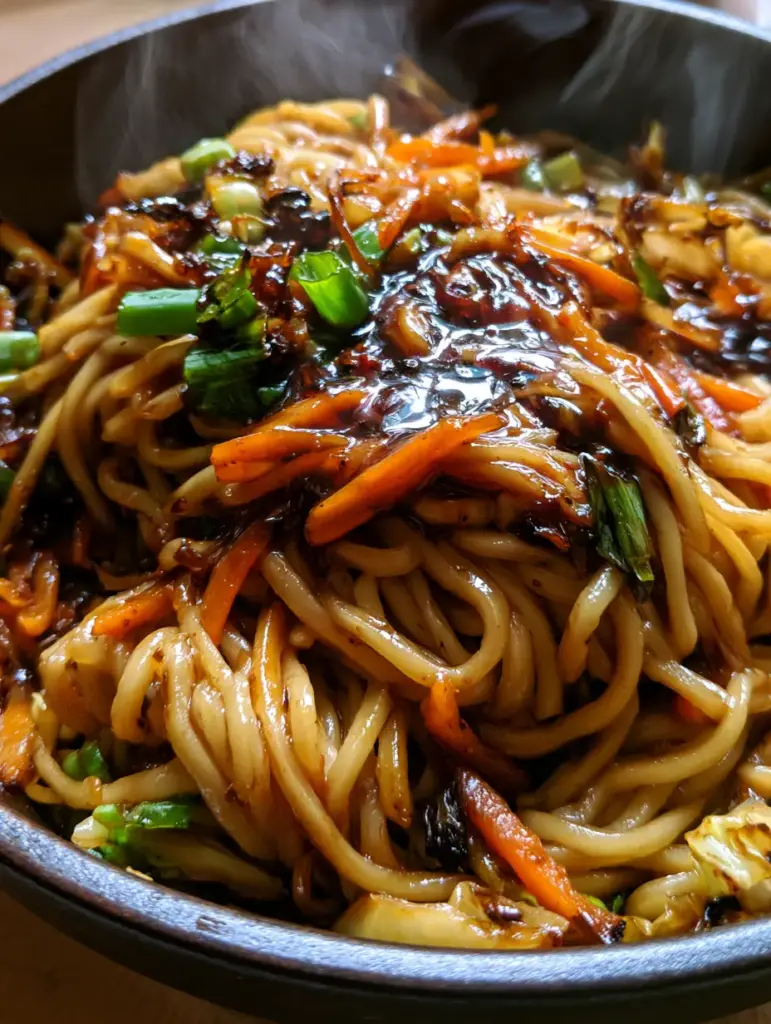
In a small bowl, whisk together the dark soy sauce, a splash of light soy sauce, a pinch of sugar, and a teaspoon of cornstarch. The cornstarch is the “invisible ingredient” that creates that glossy, light-reflecting sheen seen in our visual blueprint.
Set this mixture aside so it is ready to go the moment the vegetables are seared. Stir-frying is a fast-paced game, and having your sauce prepped is the key to success.
Searing the Aromatics and Vegetables
Heat your wok until it is smoking slightly. Add the vegetable oil, followed immediately by the slivered onions and minced garlic, stirring for only 30 seconds until fragrant.
Toss in the shredded cabbage and julienned carrots. Spread them against the sides of the wok and let them sit for 45 seconds without stirring—this is how you achieve those charred cabbage bits that add smoky complexity.
The Final Toss and Garnish
Add the par-boiled noodles to the wok, followed by the sauce. Use high heat and toss vigorously for 2 minutes until the noodles turn a deep brown and the sauce has thickened to a glisten.
In the final 30 seconds, fold in the fresh bean sprouts and chopped scallions. Turn off the heat and finish with a sprinkle of sesame seeds, allowing the residual heat to soften the sprouts slightly while maintaining their snap.
Expert Tips for Success
- The Heat is Key: Never crowd the pan. If your wok isn’t large enough, cook the noodles and vegetables in two batches to ensure they sear instead of boiling.
- Noodle Dryness: Ensure your noodles are relatively dry before adding them to the oil. Excess water will prevent the sauce from “clinging” to the noodle surface.
- Sauce Balance: If you find the dark soy too intense, you can balance it by adding a teaspoon of homemade teriyaki sauce for a touch of honeyed sweetness.
- Freshness Matters: Always use fresh bean sprouts. Canned versions are too soft and will ruin the structural integrity of your authentic chow mein.
How to Store and Revive Your Leftovers
Chow mein stores exceptionally well in the refrigerator for up to 3 days in an airtight container. Because the noodles are coated in oil and sauce, they don’t dry out as quickly as plain pasta.
To reheat, avoid the microwave if possible. Instead, toss the leftovers in a hot skillet with a tablespoon of water or broth to loosen the sauce and restore that glistening texture.
Complementary Dishes to Complete Your Feast
This vegetable-forward dish is the perfect base for a larger spread. If you are looking for more protein, consider serving it alongside our Beef and Broccoli Bowls or even some Brown Sugar Salmon for a fusion twist.
For those who love a variety of textures, these noodles pair beautifully with crispy appetizers or even a refreshing side like Lemon Ricotta Spaghetti if you’re hosting a multi-cuisine noodle party!
Common Questions About Authentic Stir-Fry
To make it gluten-free, substitute the egg noodles with rice sticks and use Tamari or a gluten-free dark soy sauce alternative.
While a carbon steel wok is traditional for achieving high heat, a large cast-iron or heavy stainless steel skillet can also produce excellent results if preheated properly.
The deep mahogany color comes specifically from Dark Soy Sauce, which is thicker and less salty than regular soy sauce, used primarily for its intense pigment and caramel-like flavor.
The primary difference is the cooking method. Chow Mein involves frying the noodles until they are slightly crisp or seared, whereas Lo Mein involves tossing par-boiled noodles with sauce so they remain soft.
Soggy noodles usually result from overboiling or not drying them before stir-frying. Always cook them al dente and let them air-dry so they sear in the hot oil.
The Final Authentic Chow Mein Recipe
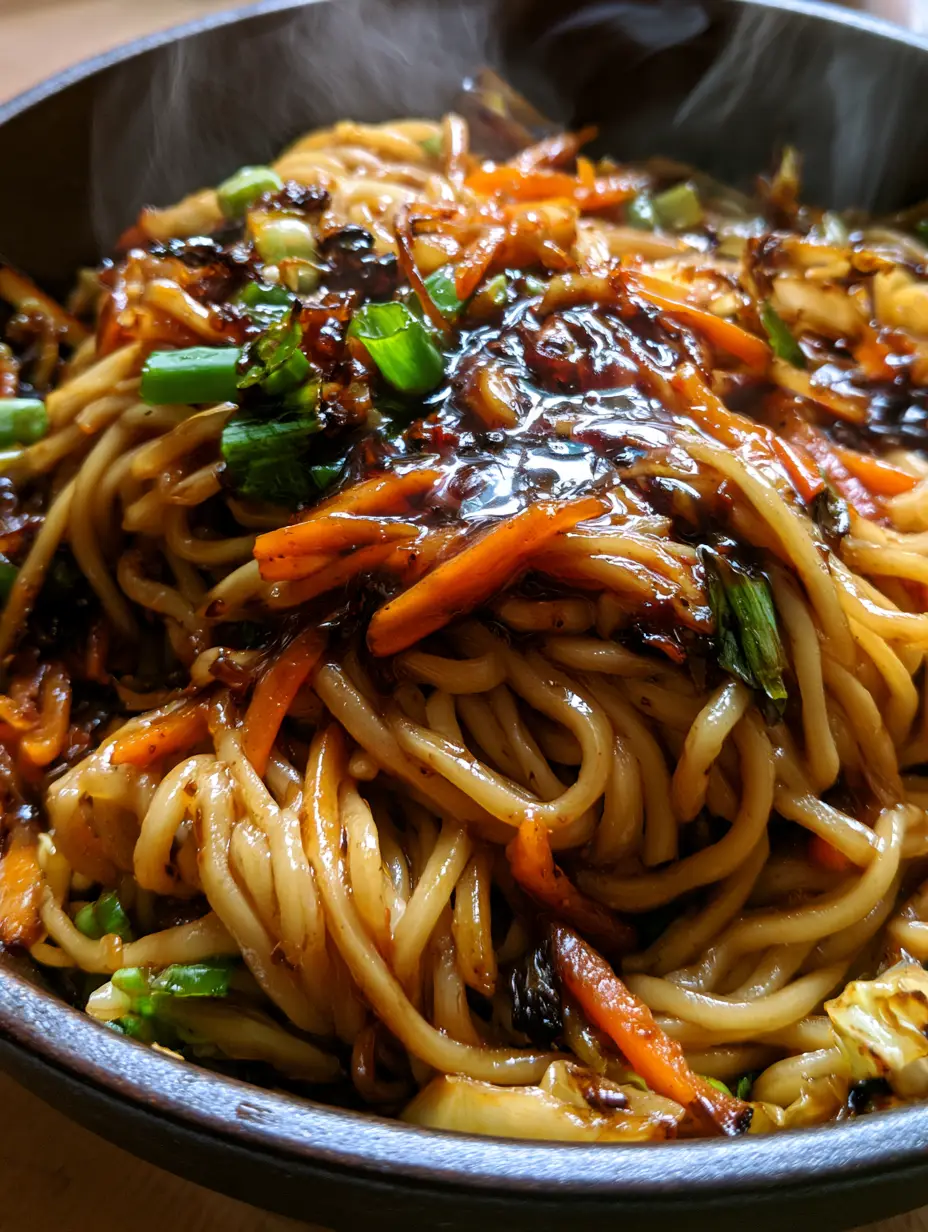
Authentic Chow Mein: The Ultimate Restaurant-Style Stir-Fry Guide
Ingredients
Equipment
Method
- Cook egg noodles in boiling water for 1-2 minutes less than the package instructions until al dente.
- Drain thoroughly and toss with a teaspoon of oil. Spread them on a tray to air-dry briefly.
- Heat oil in a wok until shimmering. Add garlic and onions, stir-fying for 30 seconds until fragrant.
- Add cabbage and carrots. Let them sit undisturbed for 45 seconds to achieve charred bits before tossing.
- Add noodles and the whisked sauce mixture. Toss vigorously over high heat for 2 minutes until glistening and dark brown.
- Fold in bean sprouts and scallions for the last 30 seconds. Garnish with sesame seeds.
Notes
Ensure the wok is smoking hot before adding ingredients to prevent steaming.
Join the Wholesome Skillet Community!
Mastering the art of the stir-fry is a journey, and this authentic chow mein is the perfect place to start. If you enjoyed the smoky charred cabbage and the deep umami flavors of this dish, we want to hear about it!
Leave a comment below and tell us how yours turned out. Don’t forget to follow us on Pinterest for more culinary inspiration and high-RPM recipe guides. Happy cooking!