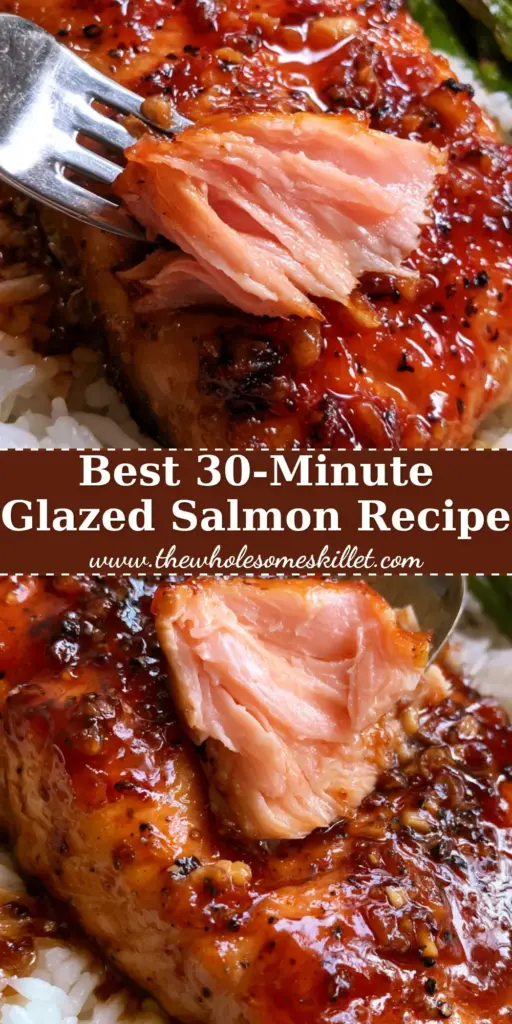
When you imagine the perfect weeknight meal, your mind likely drifts toward something that is both incredibly fast and undeniably gourmet. This brown sugar salmon is the physical manifestation of that dream. Imagine a thick, succulent fillet of pink salmon, pan-seared until it reaches a state of tender perfection, then draped in a dark, bubbling, and intensely sticky glaze that catches the light like a culinary jewel.
The beauty of this brown sugar salmon lies in the contrast of textures. The exterior is caramelized and slightly tacky to the touch, while the interior remains moist and flakes away at the mere suggestion of a silver fork. Accompanied by fluffy jasmine rice and charred asparagus, it’s a complete sensory experience captured in a single pan.
Whether you are a seasoned home cook or just starting your culinary journey, this recipe provides the “wow factor” usually reserved for high-end bistros. It’s a dish that looks like a handheld smartphone photo from a professional food stylist—vibrant, glistening, and utterly inviting.
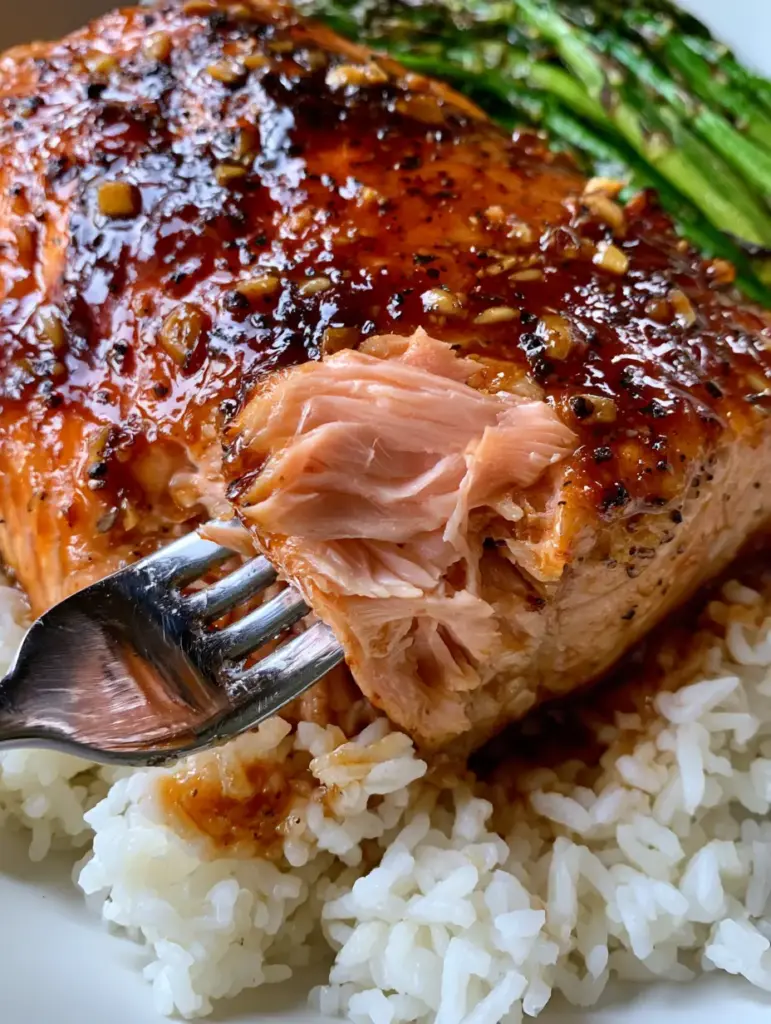
Why You Will Crave This Glistening Glazed Salmon
- The Perfect Texture: Thanks to the high sugar content in the glaze, you achieve a “bubbling” exterior that creates a slight crust while keeping the pink center succulent.
- Balanced Flavor Profile: The deep umami of dark soy sauce perfectly offsets the molasses notes of the brown sugar, accented by sharp garlic and cracked black pepper.
- Visual Appeal: With vibrant green charred asparagus and snowy white jasmine rice, this plate offers a restaurant-quality presentation that is naturally beautiful.
- Efficient Preparation: This brown sugar salmon goes from the fridge to the table in under 30 minutes, making it the king of weekday luxury.
The Culinary Anatomy of a Perfect Brown Sugar Glaze
To achieve the visual and flavorful depth required for this brown sugar salmon, every ingredient serves a specific structural purpose. We aren’t just making a sauce; we are building a glaze that clings to the fish like a second skin.
Fresh Salmon Fillets: You’ll need 2 large (approx. 6oz/170g each) fillets. Look for vibrant pink flesh with consistent marbling to ensure the “huge, moist flakes” described in our visual blueprint.
Dark Brown Sugar: 1/2 cup (100g) of packed dark brown sugar is essential. The higher molasses content compared to light brown sugar provides that “dark soy and brown sugar glaze” look and a deeper caramelization.
Dark Soy Sauce: 3 tbsp (45ml) of dark soy sauce provides the rich, mahogany color and the saltiness needed to balance the sugar. If you prefer a more complex profile, you might compare this to a homemade teriyaki sauce.
Fresh Minced Garlic: 3 cloves (approx. 15g) of garlic, finely minced. These bits become suspended in the glaze, providing those “visible bits of minced garlic” that add texture and aroma.
Cracked Black Pepper: 1 tsp (2g) of coarsely cracked pepper. The coarse grind is vital for the visual “cracked black pepper” aesthetic and provides sharp bursts of heat against the sweet glaze.
Fresh Parsley: 2 tbsp (8g) of finely chopped fresh parsley. This is our “fresh chopped parsley” garnish that adds a necessary pop of green and a hit of brightness to the finished dish.
Invisible Essentials: You will also need 1 tbsp (15ml) of neutral high-heat oil (like avocado oil) for searing the salmon and 1 tbsp (15g) of unsalted butter to emulsify the glaze at the end for that “glistening” finish.
The Foundation: 1 cup (185g) of dry Jasmine rice and 1 lb (450g) of fresh green asparagus spears. These complete the meal as specified in our visual recipe blueprint.
Essential Kitchen Tools for the Perfect Sear
Achieving the “succulent salmon” and “charred asparagus” requires specific heat management. A heavy-bottomed 12-inch stainless steel or cast-iron skillet is your best friend here. These materials hold heat exceptionally well, allowing for a hard sear without dropping temperature when the cold fish hits the pan.
You will also need a wide fish spatula to flip the fillets without breaking those delicate pink flakes. A small saucepan is ideal for preparing the jasmine rice, ensuring it remains “steaming and fluffy.” For the asparagus, a baking sheet or the same large skillet can be used to achieve those “vibrant, charred” spears.
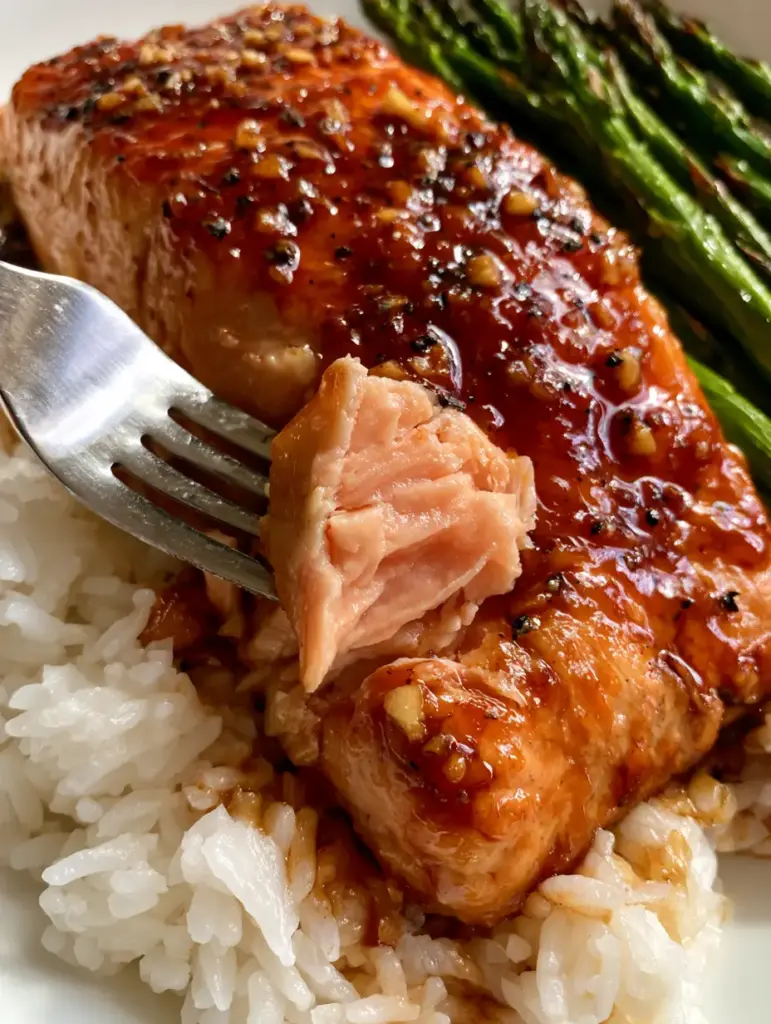
Step-by-Step: Mastering the Art of the Pan-Seared Flake
Preparing the Jasmine Rice and Asparagus
First, rinse 1 cup (185g) of jasmine rice under cold water until the water runs clear. In a small pot, combine the rice with 1.5 cups (350ml) of water and a pinch of salt. Bring to a boil, then reduce to a low simmer, cover, and cook for 15 minutes. Once done, let it sit covered for 5 minutes before fluffing with a fork to achieve that “steaming, fluffy” texture.
While the rice simmers, toss your asparagus spears with 1 tbsp (15ml) of olive oil, salt, and pepper. Arrange them on a baking sheet and roast at 425°F (220°C) for 10-12 minutes. You are looking for the tips to become slightly crispy and the stalks to show “vibrant, charred” marks, just like in our brown sugar salmon visual prompt.
Searing the Salmon to Perfection
Pat your salmon fillets bone-dry with paper towels. This is a crucial culinary step; moisture is the enemy of a good sear. Season the fillets lightly with salt (keep in mind the soy sauce is salty). Heat 1 tbsp (15ml) of oil in your skillet over medium-high heat until it just begins to shimmer.
Carefully place the salmon in the pan. Press down lightly with your spatula for 10 seconds to ensure even contact. Sear for 4-5 minutes without moving them. You will know it’s time to flip when the salmon releases easily from the pan and the sides have turned opaque halfway up the fillet.
The Glazing Transformation
In a small bowl, whisk together the dark brown sugar, dark soy sauce, minced garlic, and cracked black pepper. Once the salmon is flipped, pour this mixture directly into the pan. Add the 1 tbsp (15g) of butter. The high heat will cause the mixture to immediately start “bubbling.”
Use a spoon to continuously baste the salmon with the liquid. As the water in the soy sauce evaporates, the sugar will caramelize, creating a “sticky, glistening dark brown sugar glaze.” Continue this for 2-3 minutes until the glaze has thickened and the salmon is cooked to an internal temperature of 125-130°F (52-54°C) for a medium-rare, moist center.
Pro Tips for Achieving a Bubbling, Sticky Finish
- The “Dry” Rule: Always pat the salmon dry. If the fish is wet, it will steam instead of sear, and the glaze won’t adhere to the surface.
- Don’t Overcook: Salmon continues to cook for a few minutes after being removed from the heat (carry-over cooking). Pull it off the pan when it still looks slightly translucent in the very center.
- Glaze Consistency: If your glaze becomes too thick or “candy-like,” simply add a teaspoon of water to thin it out back to a glistening consistency.
- Aromatic Timing: Adding the garlic into the glaze mixture rather than sautéing it first prevents the garlic from burning, keeping those “visible bits” sweet and fragrant.
Keeping Your Leftovers Fresh and Flaky
If you find yourself with extra brown sugar salmon, it stores remarkably well. Place the fillets in an airtight container with any remaining glaze drizzled over the top. It will stay fresh in the refrigerator for up to 2 days. For a different lunch the next day, try flaking the cold salmon into lemon ricotta spaghetti for a bright, creamy contrast.
To reheat, avoid the microwave, which can make the fish rubbery. Instead, place the salmon in a covered skillet over low heat with a splash of water for 3-5 minutes. This gently steams the fish back to temperature while reviving the “sticky” nature of the glaze.
Flavor Pairings: What to Serve Alongside Your Glazed Fillets
The bold, sweet, and savory profile of this brown sugar salmon pairs beautifully with sides that offer acidity or a crunch. While we’ve included jasmine rice and charred asparagus, you could also serve this over authentic chow mein for a fusion-style feast.
If you’re looking for more vegetable variety, consider serving a side of honey glazed roasted carrots to double down on the roasted sweetness. The richness of the salmon also contrasts beautifully with the light, citrusy notes of Italian chicken pasta if you are hosting a multi-course dinner.
Your Pressing Questions Answered
Yes, but dark brown sugar is preferred for its higher molasses content, which results in a deeper color and a thicker, more ‘bubbling’ glaze texture.
The salmon is done when it reaches an internal temperature of 125-130°F (52-54°C). Visually, it should flake easily with a fork while remaining moist and slightly translucent in the center.
It can be! Simply replace the dark soy sauce with Tamari or a gluten-free soy alternative to make the entire meal gluten-friendly.
For this specific recipe, skin-on or skinless both work. If using skin-on, sear the skin side first to get it crispy before flipping into the brown sugar glaze.
A runny glaze usually means it hasn’t reduced enough. Continue basting the salmon over medium-high heat for another minute; the sugar will naturally thicken as moisture evaporates.
The Ultimate Brown Sugar Salmon Recipe
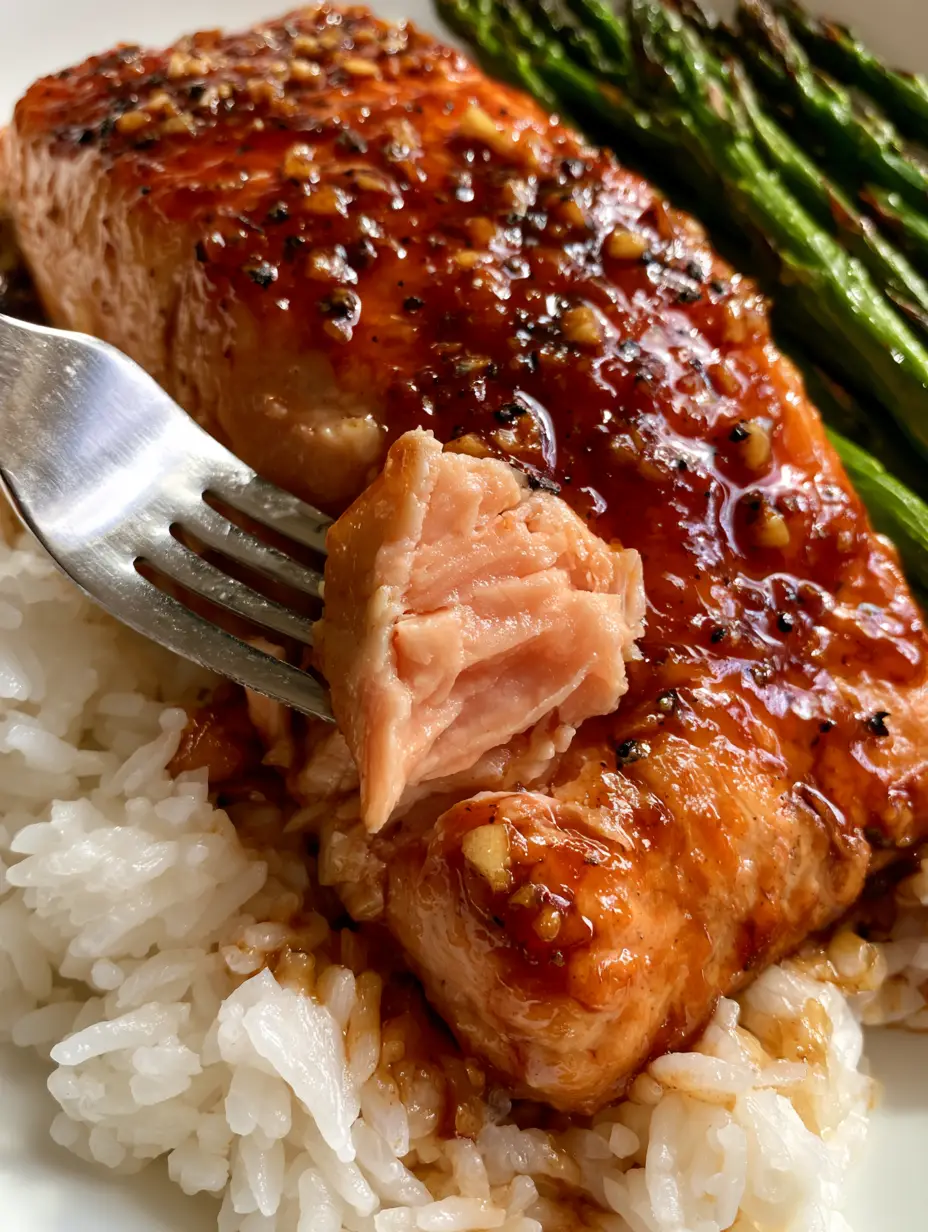
Brown Sugar Salmon: The Ultimate 20-Minute Sticky Glazed Dinner
Ingredients
Equipment
Method
- Rinse jasmine rice. Combine with 1.5 cups (350ml) water and salt. Simmer covered for 15 minutes, then fluff with a fork.
- Toss asparagus with olive oil, salt, and pepper. Roast at 425°F (220°C) for 10-12 minutes until vibrant and charred.
- Pat salmon fillets dry. Heat oil in skillet over medium-high heat. Sear salmon for 4-5 minutes until a golden crust forms and it releases easily.
- Flip the salmon. Pour in whisked brown sugar, soy sauce, garlic, and pepper. Add butter. Baste constantly for 2-3 minutes as the glaze becomes bubbling and sticky.
- Remove from heat. Serve over a mound of rice with asparagus. Garnish with cracked pepper and chopped parsley.
Notes
Use dark soy sauce specifically for that deep, mahogany visual appeal.
The Final Flake: A Dinner to Remember
This brown sugar salmon isn’t just a meal; it’s a testament to how simple, high-quality ingredients can be transformed through heat and caramelization. The way the “thick, succulent salmon” interacts with the “bubbling dark brown sugar glaze” creates a masterpiece on your plate. I invite you to try this in your own kitchen and see those “huge, moist, tender pink flakes” for yourself.
If you enjoyed this recipe, please leave a comment below and let me know how your glaze turned out! Don’t forget to share your creations and follow us at Pinterest for more culinary inspiration.