Hibachi ginger dressing is the unmistakable soul of the Japanese steakhouse experience, providing that zesty, refreshing bite that perfectly balances a heavy meal of grilled meats and fried rice. If you have ever sat at a communal hibachi table, you know the anticipation that builds as the server places a crisp iceberg lettuce salad before you, draped in a vibrant, thick orange sauce.
This homemade hibachi ginger dressing recreates that exact sensory experience, delivering a complex profile of sweet, savory, and tangy notes. By focusing on the texture of thick orange carrot pulp and the aromatic punch of fresh ginger, we can achieve a restaurant-quality result in a fraction of the time it takes to make a reservation.
Capturing the essence of this sauce requires more than just a blender; it requires an understanding of how raw vegetables transform into a cohesive emulsion. Our version mimics the visual cues of the finest teppanyaki spots, featuring a slight sheen of sesame oil and visible minced ginger bits that dance within the pulpy carrot base.
Why This Hibachi Ginger Dressing Beats the Restaurant Version
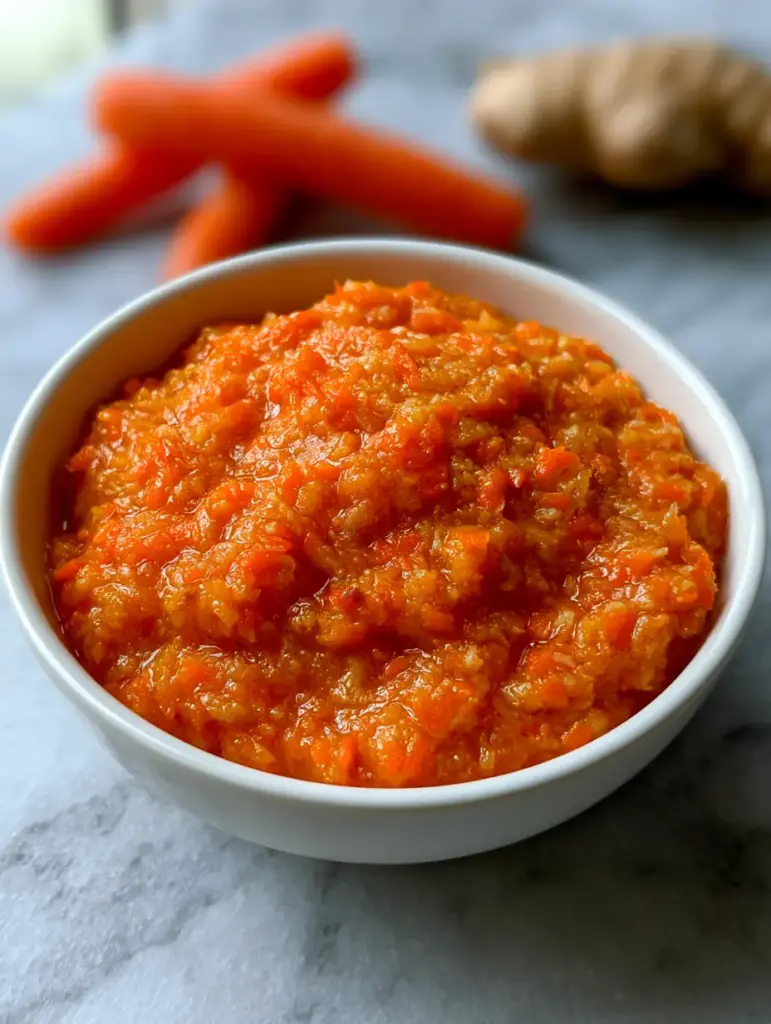
- Unmatched Texture: Unlike thin, bottled versions, this recipe yields a thick orange carrot pulp that clings beautifully to every leaf of lettuce.
- Freshness You Can See: The visible texture of minced carrots and fresh ginger bits ensures a rustic, authentic feel that processed dressings simply cannot replicate.
- Perfectly Balanced Umami: By controlling the ratio of soy sauce to rice vinegar, we create a bright acidity that cuts through the richness of a main course like savory beef and broccoli bowls.
- Natural Vibrancy: The brilliant orange hue comes entirely from fresh whole carrots, providing a stunning visual contrast when served in a clean white ceramic bowl.
Essential Aromatics for that Vibrant Orange Pulp
To achieve the signature look and flavor of hibachi ginger dressing, the quality of your base vegetables is paramount. We begin with 1 cup (125g) of roughly chopped whole carrots, which provide the bulk of the “pulp” and that iconic neon-orange color seen in professional kitchens.
Freshness is non-negotiable when it comes to the 2 tbsp (30g) of fresh ginger root required for this recipe. You will want to look for knobby ginger with smooth, taut skin, as this indicates the root is juicy and hasn’t become overly fibrous, which can lead to a “woody” texture in the final sauce.
We also utilize 1/2 cup (80g) of chopped yellow onion to provide a savory backbone and natural sweetness. When these three aromatics—carrots, ginger, and onion—are blitzed together, they form a thick, cellular base that holds the liquid ingredients in a stable suspension.
For the liquid elements, 1/2 cup (120ml) of rice vinegar provides the necessary tang, while 2 tbsp (30ml) of soy sauce adds depth and salt. To mimic the “slight sheen” described in our visual blueprint, we finish the dressing with 1 tsp (5ml) of toasted sesame oil and 1/2 cup (120ml) of neutral oil, such as grapeseed or canola oil.
Necessary Tools for a Restaurant-Quality Emulsion
Achieving the perfect consistency for your hibachi ginger dressing requires a high-speed blender or a robust food processor. A blender will create a smoother, more unified sauce, whereas a food processor is ideal if you prefer a more pronounced, “chunky” pulp texture with visible minced bits.
You will also need a sharp chef’s knife and a sturdy cutting board to prep your carrots and ginger. While the machine does the heavy lifting, roughly chopping the vegetables first ensures they break down evenly without leaving large, unappealing chunks in your small white ceramic bowl.
A microplane or fine grater is an optional but helpful tool if you want to add extra-fine ginger bits at the end for an enhanced aromatic punch. Finally, ensure you have a clean glass jar for storage, as the flavors in this dressing continue to develop and meld after a few hours of refrigeration.
How to Master the Perfect Hibachi Ginger Dressing Texture
Prepping the Foundations
Begin by peeling your whole carrots and fresh ginger root. While some recipes suggest leaving the skin on for nutrients, peeling the carrots is essential for achieving that clean, vibrant orange color that looks so striking against a light gray marble countertop.
Roughly chop the carrots, ginger, and onion into 1-inch (2.5cm) pieces. This size allows the blades of your food processor to catch the vegetables easily, ensuring a consistent grind rather than a mix of puree and whole chunks.
The Controlled Pulse Method
Add the carrots, ginger, and onion to your blender or food processor. Pulse the machine 5-10 times until the vegetables are broken down into a fine, granular consistency. You are looking for a texture that resembles coarse sand before adding any liquids.
At this stage, the smell should be incredibly pungent and bright. This is the “minced ginger bits” stage—take care not to over-process yet if you want to maintain that rustic, handmade aesthetic described in our visual blueprint.
Building the Emulsion
Add the rice vinegar, soy sauce, 2 tbsp (25g) of granulated sugar (or honey), and 1 tbsp (15g) of tomato paste. The tomato paste is a secret ingredient used by many chefs to deepen the orange color and provide a subtle, invisible layer of umami that ties the vegetables together.
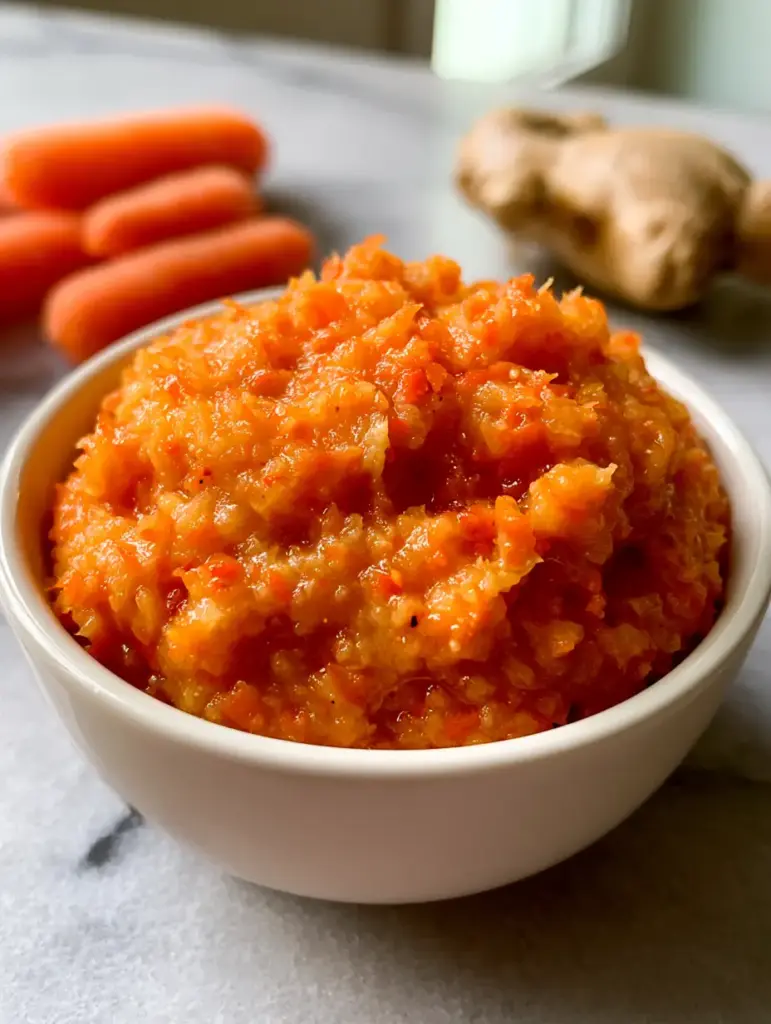
With the motor running on low, slowly stream in the neutral oil and the toasted sesame oil. As the oil incorporates, you will see the dressing transition from a dry mash to a glossy, cohesive sauce with a slight sheen of sesame oil droplets on the surface.
Pro-Level Secrets for a Balanced Umami Profile
One of the most common mistakes when making hibachi ginger dressing at home is an over-reliance on ginger, which can lead to a “spicy” or bitter aftertaste. To balance this, we use sugar or honey to mellow the sharpness of the raw aromatics and the acidity of the vinegar.
Another “invisible” ingredient that elevates this recipe is a pinch of celery salt or a small amount of minced celery. This adds a salty, herbal note that replicates the complex flavor profile found in high-end teppanyaki houses.
If your dressing feels too thick, resist the urge to add more oil. Instead, add 1 tbsp (15ml) of water at a time until the desired consistency is reached. The goal is a dressing that is thick enough to hold its shape on a spoon but thin enough to pour easily over a salad.
Preservation Guide for Your Homemade Sauce
This hibachi ginger dressing is a raw vegetable sauce, meaning its peak flavor is reached about 2-4 hours after blending once the onion and ginger have had time to mellow. Store the dressing in an airtight glass container in the refrigerator for up to 7 days.
Note that because this is a natural emulsion, some separation may occur over time. Simply give the jar a vigorous shake before serving to redistribute the carrot pulp and the sesame oil sheen. We do not recommend freezing this dressing, as the cellular structure of the raw carrots will break down upon thawing, resulting in a watery, broken texture.
The Best Japanese-Inspired Pairings
While this dressing is famous for its role on iceberg lettuce, its versatility extends much further. It makes an excellent marinade for seafood, such as caramelized brown sugar salmon, where the ginger cuts through the fattiness of the fish.
You can also serve it alongside grilled proteins like shrimp and sausage kabobs for a fusion twist on a summer barbecue. The bright orange hue looks beautiful when drizzled over a bowl of authentic chow mein or served as a dipping sauce for tempura vegetables.
For a complete steakhouse experience at home, pair this salad with a hearty main dish like succulent roast beef tenderloin and a side of hibachi-style fried rice. The acidity of the dressing acts as a palate cleanser between bites of rich, savory meat.
Frequently Asked Questions
While ginger juice provides flavor, it lacks the ‘minced ginger bits’ that provide the signature pulpy texture. For an authentic hibachi result, fresh ginger root is highly recommended.
Because it is made with fresh, raw vegetables, it is best consumed within 7 days. Always store it in an airtight glass jar and shake well before using.
To make this recipe gluten-free, substitute the soy sauce with tamari or coconut aminos. The recipe is naturally vegan as long as you use sugar or agave instead of honey.
The vibrant orange color comes primarily from fresh, whole carrots that are blended into a thick pulp. Many restaurants also add a small amount of tomato paste to deepen the hue and add umami.
If the dressing is too sharp, it is likely due to the raw ginger and onion. Let the dressing rest in the fridge for a few hours to mellow, or add a teaspoon more of sugar to balance the heat.
The Ultimate Homemade Hibachi Ginger Dressing Recipe
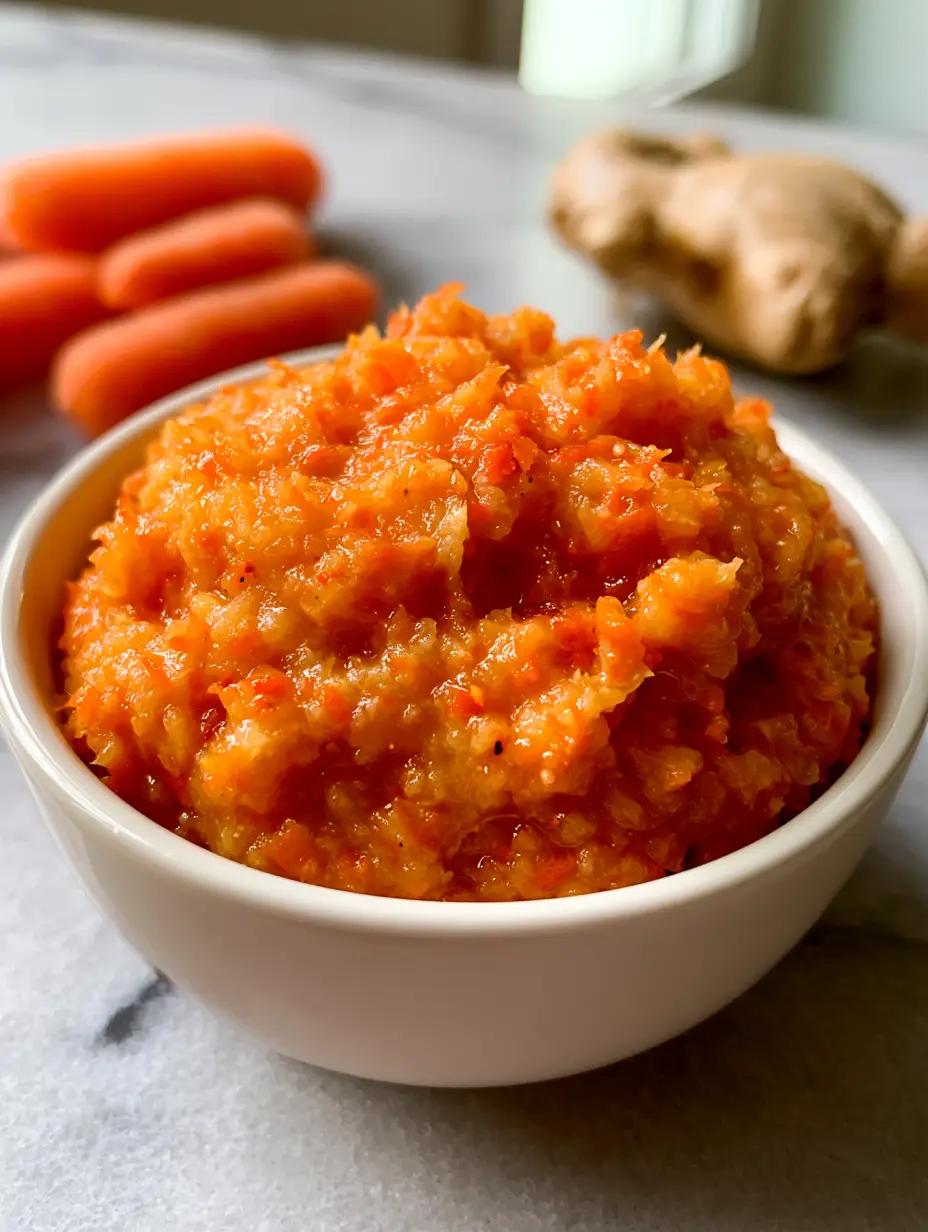
Hibachi Ginger Dressing: The Ultimate Japanese Steakhouse Secret
Ingredients
Equipment
Method
- Peel the carrots and ginger root. Roughly chop the carrots, yellow onion, and ginger into 1-inch pieces to ensure even processing.
- Place the carrots, onion, and ginger into the blender. Pulse until they form a fine, pulpy texture with visible minced bits.
- Add the rice vinegar, soy sauce, sugar, tomato paste, and salt. Blend on medium speed until combined.
- While the blender is running on low, slowly stream in the neutral oil and toasted sesame oil until the dressing is glossy and emulsified with a slight sheen.
- Transfer the dressing to a glass jar. Let it rest in the refrigerator for at least 2 hours to allow the pungent ginger and onion flavors to mellow and harmonize.
Notes
The tomato paste is optional but provides the authentic orange color and a subtle umami boost.
Bring the Steakhouse Home Today!
There is something magical about the combination of zingy ginger and sweet carrots that makes hibachi ginger dressing a perennial favorite. By following this guide, you have mastered the art of the restaurant-style emulsion, complete with the pulpy texture and sesame sheen that defines the teppanyaki experience.
If you enjoyed this recipe, we would love to hear from you! Leave a comment below and tell us how your dressing turned out. Don’t forget to share your creations with us on Pinterest and follow thewholesomeskillet for more kitchen-tested recipes that bring the world’s best flavors to your home table.