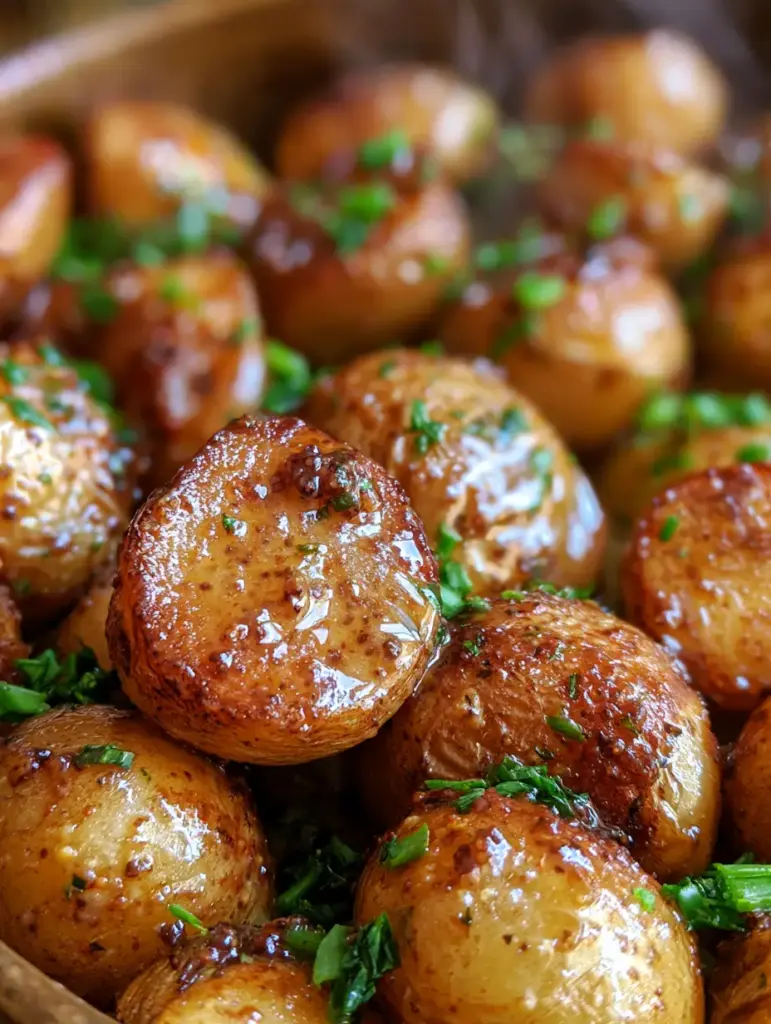
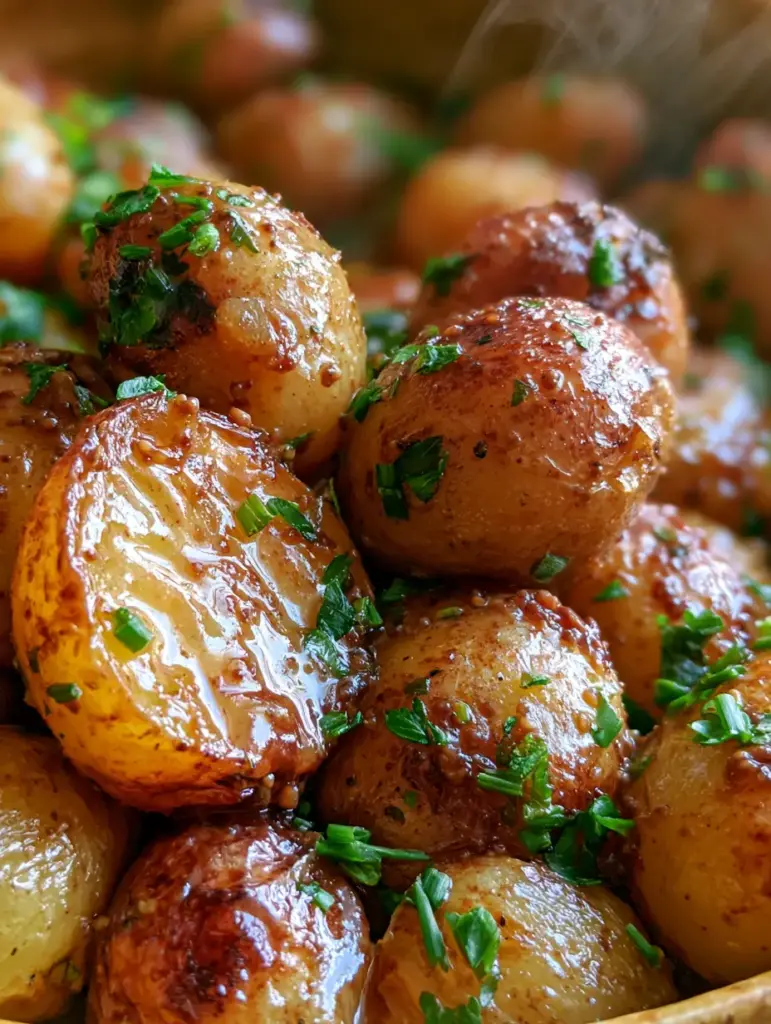
There is something inherently comforting about a rustic bowl of roasted baby potatoes, their golden-brown skins shimmering under a warm kitchen light. Imagine pulling a sheet pan out of the oven, the air filling with the scent of toasted mustard seeds and melting butter, while a gentle hint of steam rises from each perfectly charred morsel. This isn’t just a side dish; it’s a sensory experience that combines the crunch of a high-heat sear with the creamy, buttery interior of a premium spud.
To achieve the visual perfection seen in professional culinary photography—that glistening, thick, tangy glaze reflecting the light—we focus on the marriage of high-quality fats and acidity. By using whole grain mustard, we don’t just add flavor; we add a beautiful, beaded texture that clings to the crags and crevices of the crispy potato skins. Whether you are hosting a formal dinner or a casual Sunday roast, these potatoes are designed to be the star of the table, garnished generously with the bright, electric green of fresh chives and parsley.
Why These Zesty Potatoes Will Change Your Side Dish Game
- The Ultimate Texture Contrast: By roasting at a high temperature, we achieve a shatteringly crisp exterior while maintaining a fluffiness that rivals tender roasted potatoes found in high-end bistros.
- Visual Glisten: The mustard butter glaze is emulsified to ensure it coats every millimeter of the potato, creating a photo-ready sheen that looks as good as it tastes.
- Aromatic Herb Finish: The combination of finely chopped chives and parsley provides a fresh, grassy counterpoint to the rich, savory char of the roasted skin.
- Effortless Sophistication: Using baby potatoes means no tedious peeling is required, preserving the nutrients in the skin and providing a rustic, handheld appeal.
The Anatomy of a Perfect Roast: Essential Ingredients
Baby Potatoes (Yukon Gold or Red): 1.5 lbs (680g). Smaller potatoes have a higher skin-to-flesh ratio, which is the secret to maximizing that golden-brown crunch. Yukon Golds offer a natural buttery flavor, while Red Bliss potatoes hold their shape beautifully during high-heat roasting.
Extra Virgin Olive Oil: 2 tbsp (30ml). This is our foundational fat, chosen for its high smoke point and ability to conduct heat evenly across the potato’s surface to initiate the Maillard reaction.
Unsalted Butter: 3 tbsp (45g). We use butter for the glaze to provide a rich, velvety mouthfeel that oil alone cannot achieve. It helps the mustard seeds adhere to the skin.
Whole Grain Mustard: 2 tbsp (30g). This is the “hero” ingredient that provides the visual “beads” and a tangy, sophisticated punch that cuts through the starchiness of the potato.
Fresh Chives & Parsley: 2 tbsp (10g) each, finely chopped. These must be fresh. Dried herbs will not provide the vibrant green specks or the aromatic lift required for the final presentation.
Kosher Salt & Freshly Cracked Black Pepper: To taste. Salt is scientifically essential to draw out moisture from the skin, allowing it to crisp rather than steam.
Garlic Powder: 1 tsp (5g). An invisible but vital ingredient that adds a layer of umami without the risk of burning fresh garlic bits in a 425°F (220°C) oven.
Tools for Achieving Professional Results
To replicate the handheld smartphone photo aesthetic of perfectly charred potatoes, you need the right conductivity. A heavy-duty rimmed baking sheet is non-negotiable; thin pans warp and cause uneven browning. A sharp chef’s knife is required for the finely chopped herbs to prevent bruising the delicate leaves. Finally, a large stainless steel mixing bowl is necessary for “tossing” the potatoes, which ensures the mustard glaze is applied liberally and evenly rather than just drizzled on top.
Mastering the Roast: Step-by-Step Instructions
Phase 1: Preparation and Initial Sear
Preheat your oven to 425°F (220°C). This high temperature is critical for immediate moisture evaporation. Wash your baby potatoes thoroughly and, most importantly, pat them bone-dry with a kitchen towel. Any residual water will create steam, preventing the skin from reaching that golden-brown, crispy state described in our visual blueprint.
Halve the potatoes to expose the starchy interior. In a large bowl, toss them with the olive oil, kosher salt, pepper, and garlic powder. Arrange them cut-side down on the baking sheet. This direct contact with the hot metal creates a deep, savory crust that is the hallmark of a professional roast.
Phase 2: The First Roast
Slide the tray into the center rack and roast for 20-25 minutes. You are looking for a specific sensory cue: the skins should start to pucker and turn a light tan, while the cut sides should be visibly golden. If you listen closely, you should hear a light sizzling sound as the natural sugars in the potato caramelize.
Phase 3: Crafting the Tangy Mustard Glaze
While the potatoes take their first bath in the heat, melt the butter in a small saucepan or microwave-safe dish. Whisk in the whole grain mustard until the mixture is thick and emulsified. The mustard seeds should be suspended evenly in the golden butter. This glaze is what will provide the “glistening” effect seen in our Midjourney prompt.
Phase 4: The Glaze Application & Final Char
Remove the potatoes from the oven. Pour the mustard butter glaze over the hot potatoes and use a spatula to toss them directly on the tray (or back in the bowl if you prefer). Ensure every potato is liberally coated. Return them to the oven for another 10-15 minutes. Watch for the visual descriptor of “visible charring”—the edges of the mustard seeds and the potato skins should have small spots of dark, flavorful caramelization.
Phase 5: The Herb Finish
Immediately upon removing the tray from the oven, while the butter glaze is still bubbling, sprinkle the finely chopped chives and parsley. The residual heat will wake up the oils in the herbs, releasing a fresh aroma without wilting them into brown specks. The bright green against the charred gold is the “final bridge” to visual perfection.
Expert Tips for Success
- Don’t Overcrowd the Pan: If the potatoes are too close together, they will trap steam. Give each baby potato at least a half-inch of breathing room for maximum air circulation.
- The “Dryness” Factor: If your potatoes are even slightly damp when they hit the oil, they will never get that crispy skin. Use a salad spinner or let them air dry for 30 minutes if you have time.
- Temperature Control: If your oven runs cool, don’t be afraid to crank it to 450°F (230°C). Potatoes are sturdy and can handle the heat to achieve that handheld photo-ready char.
- Mustard Selection: Avoid “Dijon” for the glaze if you want the visual seeds. You specifically need “Whole Grain” or “Old Style” mustard to get the textured look of the blueprint.
Storage, Reheating, and Make-Ahead Advice
These roasted baby potatoes are best served immediately to enjoy the contrast between the hot, crispy skin and the cool, fresh herbs. However, if you have leftovers, store them in an airtight container in the refrigerator for up to 4 days. To reheat, avoid the microwave, which will turn the skins rubbery. Instead, place them back on a baking sheet at 400°F (200°C) for 10 minutes until the glaze begins to glisten again.
While you can’t freeze these without losing the structural integrity of the glaze, you can prep the potatoes by halving them and keeping them in cold water for up to 12 hours before roasting. Just ensure they are dried perfectly before you begin the cooking process.
What to Serve With These Mustard-Glazed Gems
These potatoes are incredibly versatile. For a complete sheet pan meal, they pair beautifully alongside a sausage and green bean bake. If you’re looking for a decadent dinner, serve them as a side to a creamy Marry Me chicken to soak up that extra sauce. For those who love a variety of roasted textures, try serving them with crispy roasted Brussels sprouts.
If you’re hosting a brunch, these savory potatoes balance well with a savory stuffed French toast, providing a salty, tangy counterpoint to the richer breakfast flavors. No matter the main course, the vibrant colors and rustic presentation make this side dish a universal crowd-pleaser.
Frequently Asked Questions
You can, but you will lose the distinct visual texture of the mustard seeds. Dijon is also sharper, so you might need to add a pinch of honey to balance the acidity.
No, the thin skin of baby potatoes is ideal for roasting. It provides a wonderful texture and holds the mustard butter glaze much better than the starchy interior.
To maintain the crispy skin, reheat them in an oven or air fryer at 400°F for 5-10 minutes. Avoid the microwave as it will make them soft and soggy.
Yukon Gold baby potatoes are the best choice due to their naturally buttery flavor and creamy texture, though Red Bliss potatoes are a great second choice for holding their shape.
The most common culprit is moisture. If the potatoes aren’t dried thoroughly after washing, they will steam instead of roast. Additionally, ensure your oven is at least 425°F and the pan isn’t overcrowded.
The Ultimate Roasted Baby Potatoes Recipe
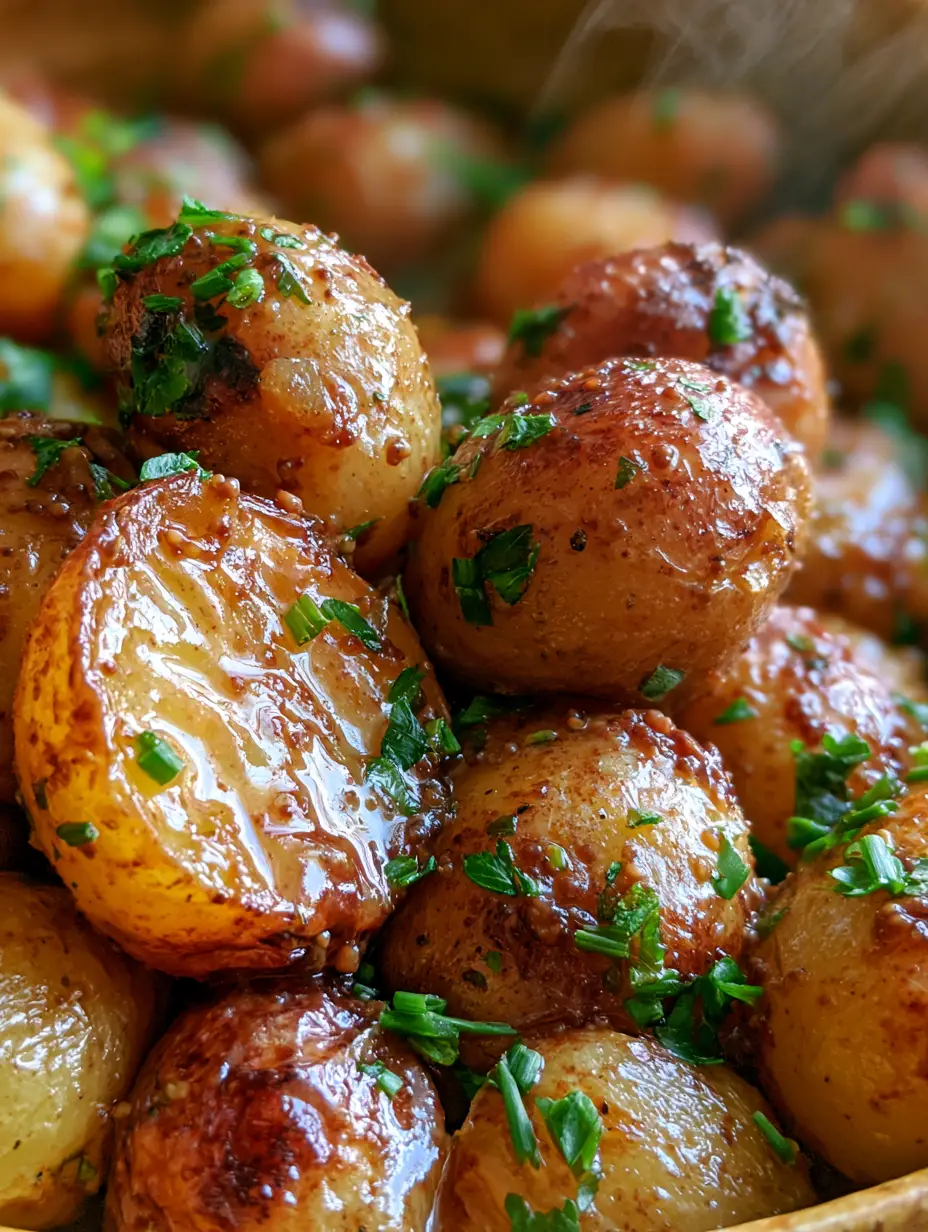
Roasted Baby Potatoes with a Zesty Whole Grain Mustard Butter Glaze
Ingredients
Equipment
Method
- Preheat oven to 425°F (220°C). Wash baby potatoes and pat them completely dry with a towel.
- Halve the potatoes and toss with olive oil, salt, pepper, and garlic powder in a large bowl.
- Place potatoes cut-side down on a baking sheet and roast for 20-25 minutes until golden.
- Whisk melted butter and mustard. Toss potatoes in the glaze and roast for another 10-15 minutes until charred.
- Remove from oven and immediately toss with fresh chives and parsley while the glaze is hot.
Notes
Use whole grain mustard rather than Dijon for the best visual texture.
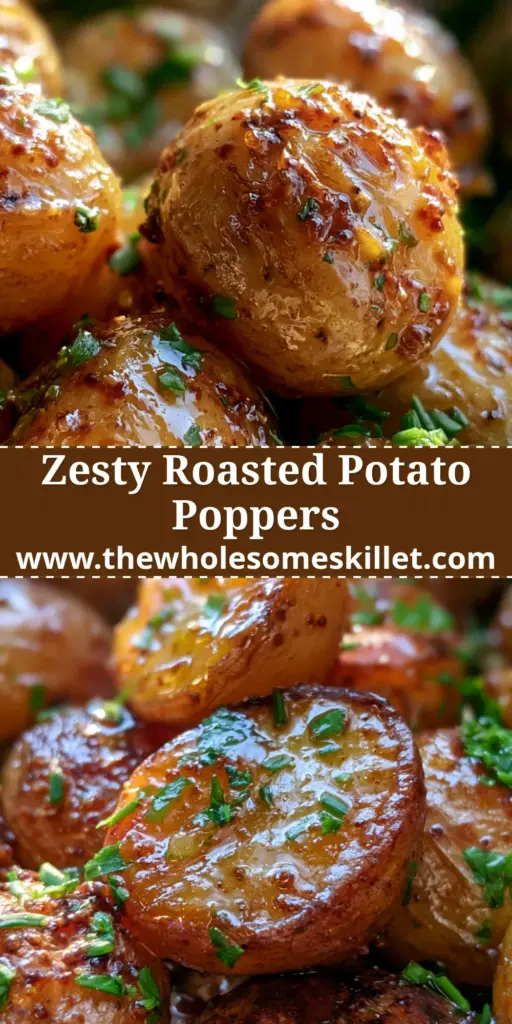
Closing Thoughts and Join Our Community
Mastering the art of roasted baby potatoes is a foundational skill for any home cook. The combination of high-heat roasting and a punchy mustard glaze elevates a simple root vegetable into a gourmet side dish. If you enjoyed the visual textures and bold flavors of this recipe, please leave a comment below and let us know how yours turned out!
Don’t forget to follow us on Pinterest for more culinary inspiration and visual recipe blueprints. Sharing this recipe with your friends helps us continue to develop these deep-dive culinary guides. Happy roasting!